
LPG Soft
25th Nov 2026
How Can LPG Distributors Monitor Cylinder Usage and Refill Cycles?
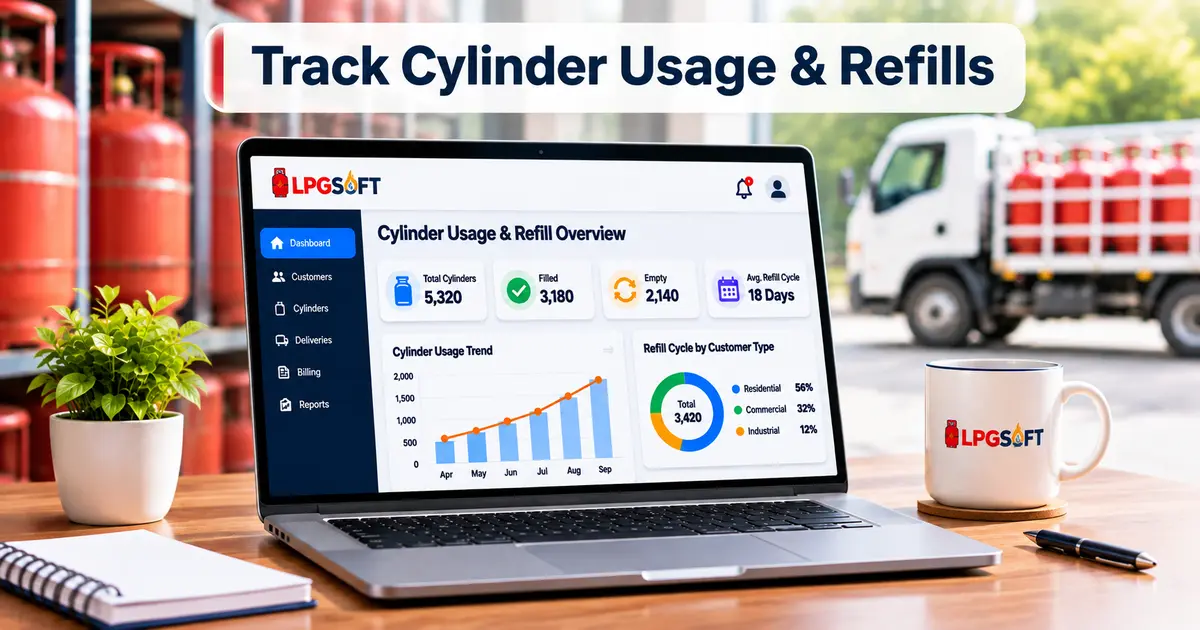
LPG distributors can monitor cylinder usage by maintaining customer-wise delivery records, tracking refill dates, recording empty cylinder returns, and reviewing previous transactions. LPG management software helps organize this information, identify refill patterns, monitor cylinder movements, and support more informed inventory and delivery planning.
Introduction
When a customer requests an LPG refill, the delivery is only one part of the transaction. Behind that delivery is information that matters to the distributor: when the customer received the previous cylinder, how many cylinders were supplied, whether empty cylinders were returned, and how frequently the customer places another order.
For LPG agencies handling hundreds or thousands of customers, remembering these details or searching through individual registers can become difficult.
The challenge is not simply keeping track of cylinders. It is understanding how cylinders move between the agency and its customers and using previous delivery records to make better operational decisions.
This is where cylinder usage monitoring and refill cycle tracking become important.
Let's explore how LPG distributors can manage this process effectively.
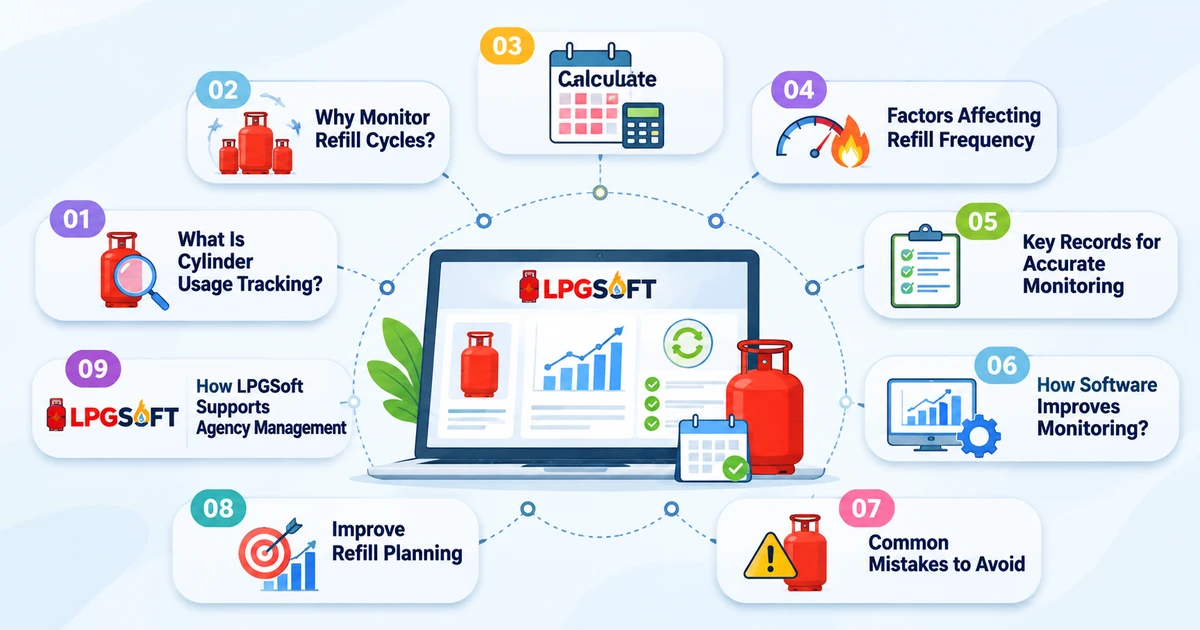
1. What Is LPG Cylinder Usage Tracking?
LPG cylinder usage tracking is the process of maintaining and reviewing records of cylinder deliveries, customer refill transactions, cylinder returns, and related inventory movements.
It helps distributors understand how frequently customers receive cylinders and how many cylinders are circulating through their distribution operations.
For example, a gas agency may have residential customers who generally request one cylinder at a time and commercial customers who require multiple cylinders for their daily operations.
Tracking these activities separately gives distributors a clearer understanding of customer requirements.
Key information involved in cylinder usage tracking:
- Customer identification and account details.
- Cylinder type and quantity supplied.
- Previous and latest delivery dates.
- Filled and empty cylinder movements.
- Customer-wise transaction history.
- Outstanding cylinder records.
These details create a useful history of cylinder distribution and customer refill activity.
2. Why Should LPG Distributors Monitor Cylinder Refill Cycles?
A refill cycle provides information about the time between two recorded cylinder deliveries to the same customer.
Monitoring these intervals helps distributors understand customer activity instead of relying entirely on assumptions.
Understand customer consumption patterns
Different customers have different LPG requirements.
A household, restaurant, hotel, and commercial kitchen may have significantly different refill frequencies.
Reviewing previous delivery records helps distributors understand these differences and organize customer requirements accordingly.
Identify changes in refill frequency
Suppose a restaurant regularly receives cylinders every 12–15 days, but its latest refill request comes after 25 days.
This change may be related to reduced business activity, seasonal demand, operational changes, or a change in supplier.
Reviewing the transaction history can help the agency identify such changes and follow up when necessary.
Improve inventory planning
Historical delivery information provides useful insights into customer demand.
When distributors understand how frequently different customer groups request refills, they can make more informed stock-planning decisions.
Maintain better customer service
When a customer asks about a previous delivery or refill transaction, employees can refer to the available records instead of searching through multiple registers.
This improves access to information and makes customer communication easier.
3. How Can LPG Distributors Calculate Cylinder Refill Cycles?
Distributors can estimate refill intervals by comparing the dates of consecutive recorded deliveries.
Formula:
Average Refill Interval = Total Days Between Consecutive Deliveries ÷ Number of Intervals
Practical example
Consider an LPG distributor reviewing the delivery history of a commercial customer.
| Delivery | Date |
|---|---|
| First delivery | 1 September |
| Second delivery | 16 September |
| Third delivery | 1 October |
| Fourth delivery | 18 October |
The recorded refill intervals are:
- 1 September to 16 September: 15 days.
- 16 September to 1 October: 15 days.
- 1 October to 18 October: 17 days.
Average refill interval:
(15 + 15 + 17) ÷ 3 = 15.67 days.
The customer's average recorded delivery interval is approximately 16 days.
Distributors can use this information as a reference when reviewing customer refill activity.
Important: This calculation measures the interval between deliveries, not the exact amount of LPG consumed. Actual consumption depends on usage levels, cylinder capacity, operating conditions, and other factors.
4. What Factors Affect LPG Cylinder Refill Frequency?
Not every LPG customer follows the same refill schedule. Several factors influence how frequently a customer requests a new cylinder.
| Factor | Effect on refill frequency |
|---|---|
| Customer category | Residential and commercial customers have different usage requirements |
| Daily consumption | Higher daily usage may result in more frequent refills |
| Cylinder capacity | Different cylinder sizes provide different quantities of LPG |
| Business activity | Restaurants and hotels may experience changing demand |
| Seasonal requirements | Demand may increase or decrease during certain periods |
| Operating hours | Businesses operating longer hours may require more LPG |
Understanding these factors helps distributors interpret refill records more accurately.
A customer with a longer refill interval does not necessarily have lower business activity, and a shorter interval does not always indicate an inventory problem.
5. What Records Should Gas Agencies Maintain for Accurate Refill Monitoring?
Accurate monitoring starts with complete transaction records.
Instead of maintaining only delivery dates, distributors should organize information that helps them understand the complete customer transaction.
Customer delivery history
Record the date, cylinder quantity, cylinder category, and delivery status for each transaction.
Cylinder return records
Maintain information about empty cylinders received from customers and any outstanding returns.
Customer transaction history
Keep previous bookings, billing details, and delivery records accessible for reference.
Stock movement information
Record cylinder receipts, dispatches, returns, and available stock.
Sales and refill reports
Review transaction activity over daily and monthly periods to identify changes in customer demand.
Together, these records help distributors understand both customer activity and cylinder circulation.
6. How Does LPG Management Software Improve Cylinder Usage Monitoring?
As customer numbers and daily transactions increase, maintaining refill records manually can become time-consuming.
LPG management software helps bring important business records into a centralized system.
Here is how different software capabilities support the process.
Customer Management
Organized customer records make it easier to access account details and review previous transactions.
Distributors can use customer information to understand individual delivery requirements.
Inventory Management
Filled and empty cylinder records help agencies monitor stock availability and cylinder movements.
Maintaining updated inventory information also supports stock reconciliation.
Delivery Management
Delivery records help employees review dispatched orders and delivery status.
This provides useful information when checking customer delivery history.
Billing and Transaction Records
Customer-wise billing and transaction history help agencies review previous orders and related payments.
Employees can access relevant information when handling customer enquiries.
Sales and Stock Reports
Daily and monthly reports provide an overview of sales activity and stock information.
Distributors can review these reports to understand business performance and make better operational decisions.
The usefulness of these features depends on accurate transaction entry and consistent record updates.
7. What Are the Common Mistakes in LPG Refill Cycle Monitoring?
Even when distributors maintain delivery records, certain mistakes can affect the accuracy of their monitoring process.
1. Recording delivery dates without customer identification
Without customer-wise records, comparing previous refill intervals becomes difficult.
2. Not updating empty cylinder returns
Missing return entries can create differences between recorded and physical cylinder stock.
3. Treating every customer as having the same refill frequency
A residential customer's usage pattern cannot be directly compared with that of a commercial kitchen.
4. Ignoring changes in delivery intervals
Changes in historical delivery patterns may contain useful information about customer activity.
5. Maintaining disconnected records
When billing, delivery, and stock information are maintained separately, reviewing complete transaction history becomes more difficult.
Avoiding these mistakes helps improve the consistency of customer and cylinder records.
8. How Can LPG Distributors Improve Refill Planning?
Monitoring historical refill activity is useful only when distributors apply the information to their daily operations.
The following practices can help:
- 1. Review customer-wise delivery history regularly.
- 2. Compare consecutive refill dates.
- 3. Identify changes in customer delivery frequency.
- 4. Maintain separate records for different customer categories.
- 5. Update cylinder dispatch and return information.
- 6. Review daily and monthly stock reports.
- 7. Use historical demand information when planning inventory.
- 8. Follow up with customers when delivery patterns require clarification.
These practices help agencies make decisions based on recorded business activity rather than assumptions.
How LPGSoft Supports LPG Agency Management
Managing customer transactions, cylinder inventory, billing, and deliveries requires accurate and accessible business records.
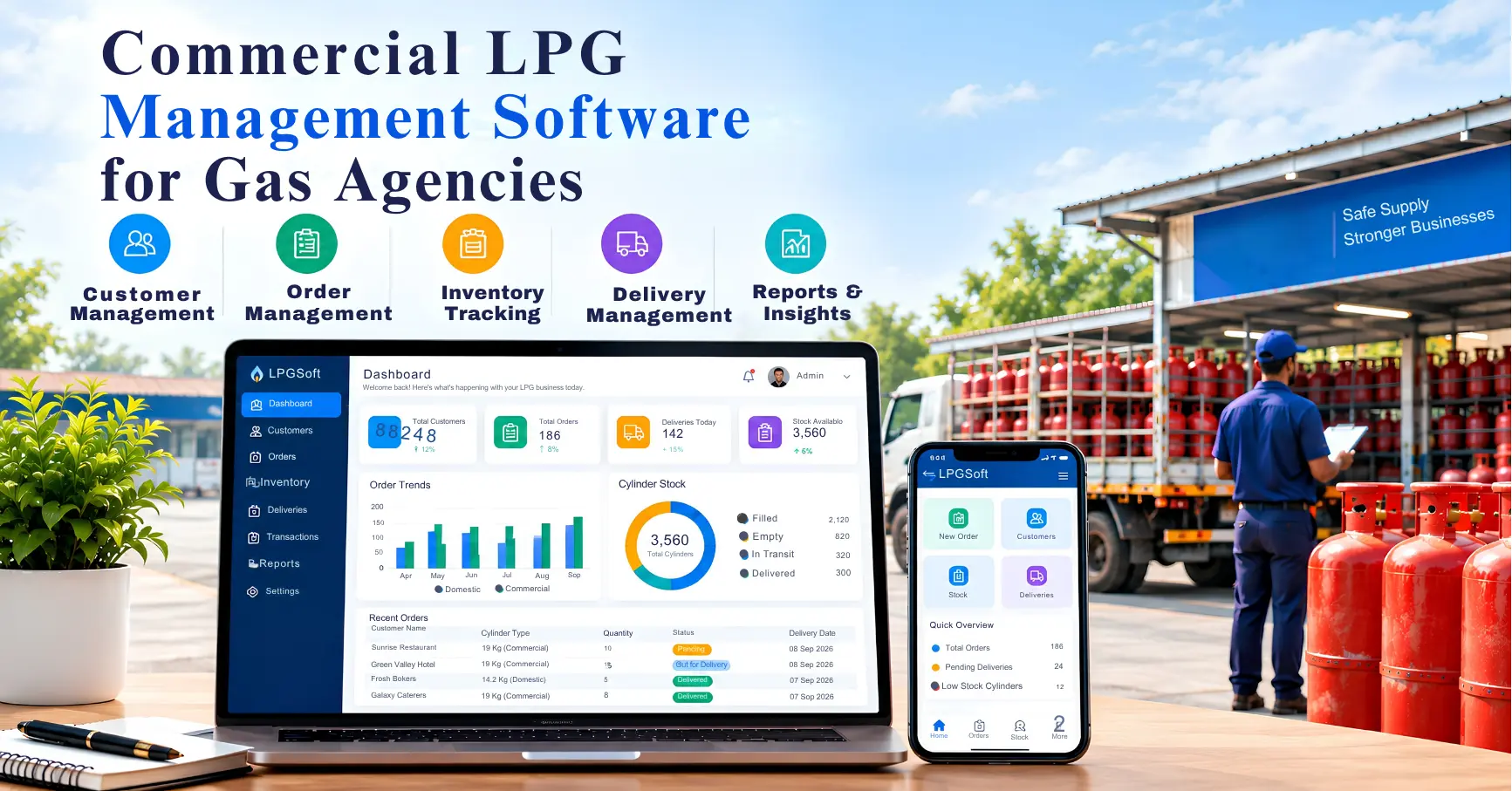
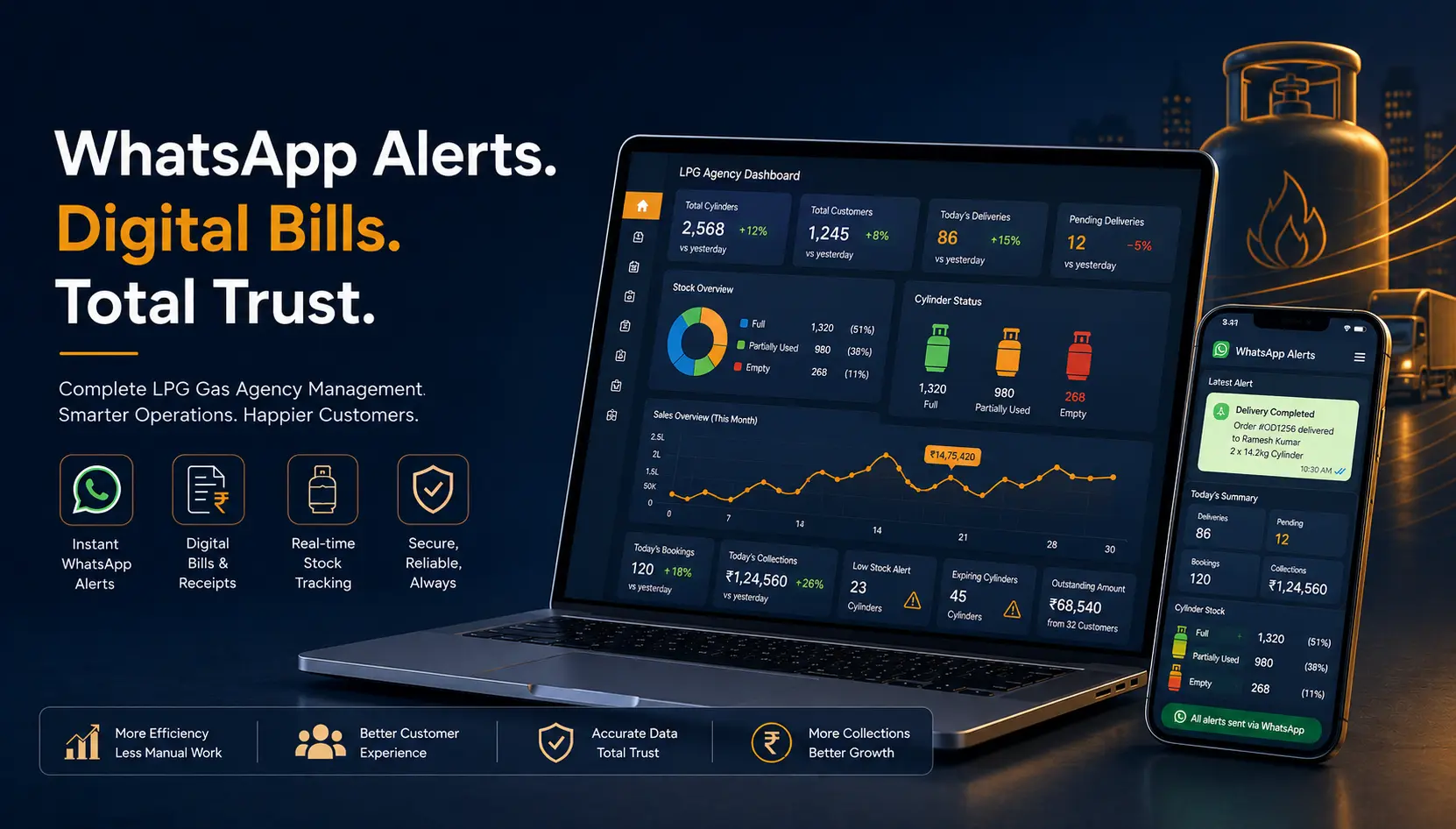
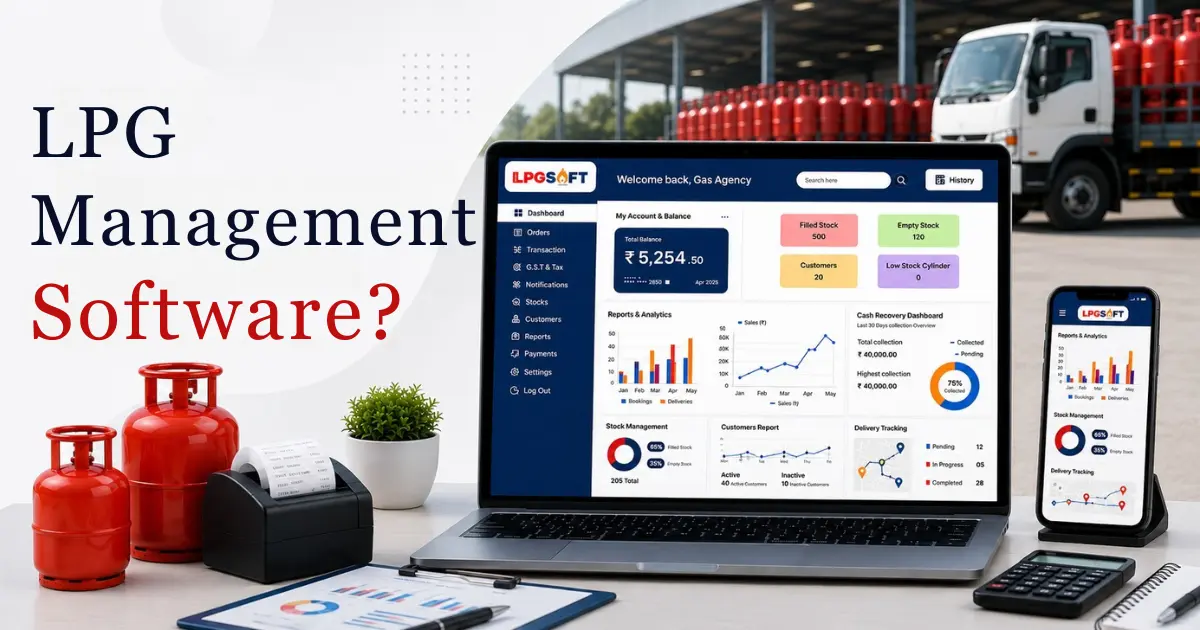
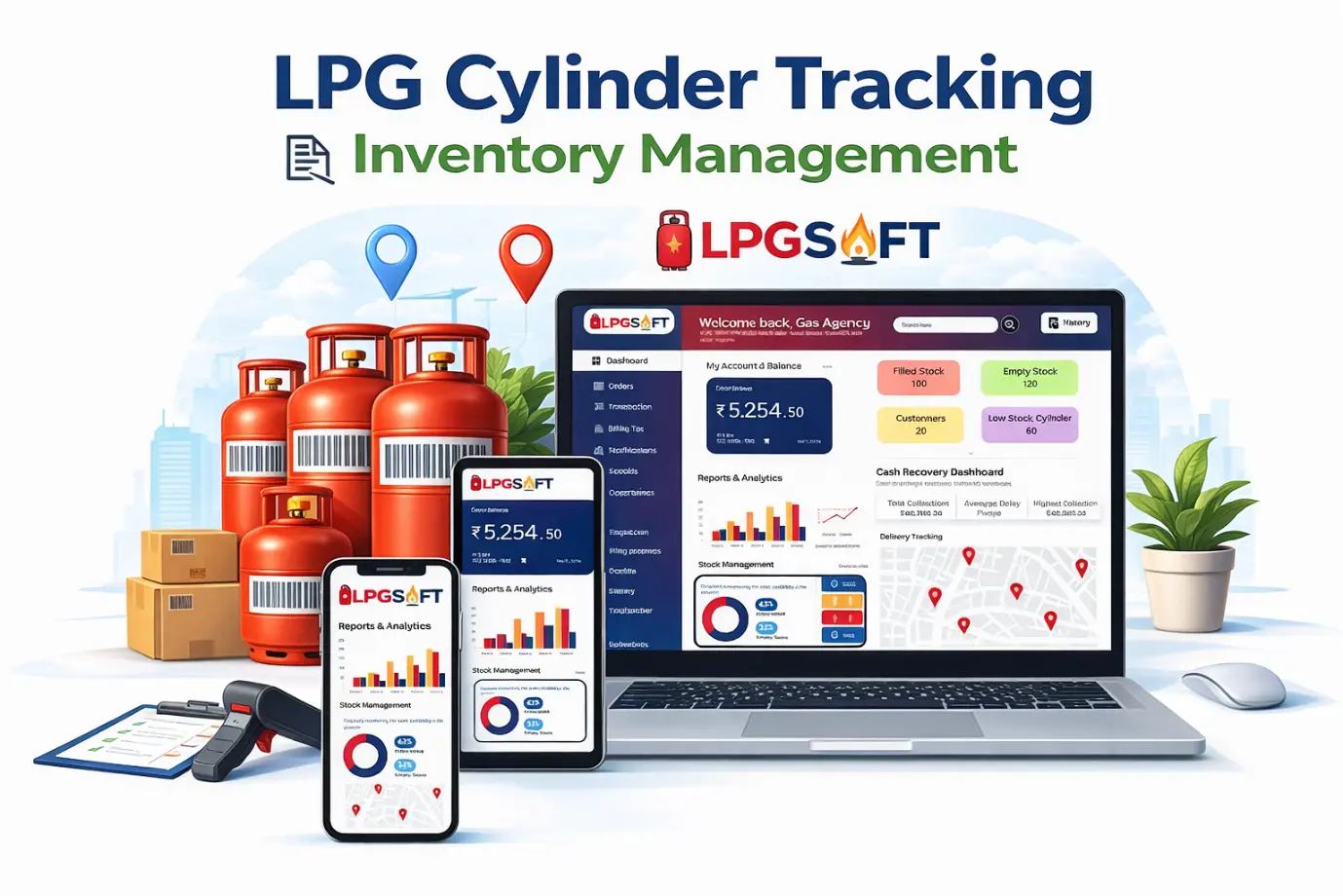
LPGSoft provides an LPG agency management solution designed to help distributors organize these activities through a centralized platform.
Its key capabilities include:
Customer Management: Maintain customer information and access relevant customer records.
Inventory Management: Monitor filled and empty cylinder stock and review stock movements.
Delivery Management: Organize delivery activities and manage daily delivery records.
Billing Management: Maintain customer billing transactions and generate invoices.
Sales and Stock Reports: Review daily and monthly business information through reports.
Conclusion
Effective cylinder usage and refill tracking help LPG distributors manage customer records, monitor deliveries, and plan stock efficiently. Simplify your LPG agency operations with LPGSoft. Manage customers, inventory, deliveries, billing, and reports in one place.
Explore LPGSoft today Looking to organize your LPG agency operations?
Explore LPGSoft and discover a better way to manage your gas distribution business.
FAQ’S
LPG distributors can monitor cylinder usage by recording customer-wise deliveries, tracking cylinder quantities, maintaining return records, and reviewing previous refill transactions.
An LPG cylinder refill cycle is the time between two consecutive recorded refill deliveries to a customer. It helps distributors understand historical delivery frequency.
Gas agencies can maintain customer-wise booking dates, delivery records, cylinder quantities, and transaction history using registers, spreadsheets, or LPG management software.
LPG management software can help maintain the customer delivery and transaction records needed to review refill intervals. Automatic refill-cycle calculation depends on the software's available functionality.
Cylinder tracking focuses on the movement and status of cylinders, including filled, empty, dispatched, and returned cylinders. Refill cycle tracking focuses on the time between a customer's recorded refill deliveries.
Customer-wise refill records help distributors understand previous delivery activity, respond to customer enquiries, identify changes in refill frequency, and support demand planning.