
LPG Soft
18th Nov 2026
Cylinder Delivery & Route Tracking Software for LPG Distributors
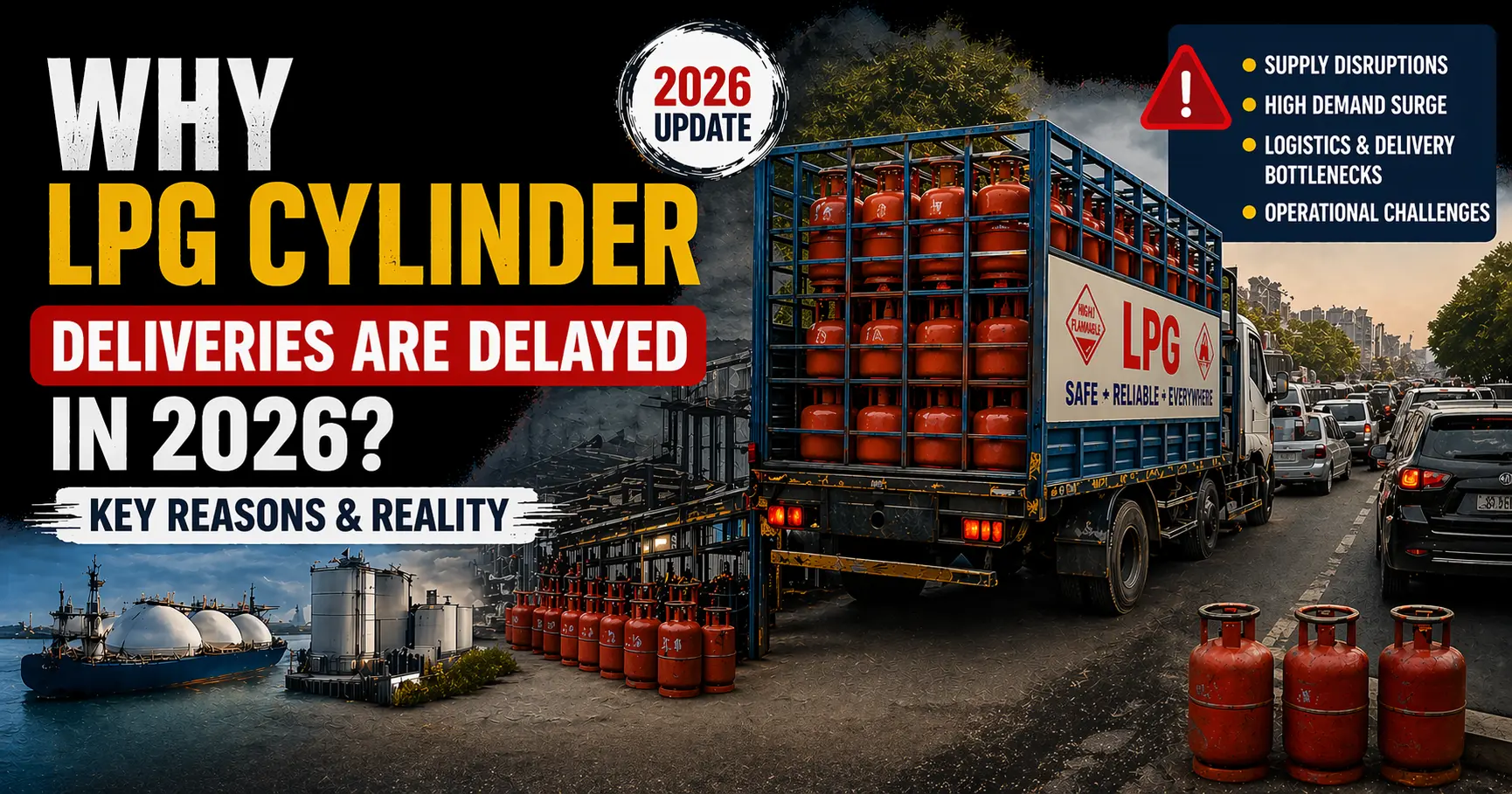
Managing an LPG distribution business involves more than supplying gas cylinders to customers. Gas distributors must monitor cylinder inventory, manage delivery schedules, track filled and empty cylinders, coordinate delivery staff, and ensure that cylinders are returned on time.
As distribution operations grow, managing these activities through paper registers and spreadsheets becomes increasingly difficult. Missing inventory records, delayed deliveries, unreturned cylinders, and inaccurate stock updates can affect business performance.
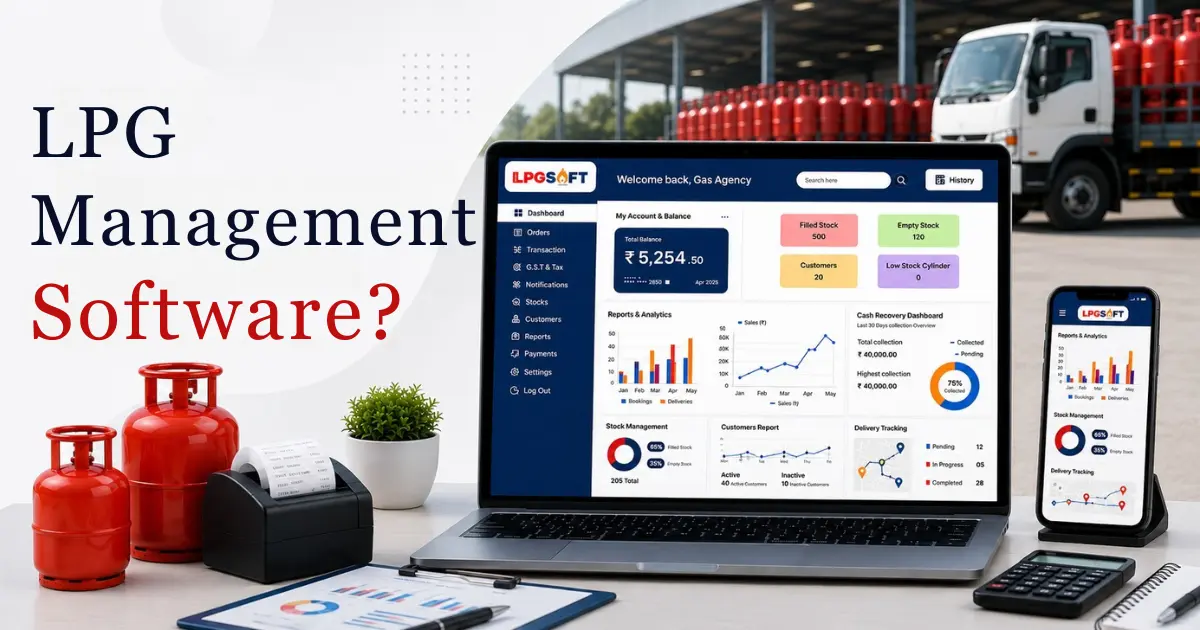
This is where LPG management software becomes useful. It helps gas distributors organize cylinder inventory, manage delivery operations, monitor customer transactions, and maintain better control over their cylinder fleets.
But what software manages cylinder delivery and route tracking? How do distributors reduce lost cylinders and monitor refill cycles?
Let's explore how modern LPG software helps solve these challenges.
What Software Manages Cylinder Delivery and Route Tracking?
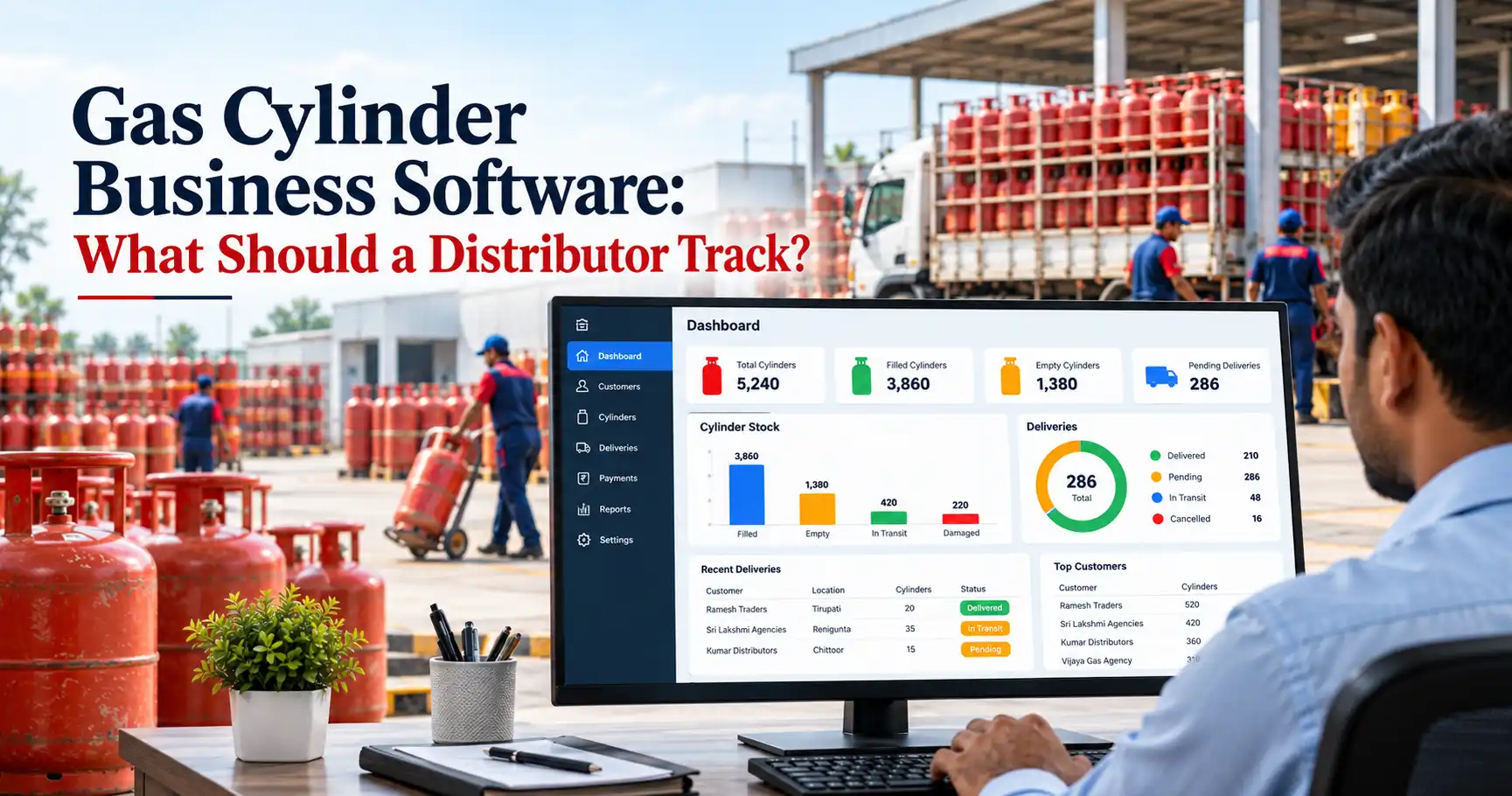
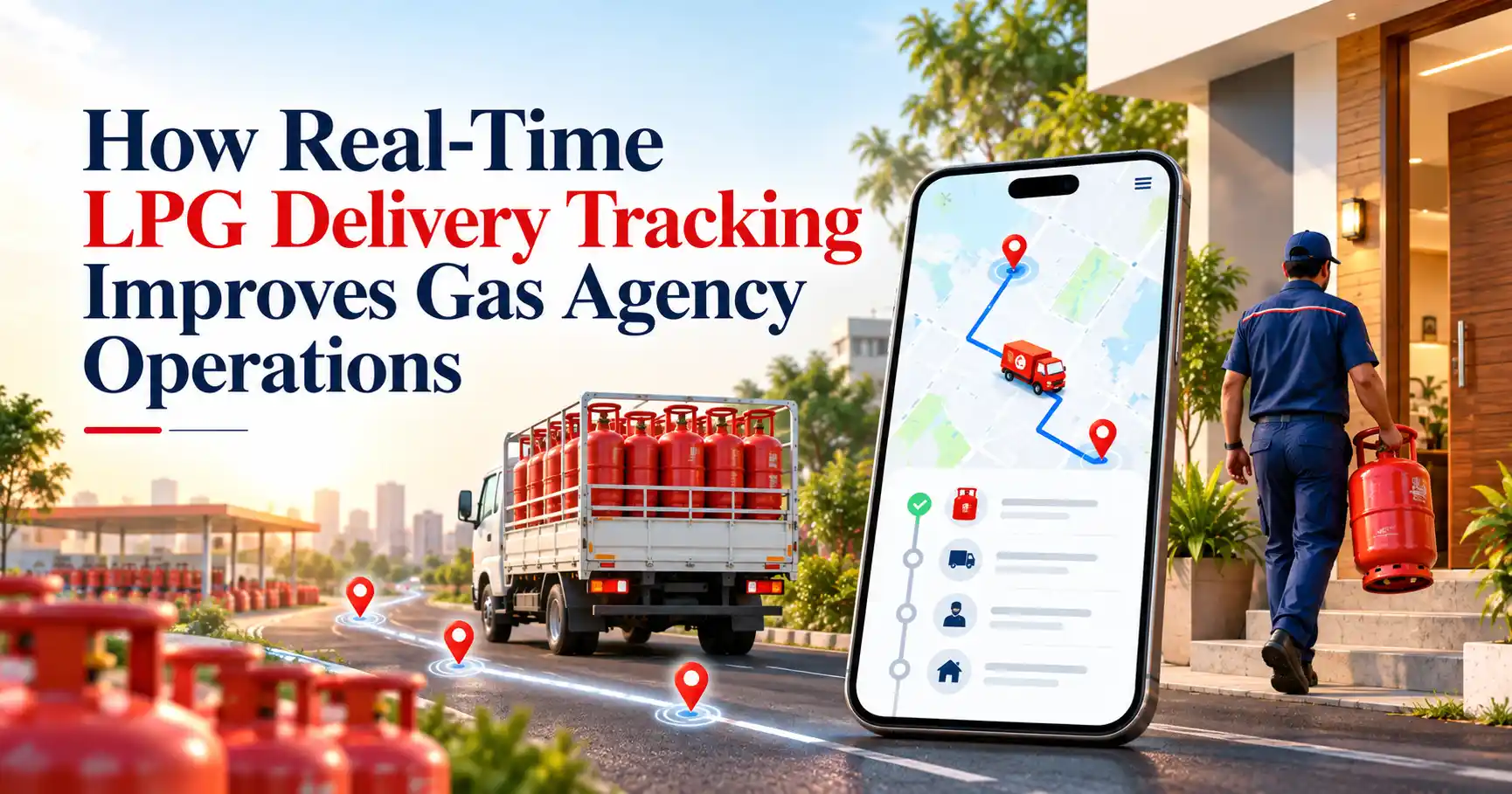
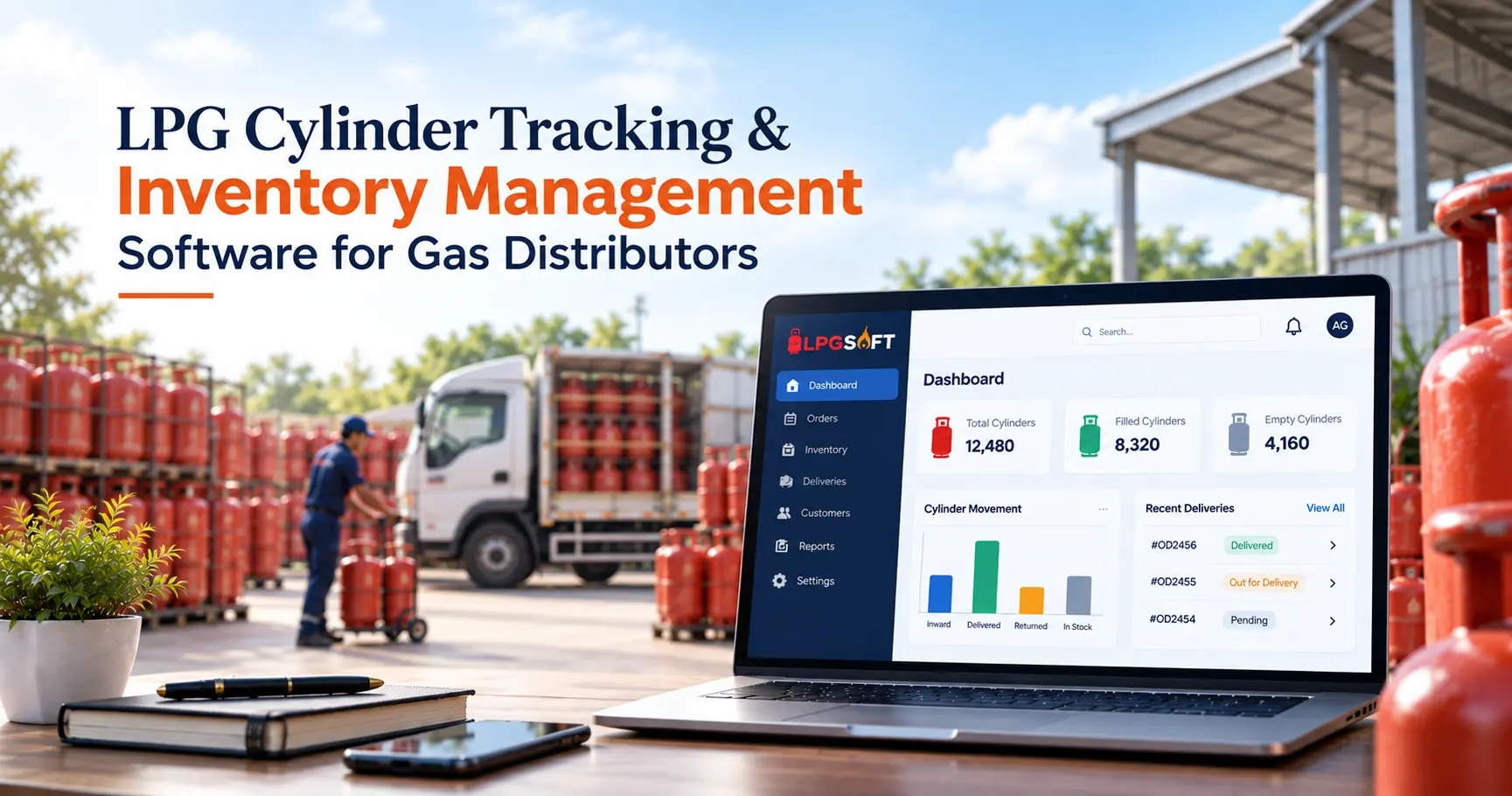
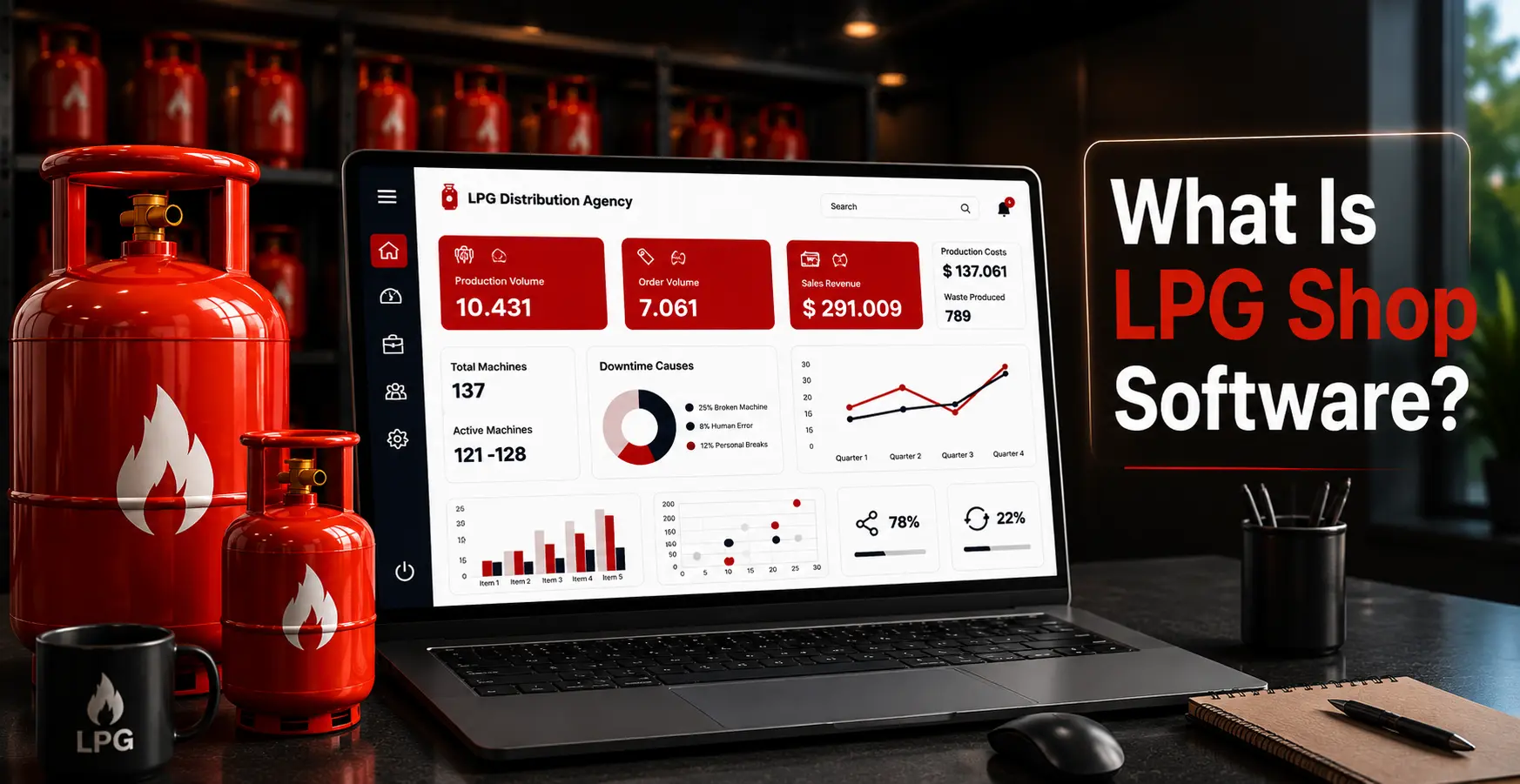
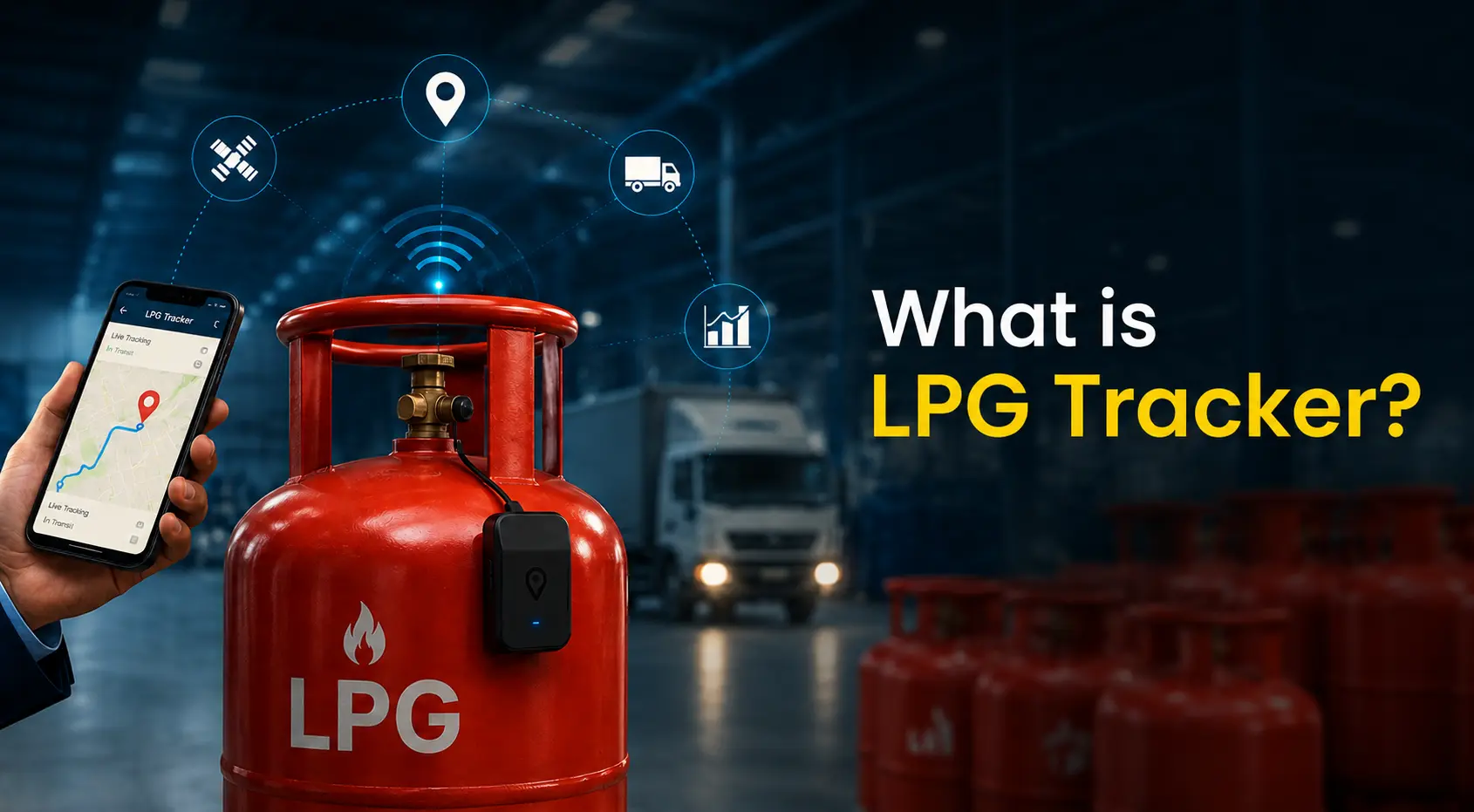
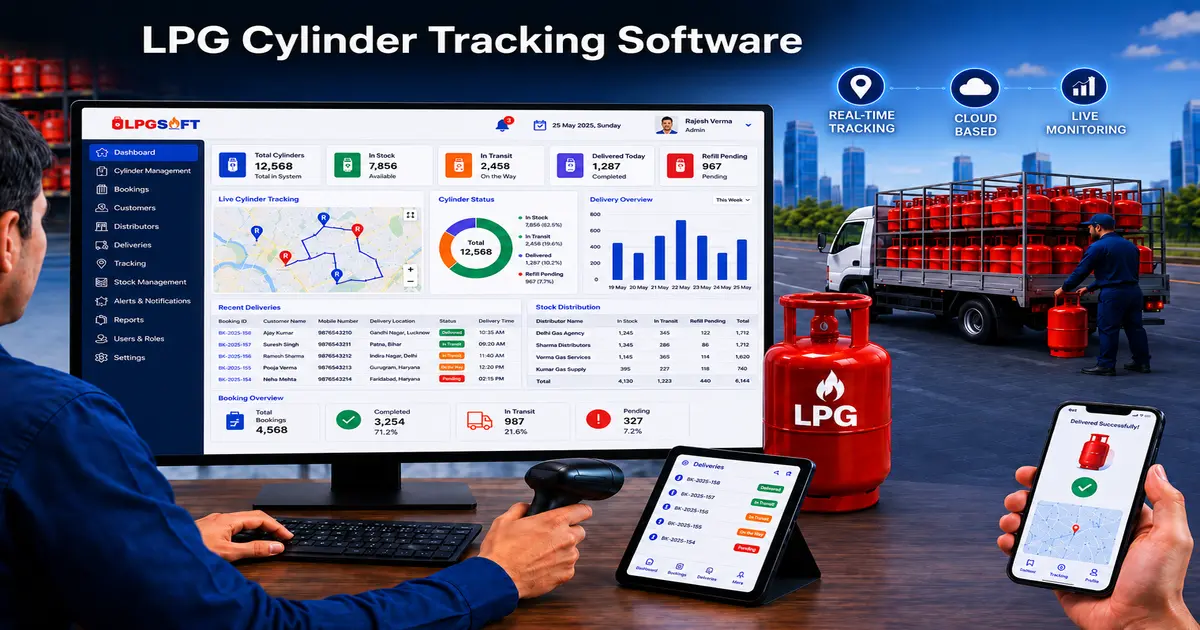
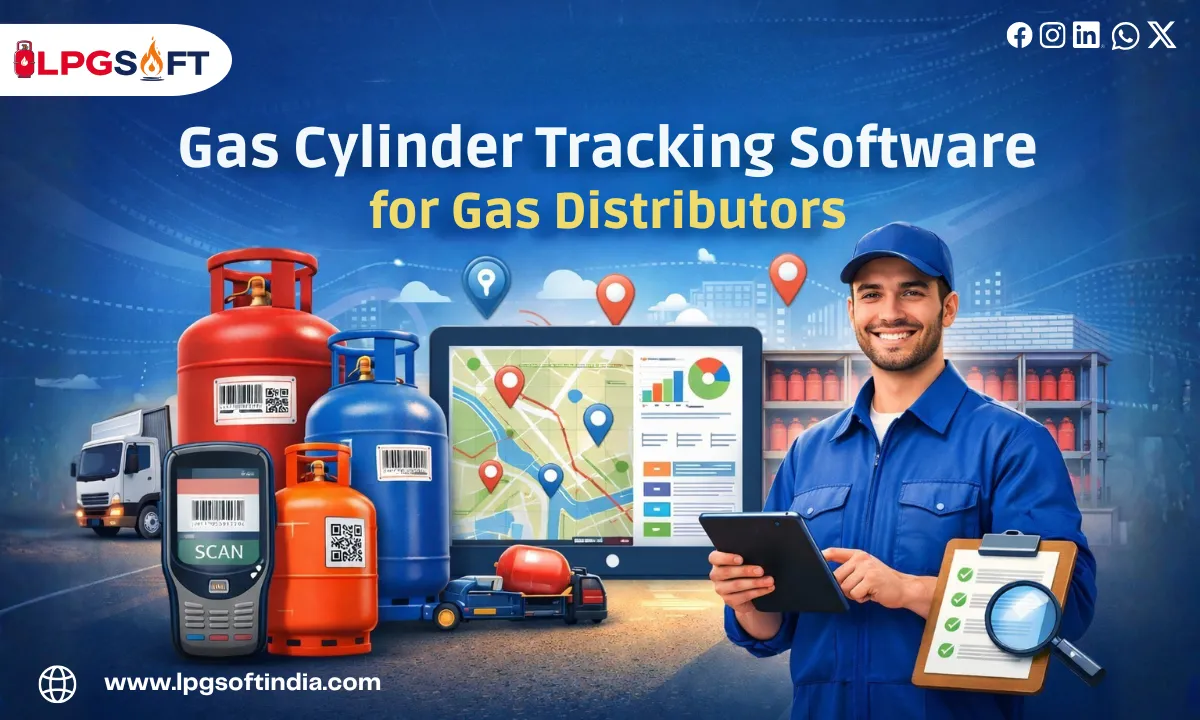
LPG distributors use LPG distribution management software to organize cylinder deliveries, monitor inventory movements, assign delivery staff, and track order progress.
An effective LPG management system connects inventory, customer records, order processing, billing, and delivery management in one platform.
Depending on its capabilities, the software can help distributors:
- Assign cylinder delivery orders to delivery personnel.
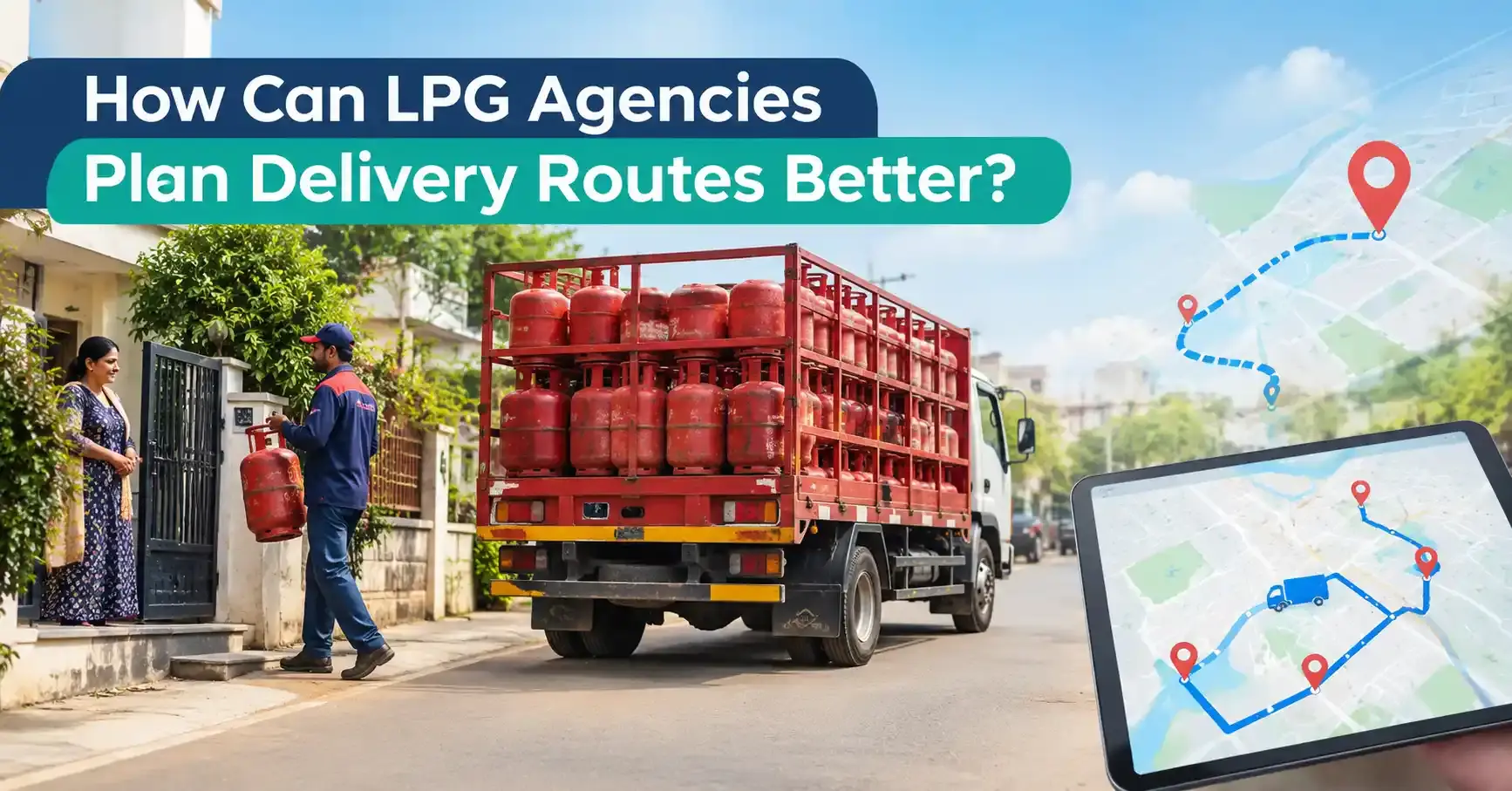
- Organize deliveries according to designated routes.
- Monitor pending, completed, and returned orders.
- Track filled and empty cylinder inventory.
- Maintain customer-wise delivery history.
- Record cylinder returns during deliveries.
- Generate daily delivery and stock reports.
For example, when a customer requests an LPG refill, the distributor can record the booking, assign it to a delivery person, update its status, and record the cylinder exchange.
This creates a more organized delivery workflow and reduces the need for repeated manual entries.
It is important to distinguish delivery management from GPS vehicle tracking. Delivery management software organizes orders and delivery assignments, while GPS-based fleet tracking requires a GPS-enabled vehicle tracking system or integration.
.webp)
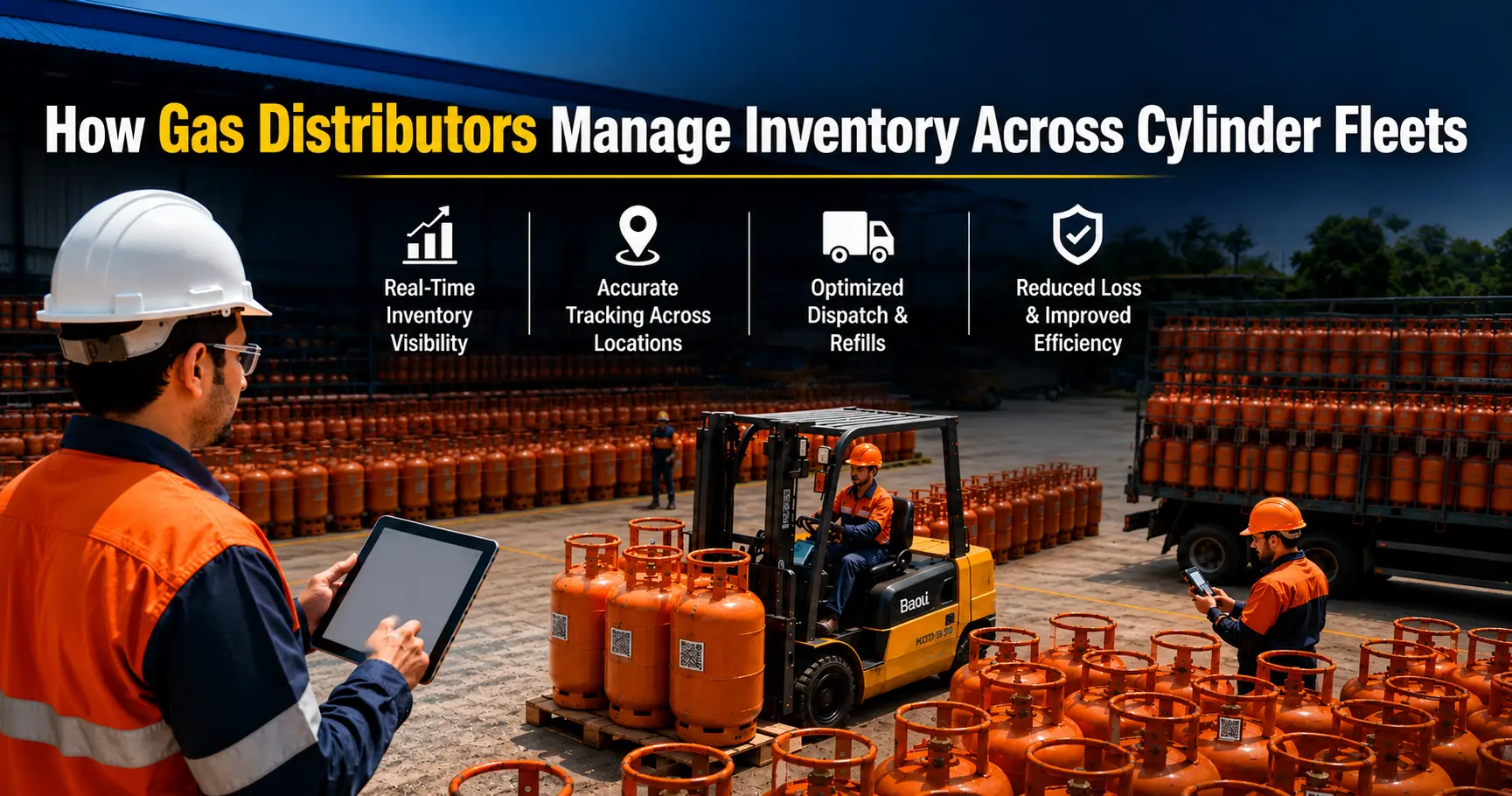
How Do Gas Distributors Manage Inventory Across Cylinder Fleets?
Cylinder inventory management is one of the most important responsibilities of an LPG distributor.
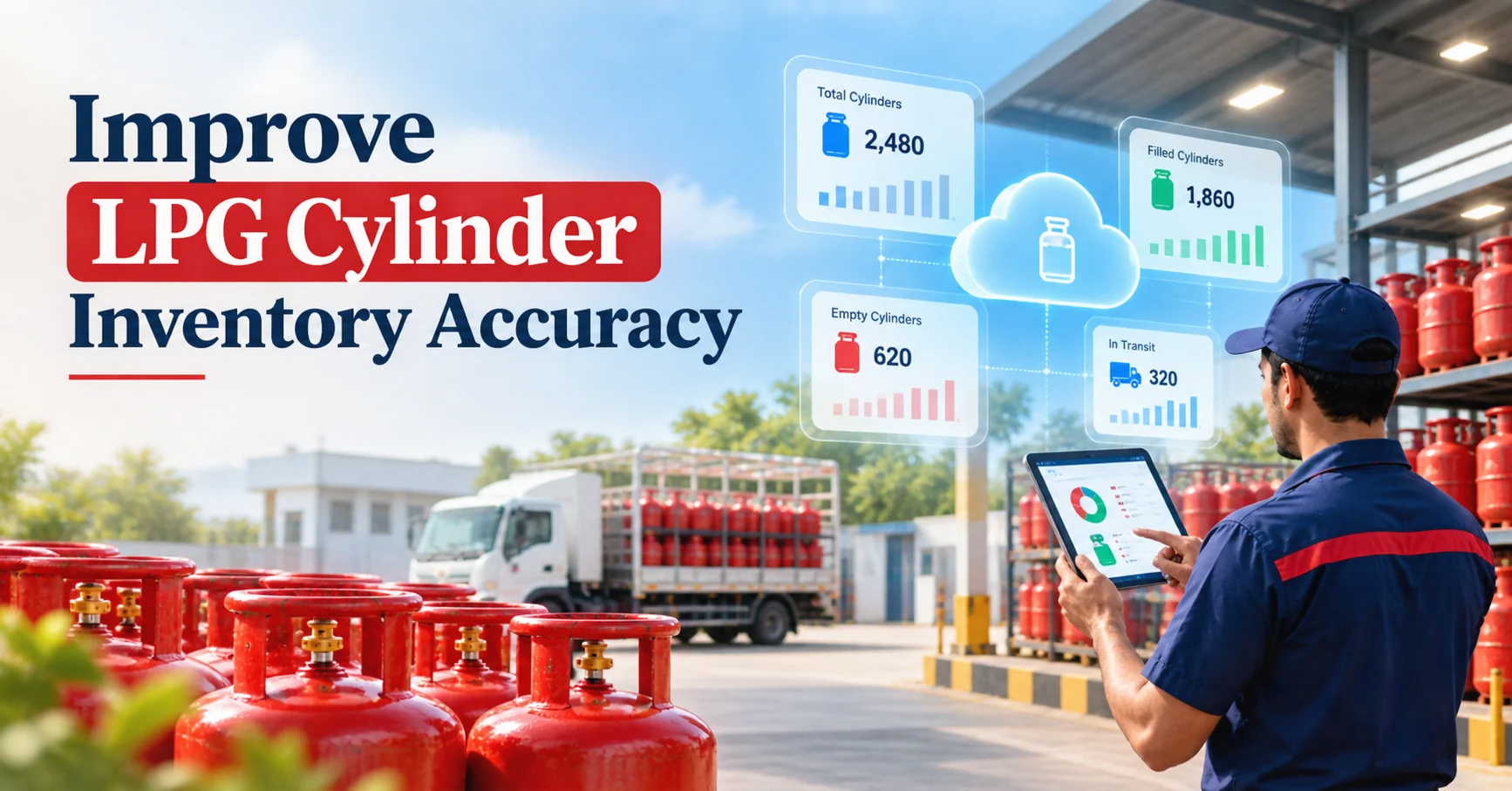
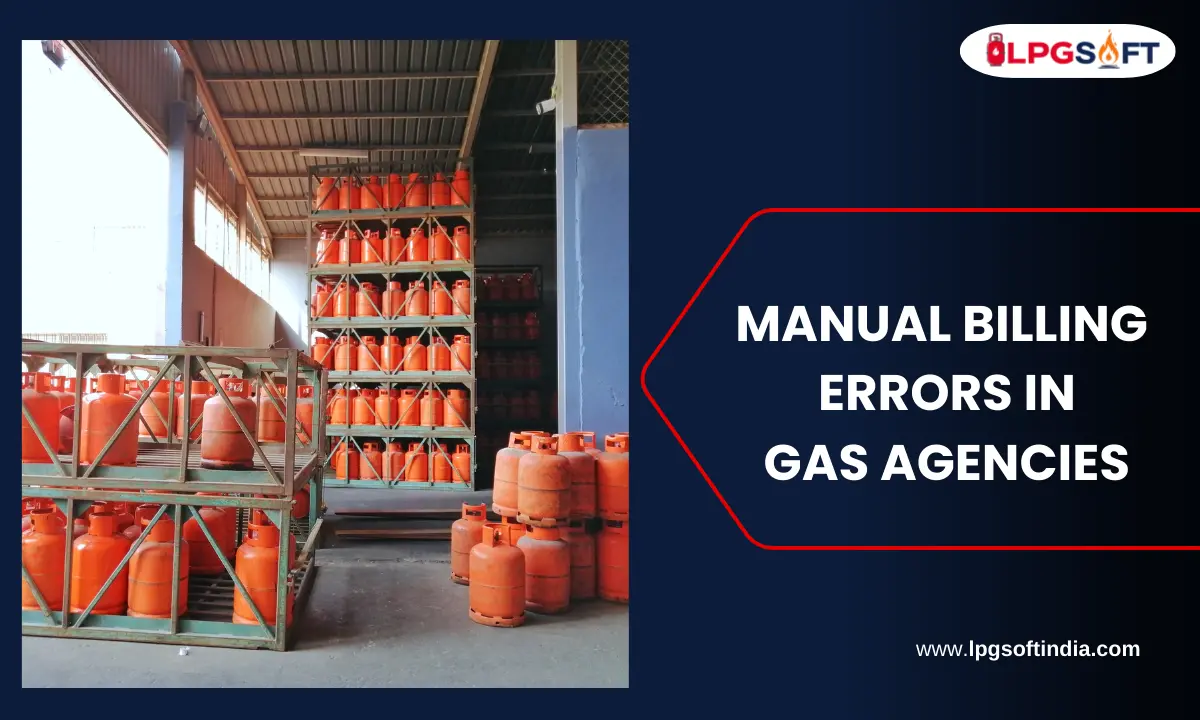
A distributor may manage thousands of cylinders across warehouses, storage locations, delivery vehicles, and customer premises. Without accurate records, it becomes difficult to identify how many cylinders are available, how many are in circulation, and where inventory discrepancies occur.
Gas distributors can improve inventory control through the following practices.
1. Track Filled, Empty, and Defective Cylinders
Distributors should maintain separate records for different cylinder categories.
These include:
- Filled cylinders available for delivery.
- Empty cylinders awaiting refilling.
- Defective cylinders requiring inspection or maintenance.
- Cylinders currently assigned to delivery operations.
Digital inventory management helps maintain updated stock information whenever cylinders are received, dispatched, sold, or returned.
2. Monitor Inventory Across Multiple Locations
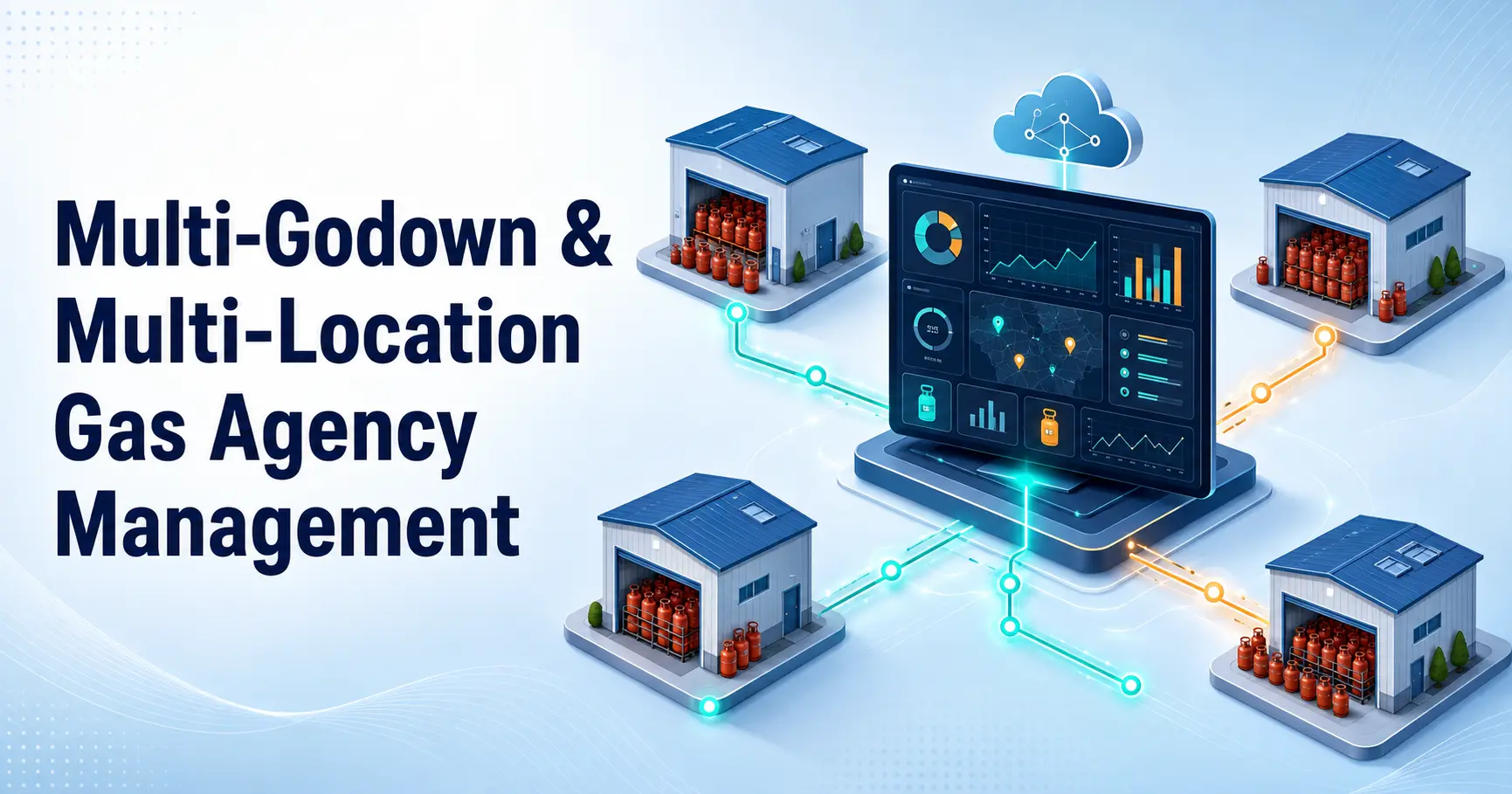
Distributors operating multiple branches or warehouses need centralized stock visibility.
LPG inventory software helps managers review stock availability across different locations and identify shortages before they affect customer deliveries.
3. Maintain Accurate Cylinder Movement Records
Every cylinder movement should be recorded, including incoming stock, outgoing deliveries, customer returns, and warehouse transfers.
Consistent movement records make stock reconciliation easier and help distributors identify inventory differences.
4. Generate Inventory Reports
Daily and monthly inventory reports help distributors understand stock availability, cylinder movement, returns, and operational requirements.
These reports support better purchasing decisions and reduce unnecessary inventory buildup.
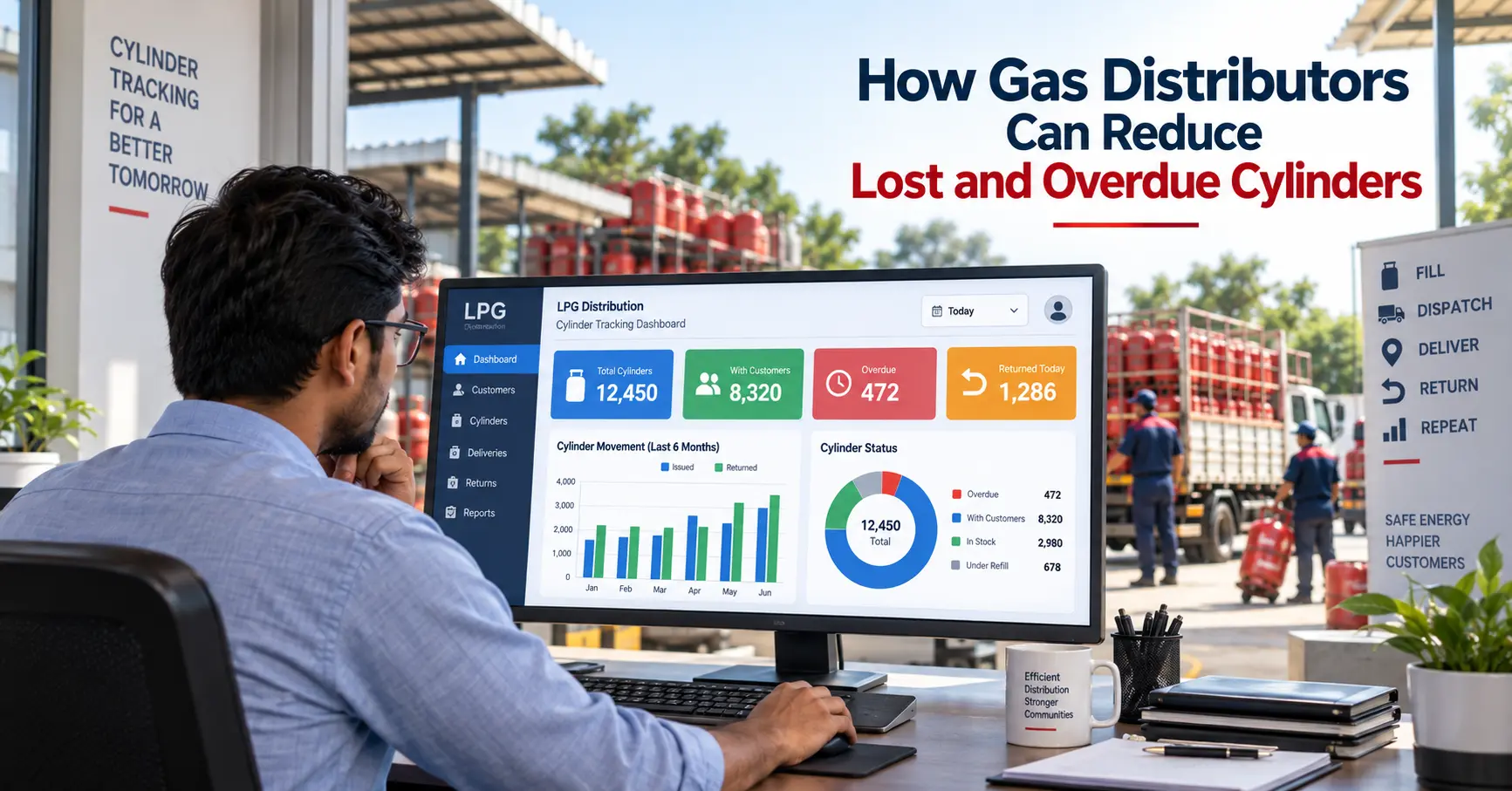
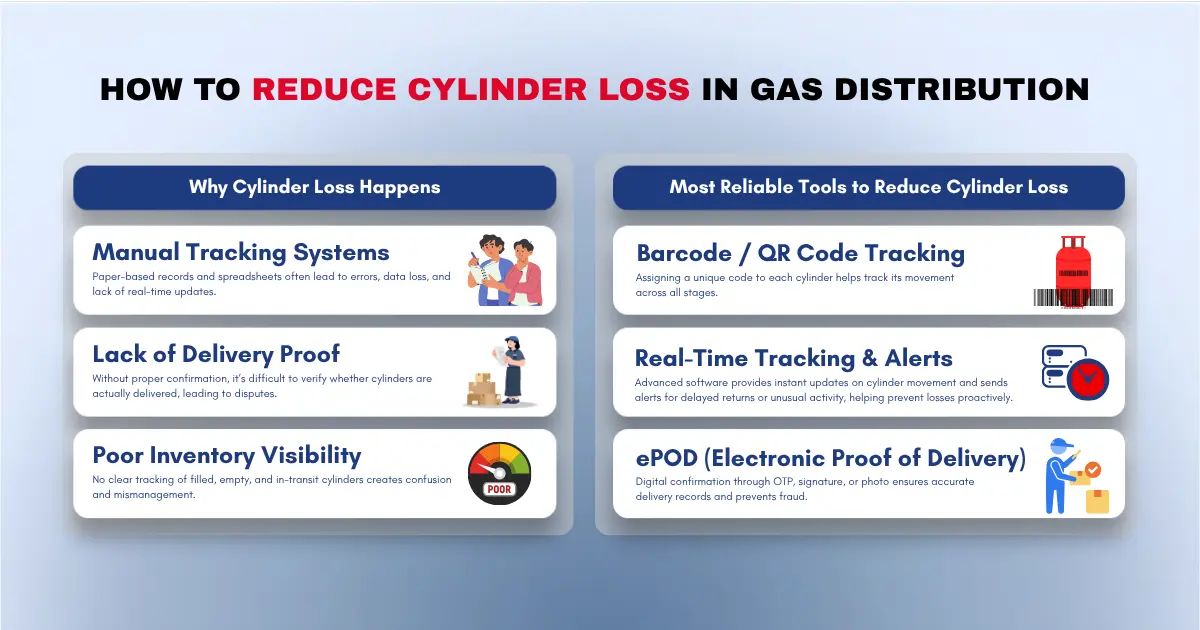
How Do Gas Distributors Reduce Lost and Overdue Cylinders?
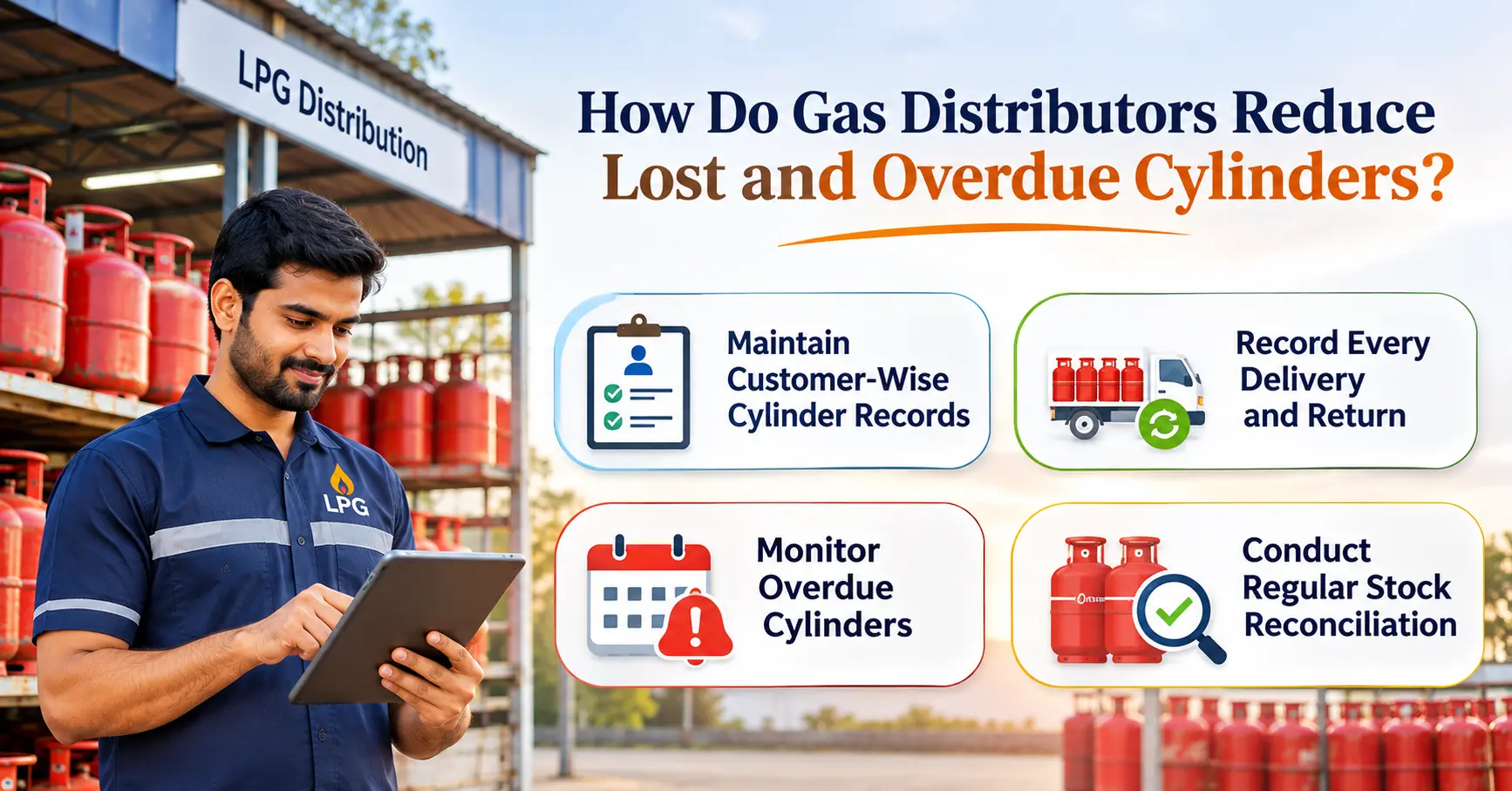
Lost and overdue cylinders are common operational concerns for gas distribution businesses.
Cylinders move between distributors, delivery vehicles, and customer locations. If deliveries and returns are not recorded correctly, distributors may struggle to identify which cylinders are still in circulation.
To reduce these problems, distributors should establish a structured cylinder tracking process.
Maintain Customer-Wise Cylinder Records
Customer records should include delivery history, cylinder quantities, outstanding returns, and relevant transaction details.
This makes it easier to identify customers with pending cylinder returns.
Record Every Delivery and Return
Whenever a filled cylinder is delivered and an empty cylinder is collected, the transaction should be updated in the system.
Accurate exchange records help maintain the correct balance between filled and empty cylinders.
Monitor Overdue Cylinders
Distributors can use outstanding-cylinder reports to identify cylinders that have not been returned within the expected period.
Follow-up reminders help delivery teams and office staff prioritize pending returns.
Conduct Regular Stock Reconciliation
Physical stock should be compared with digital inventory records.
Any differences should be investigated promptly to identify missing entries, incorrect transactions, damaged cylinders, or unrecorded returns.
Digital tracking does not automatically prevent every cylinder loss, but it gives distributors better information to investigate discrepancies earlier.
How Can Software Help Monitor Cylinder Usage and Refill Cycles?
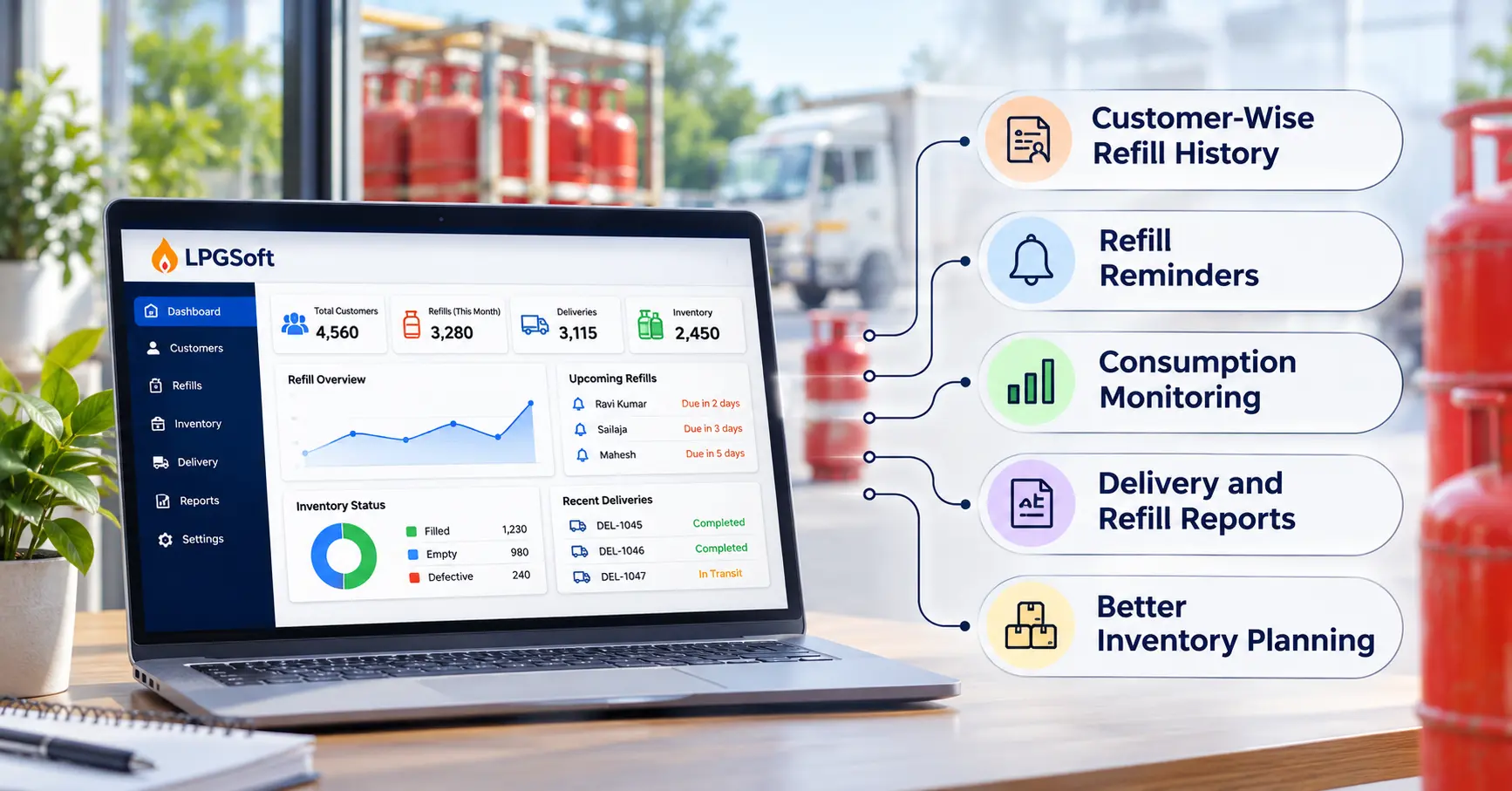
Monitoring cylinder usage and refill cycles helps distributors understand customer demand and plan inventory more effectively.
Without organized delivery records, it can be difficult to identify customer consumption patterns or estimate when customers may need another refill.
LPG management software can support this process through several functions.
1. Customer-Wise Refill History
The software maintains previous booking and delivery records, helping distributors understand how frequently individual customers request refills.
2. Refill Reminders
Based on previous delivery dates and recorded consumption patterns, distributors can plan customer follow-ups and send refill reminders where supported.
3. Consumption Monitoring
Customer-wise reports help distributors identify regular customers, changes in refill frequency, and variations in demand.
4. Delivery and Refill Reports
Daily, weekly, and monthly reports help managers understand refill demand and prepare sufficient stock for upcoming deliveries.
5. Better Inventory Planning
Historical refill information can help distributors estimate demand, plan cylinder purchases, and maintain appropriate stock levels.
These features help gas agencies improve customer communication while maintaining better control over inventory.
Manual Cylinder Tracking vs LPG Management Software
As an LPG business expands, manual inventory management can become difficult to maintain. Digital software provides a more organized way to manage daily operations.
| Business Activity | Manual Management | LPG Management Software |
|---|---|---|
| Cylinder inventory | Register-based entries | Digital stock records |
| Filled and empty stock | Manual counting | Categorized stock tracking |
| Delivery assignment | Phone calls and registers | Organized staff assignment |
| Route management | Manual planning | Route-based delivery assignment |
| Cylinder returns | Manual follow-ups | Recorded return transactions |
| Overdue cylinders | Difficult to identify | Outstanding-cylinder reports |
| Refill monitoring | Previous registers | Customer-wise delivery history |
| Business reporting | Manual calculations | Digital operational reports |
The main advantage of digital management is better visibility. Managers can access organized information without depending entirely on separate registers and spreadsheets.
How LPGSoft Helps Gas Distributors Manage Cylinder Delivery and Inventory
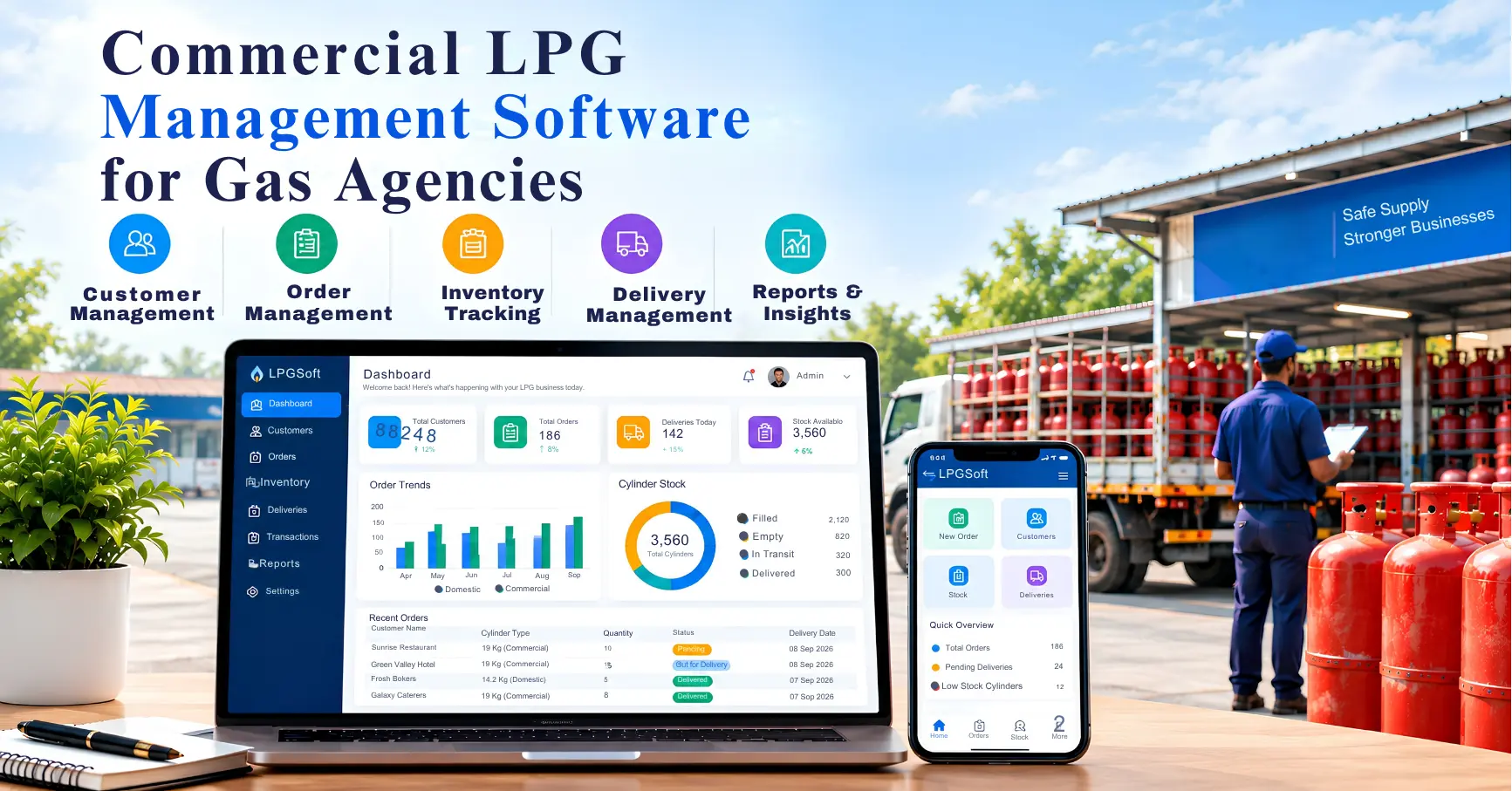
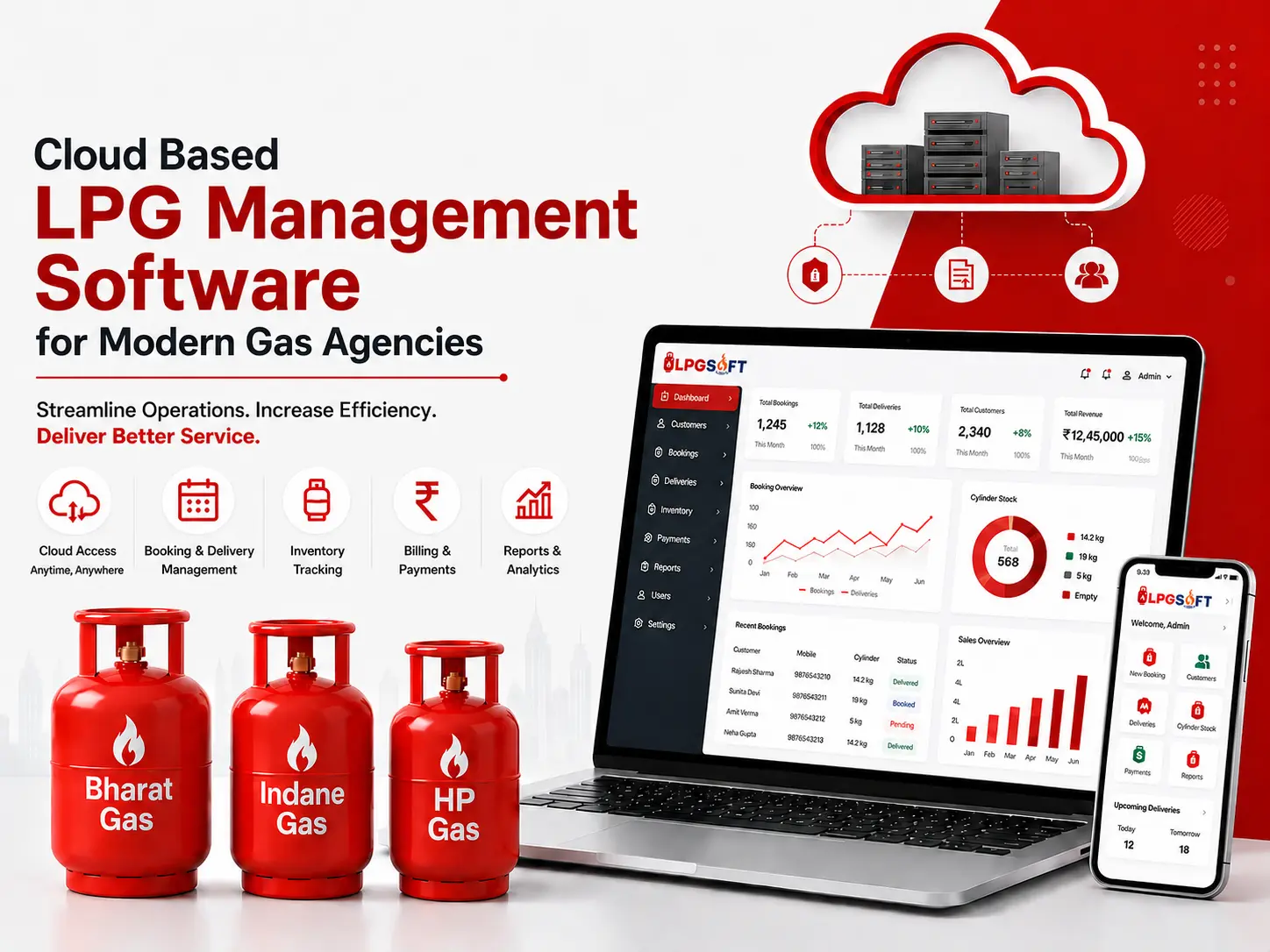
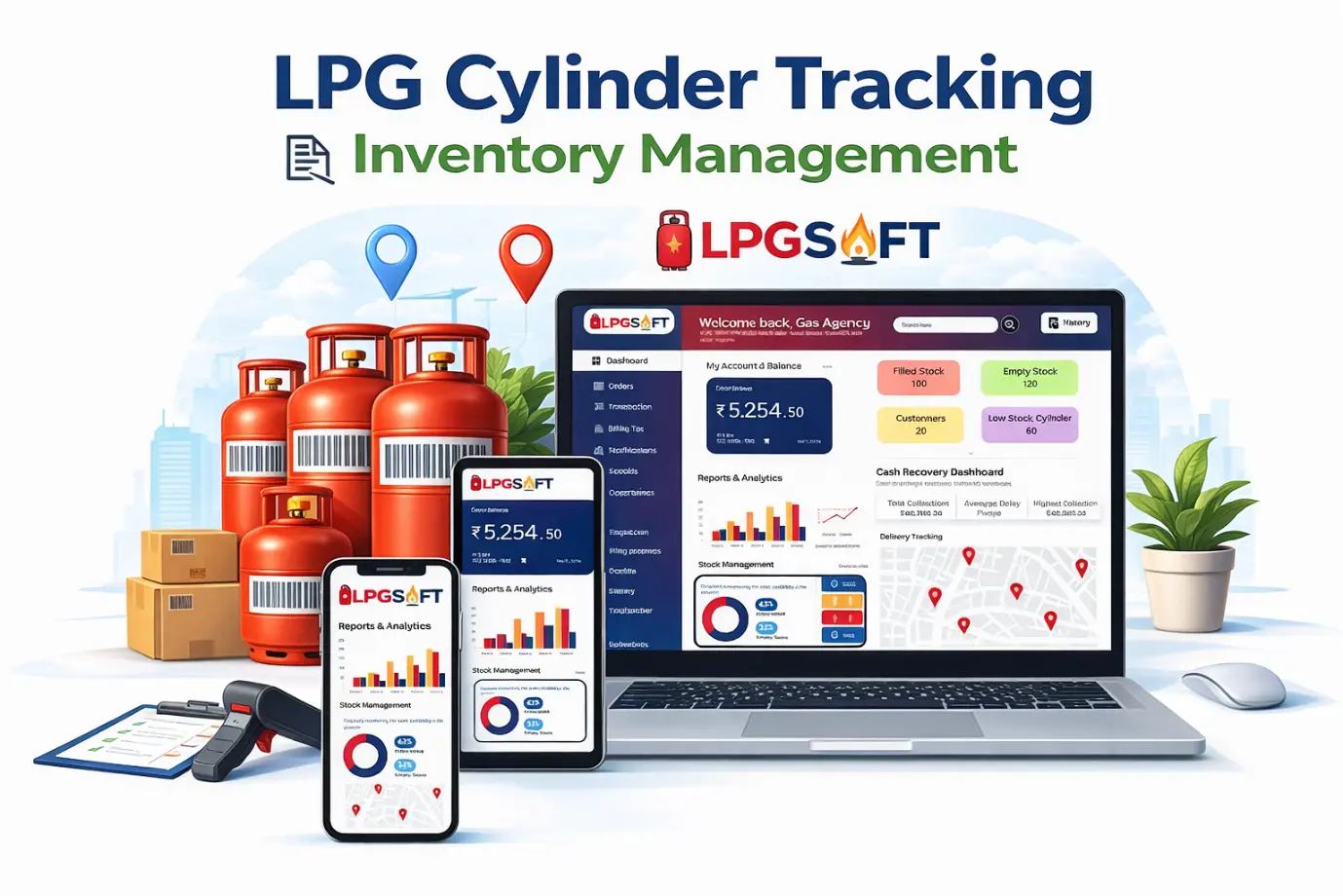
LPGSoft is an LPG management software solution designed to help gas agencies manage their daily distribution operations through a centralized platform.
Instead of handling billing, inventory, customer information, and delivery records separately, distributors can manage these activities through connected software features.
Some useful LPGSoft capabilities include:
Inventory Management
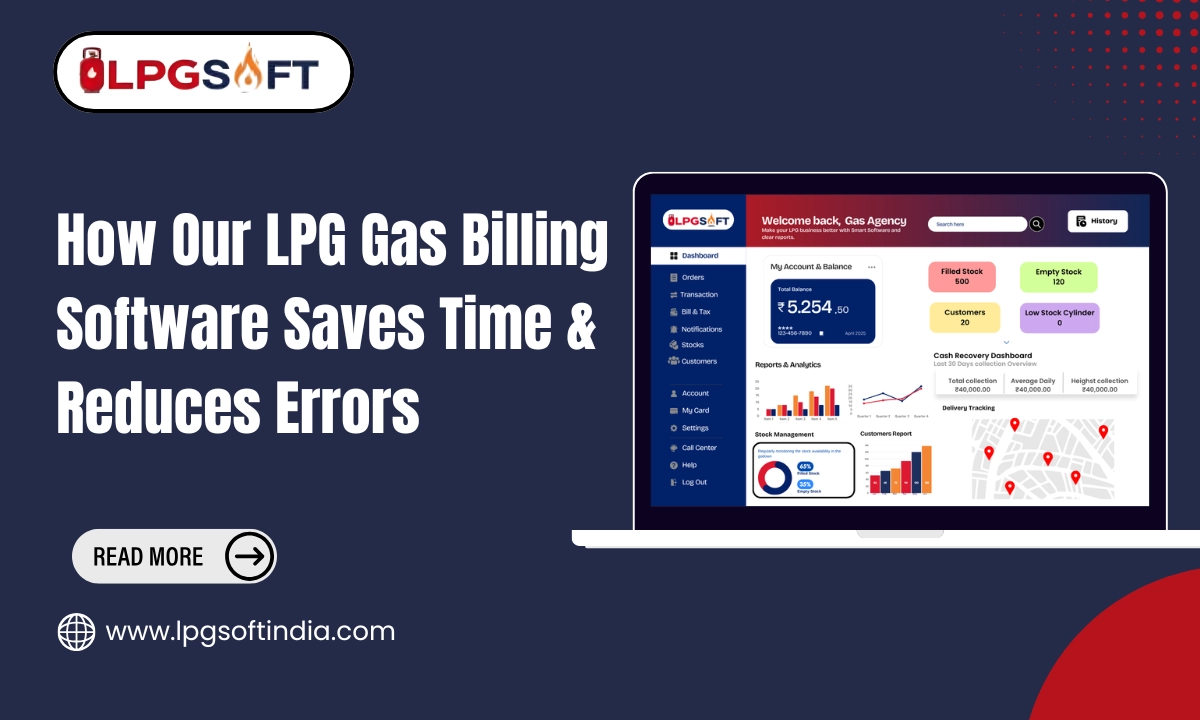
LPGSoft helps distributors monitor incoming and outgoing stock, maintain filled and empty cylinder records, and identify low-stock situations.
Delivery Management
Gas agencies can plan daily deliveries, assign orders to delivery personnel, organize deliveries based on routes, and monitor delivery status.
Cylinder Return Management
Recording cylinder returns during delivery helps distributors maintain more accurate inventory information and review return transactions.
Customer Management
Distributors can maintain customer details, booking history, payment information, and delivery records in one place.
Reports and Analytics
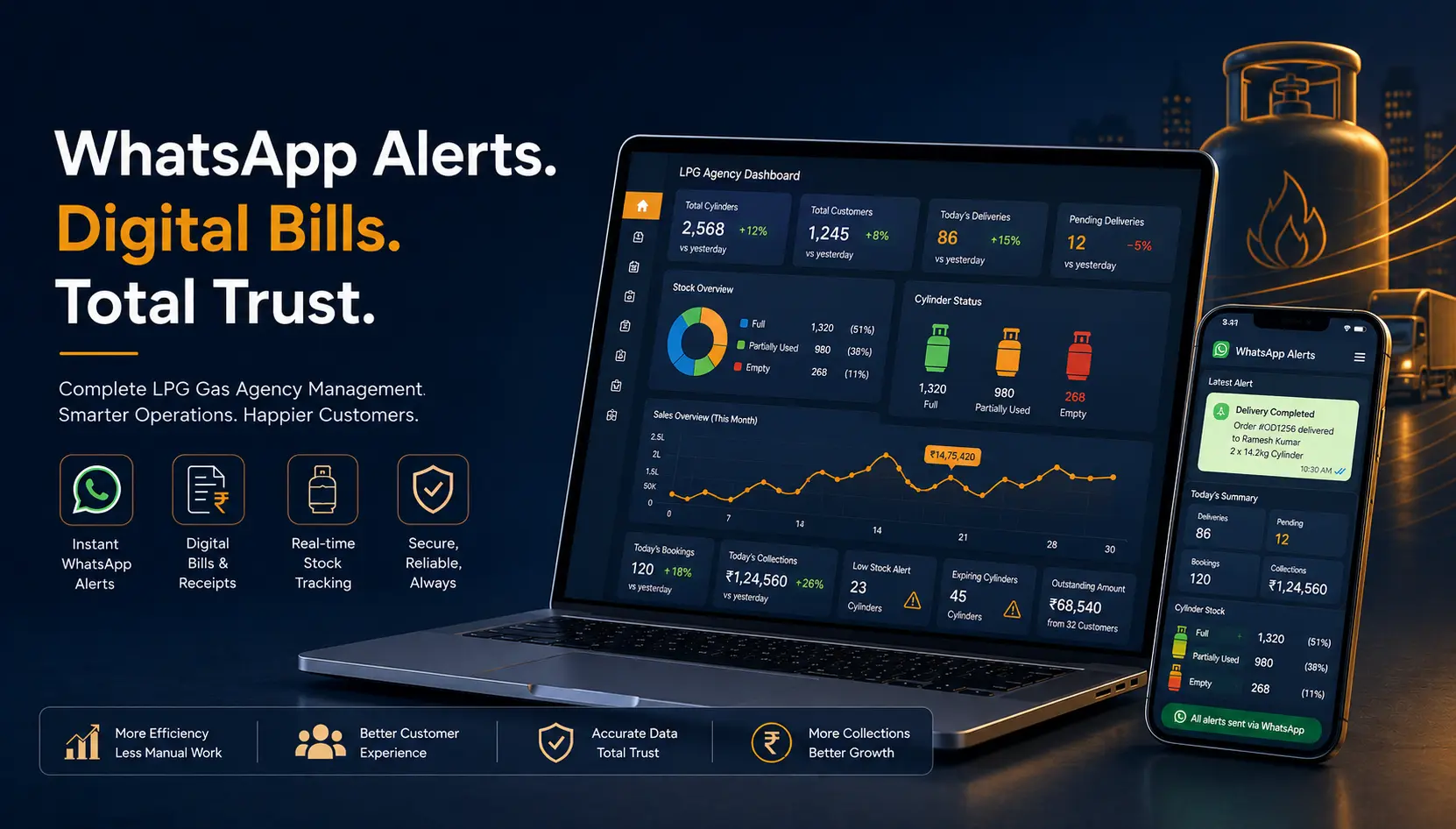
Daily and monthly reports provide information about sales, stock movements, customer consumption, cylinder purchases, and returns.
Alerts and Reminders
Available reminder features help agencies manage customer follow-ups, low-stock alerts, payment dues, and operational activities.
By bringing these processes together, LPGSoft helps gas distributors reduce manual work, improve inventory visibility, and organize their distribution operations more efficiently.
Final Thoughts:
Managing cylinder inventory, deliveries, and customer refill cycles is easier with reliable LPG Management Software. LPGSoft, an effective LPG Agency Management Software, helps gas distributors manage cylinder tracking, inventory, customer records, delivery operations, and business reports in one platform.
Simplify your LPG distribution business with LPGSoft!
Get started today and streamline your gas agency operations.
FAQ’S
LPG distribution management software helps agencies manage cylinder bookings, assign delivery personnel, organize route-based deliveries, and monitor delivery status. GPS-based vehicle tracking may require a separate integration or tracking system.
Gas distributors use LPG inventory management software to monitor filled, empty, and defective cylinders, record stock movements, manage warehouse inventory, and reconcile physical stock with digital records.
LPG software helps distributors maintain customer-wise cylinder records, record deliveries and returns, identify outstanding cylinders, and generate inventory reports for timely follow-ups.
Software can maintain customer-wise delivery history, monitor refill frequency, analyze consumption patterns, and support refill reminders based on previous transactions.
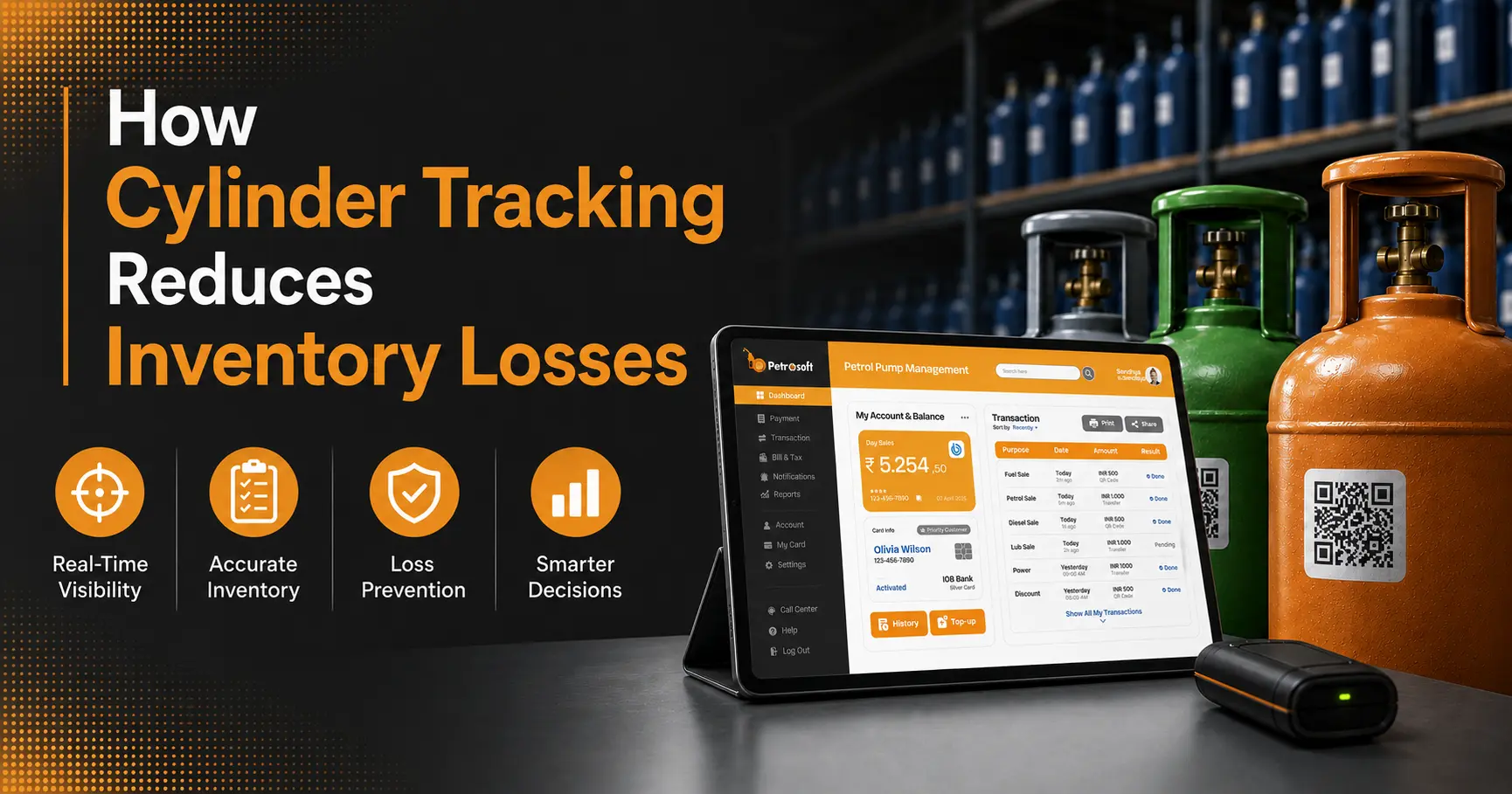
Cylinder tracking improves inventory accuracy, helps identify missing or overdue cylinders, supports stock reconciliation, and provides better visibility into cylinder movements.
LPG management software helps streamline inventory management, billing, customer records, delivery assignments, cylinder returns, payment tracking, and business reporting.