
LPG Soft
30th Sep 2026
LPG Delivery Route Planning: How Gas Agencies Can Reduce Fuel Costs and Delays
LPG delivery is one of the most important day-to-day operations for a gas agency. When several customers need cylinder deliveries across different locations, managing routes manually can become difficult. Poorly planned routes can lead to unnecessary travel, higher fuel consumption, delayed deliveries, and increased workload for delivery staff.
For growing LPG agencies, the challenge is not simply completing deliveries. It is planning the right deliveries for the right staff and route while maintaining timely customer service.
A well-organized LPG delivery route planning process can help agencies use delivery vehicles and staff more efficiently, reduce avoidable travel, and maintain better visibility over pending and completed deliveries.
Why LPG Delivery Route Planning Matters
An LPG agency may receive many delivery orders throughout the day. These customers may be located across different streets, neighbourhoods, or service areas.
If deliveries are assigned without considering location, agencies may face problems such as:
- Delivery staff travelling unnecessarily long distances
- Multiple trips through the same area
- Higher fuel consumption
- More time spent on the road
- Delayed customer deliveries
- Difficulty tracking pending orders
- Uneven workloads among delivery staff
For example, if five customers in the same area have deliveries scheduled for the same day, sending different delivery staff at different times can result in unnecessary travel.
Grouping deliveries based on location and assigning them appropriately can make the delivery process more organized.
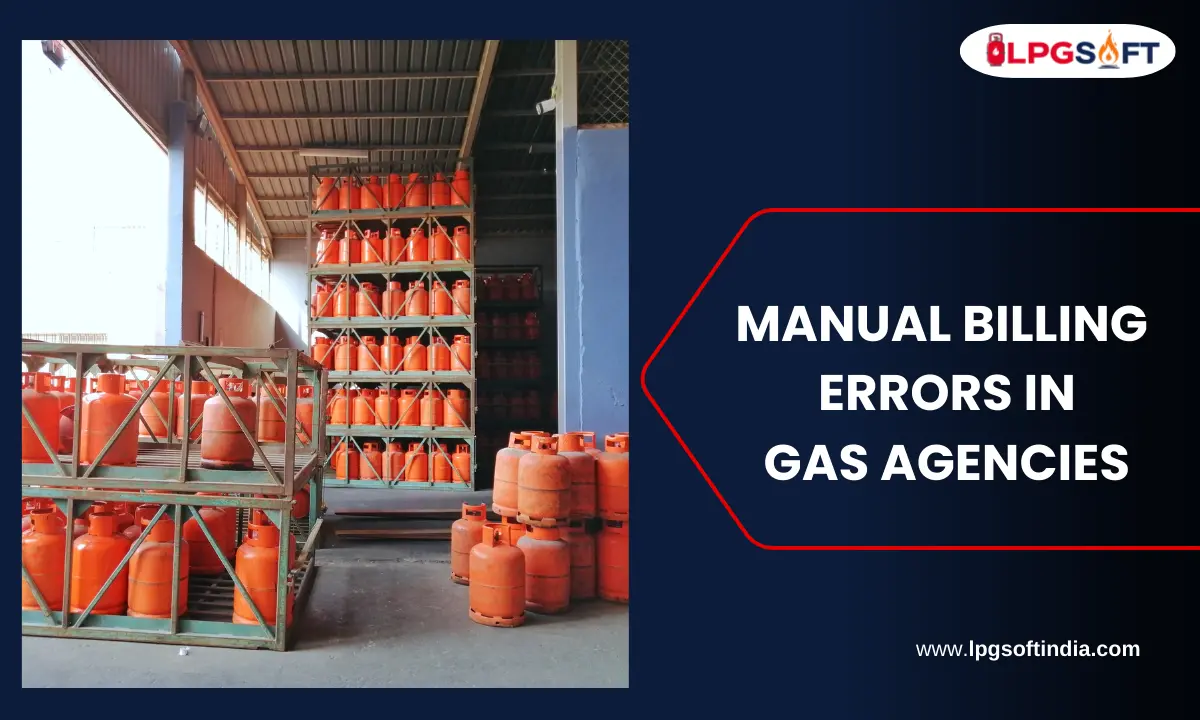
5 Common Problems with Manual LPG Delivery Planning
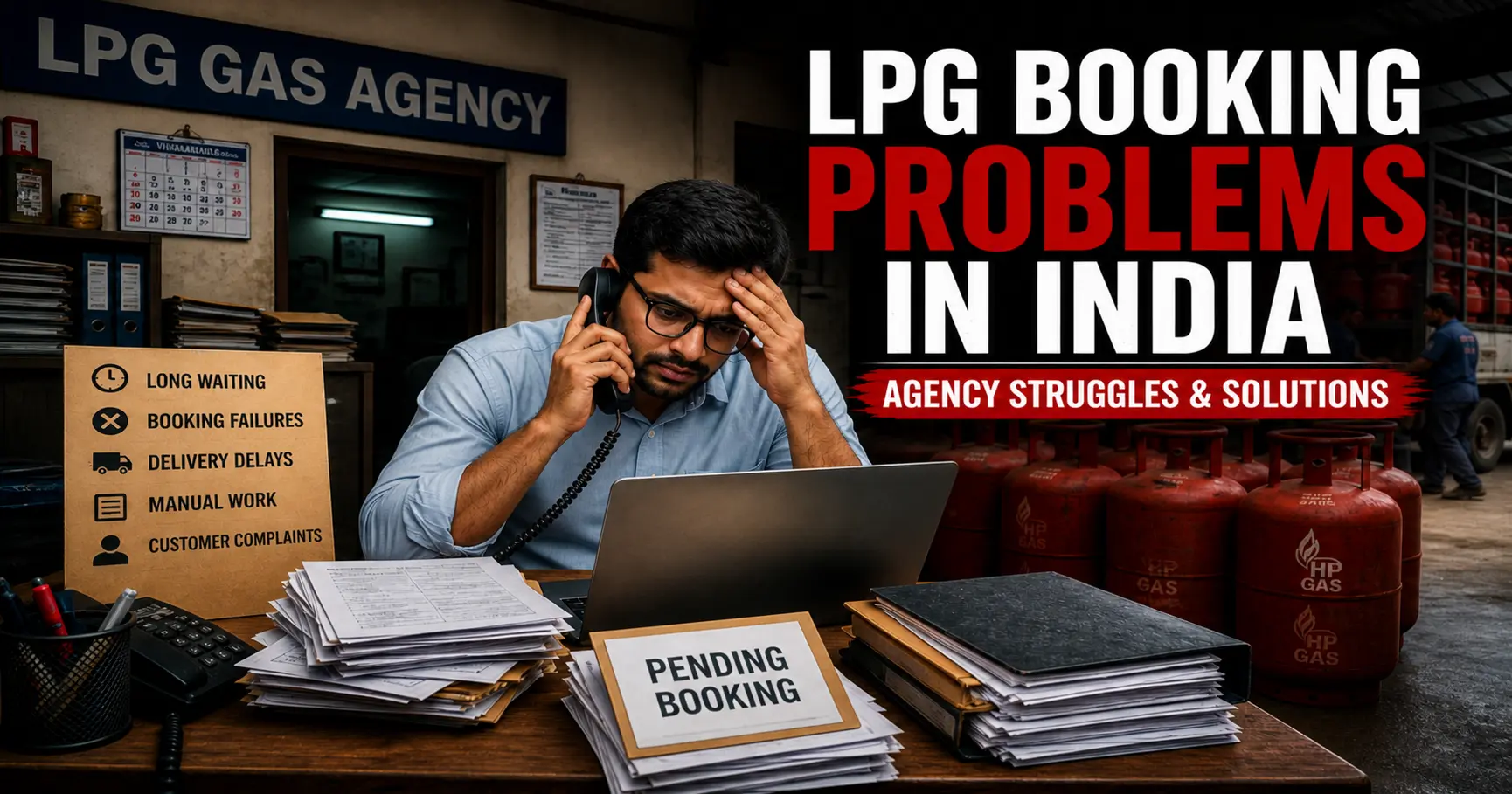
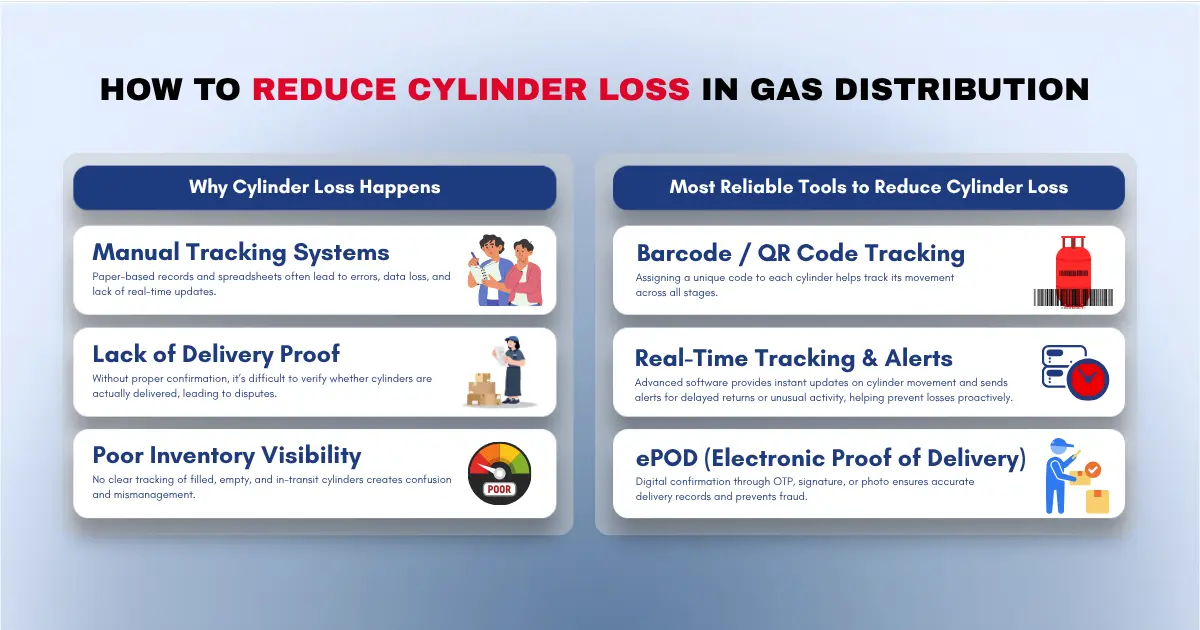
LPG booking issues can quickly lead to delayed deliveries, manual workload, and difficulty tracking customer orders. Understanding the common LPG booking problems faced by gas agencies can help identify operational gaps before they affect daily delivery planning. Read more about LPG booking problems and agency solutions
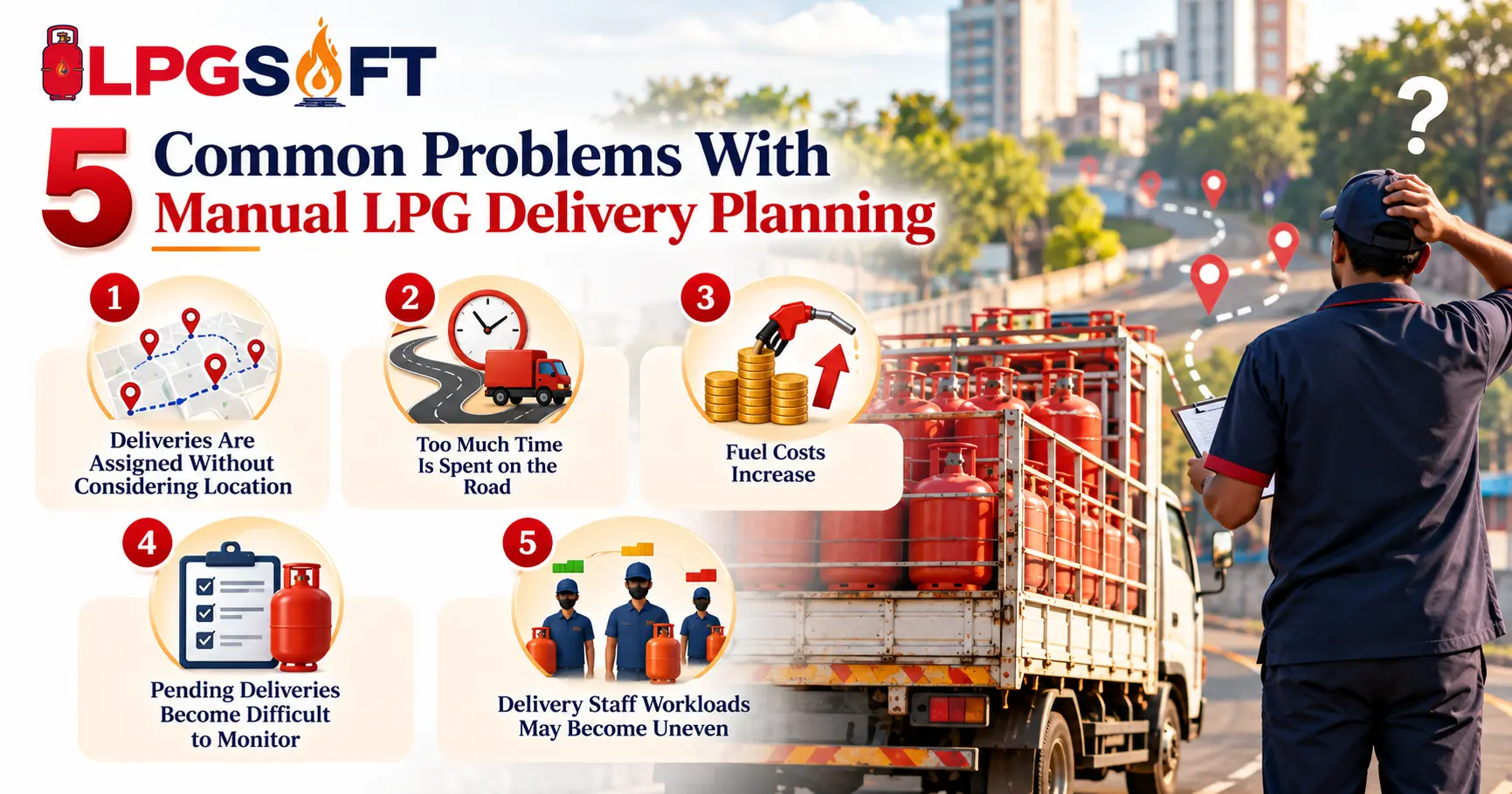
1. Deliveries Are Assigned Without Considering Location
When delivery assignments are based only on the order sequence, nearby customers may be assigned to different delivery staff.
This can increase travel distance and make daily delivery planning less efficient.
2. Too Much Time Is Spent on the Road
Long or repeated routes reduce the number of deliveries a staff member can complete during the day.
The issue may not always be a shortage of delivery staff. Sometimes, inefficient route planning is the problem.
3. Fuel Costs Increase
Unnecessary travel directly affects fuel consumption.
Repeated trips, backtracking, and inefficient routes can increase vehicle operating costs over time.
4. Pending Deliveries Become Difficult to Monitor
When delivery information is maintained manually, managers may have difficulty knowing which orders are:
- Pending
- Assigned
- Out for delivery
- Completed
- Delayed
This can make it harder to respond quickly when customers ask about their delivery status.
5. Delivery Staff Workloads May Become Uneven
One delivery staff member may receive several orders in the same area while another has fewer deliveries but has to travel farther.
Better assignment can help distribute work more effectively.
How Can LPG Agencies Plan Delivery Routes Better?
Effective LPG delivery planning does not always mean finding the shortest possible route for every individual customer. It means organizing deliveries based on location, workload, priority, vehicle capacity, and delivery requirements.
Group Customers by Location
Start by identifying customers who are located in the same or nearby areas.
For example:
Area A → Area B → Area C
Instead of sending vehicles back and forth between these areas, deliveries can be organized into practical routes.
Assign Deliveries Based on Workload
Consider how many cylinders each delivery staff member or vehicle needs to handle.
A route with many customers may require a different assignment from a route with fewer but more distant deliveries.
Prioritize Pending Deliveries
Orders that have been waiting longer or have specific delivery requirements should be identified before creating the day's delivery plan.
This helps prevent older pending orders from being overlooked.
Track Delivery Status
A manager should be able to identify whether an order has been assigned, delivered, or is still pending.
This provides better visibility throughout the day and makes customer communication easier.
How Better Route Planning Can Reduce Fuel Costs
Fuel is an important operating expense for LPG delivery businesses.
Better route planning can help reduce avoidable fuel consumption by minimizing unnecessary travel.
For example, consider an agency with 30 deliveries across three nearby areas. If deliveries are assigned randomly, vehicles may repeatedly travel through the same locations.
By grouping customers geographically, the agency can create more organized delivery routes.
This can help reduce:
- Repeated travel
- Backtracking
- Unnecessary trips
- Idle delivery time
- Vehicle usage
Even small improvements in daily route planning can become meaningful when repeated over weeks and months.
However, fuel savings depend on factors such as traffic, road conditions, vehicle capacity, delivery locations, and the number of orders. Route planning should therefore be combined with actual delivery data to identify where improvements are possible.
What Should LPG Delivery Management Software Provide?
If your LPG agency is considering delivery management software, don't look only for a feature called “route planning.”
Evaluate the complete delivery workflow.
Delivery Assignment
The system should help managers assign orders to the appropriate delivery staff.
Route-Based Assignment
Deliveries should be organized based on locations or service areas where applicable, helping staff manage nearby orders more efficiently.
Delivery Status Tracking
Managers should be able to see whether deliveries are pending, assigned, in progress, or completed.
Delivery Staff Management
The system should provide visibility into which staff member is handling particular deliveries.
Cylinder Return Tracking
For LPG operations, delivery may also involve collecting empty cylinders. The system should help maintain accurate records of cylinder movements and returns.
Delivery Reports
Reports can help managers review completed deliveries, pending orders, staff activity, and overall delivery performance.
Customer Notifications
Keeping customers informed about their booking or delivery status can reduce repeated calls and improve communication.
Manual LPG Delivery Planning vs Digital Management
| Manual Planning | Digital Delivery Management |
|---|---|
| Orders maintained in registers or spreadsheets | Orders managed in a centralized system |
| Manual delivery assignment | Faster staff assignment |
| Limited delivery visibility | Delivery status tracking |
| Difficult to review pending orders | Easier pending-order monitoring |
| Manual delivery reports | Centralized delivery reports |
| Customer updates may require calls | Notifications can support customer communication |
Digital management does not automatically solve every routing problem. The value comes from having accurate order, location, staff, and delivery-status information available when planning daily operations.
How LPGSoft Helps Manage LPG Deliveries
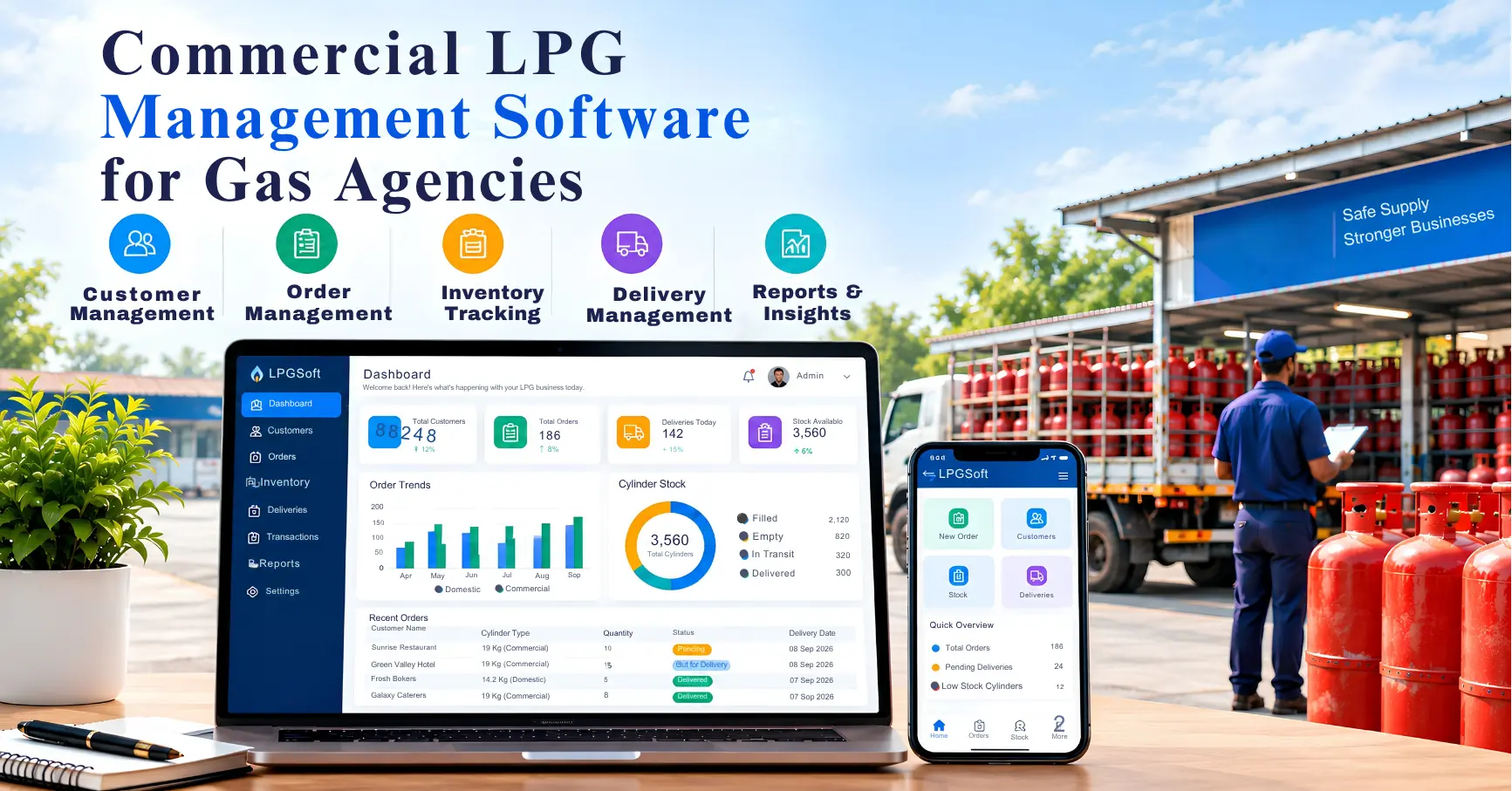
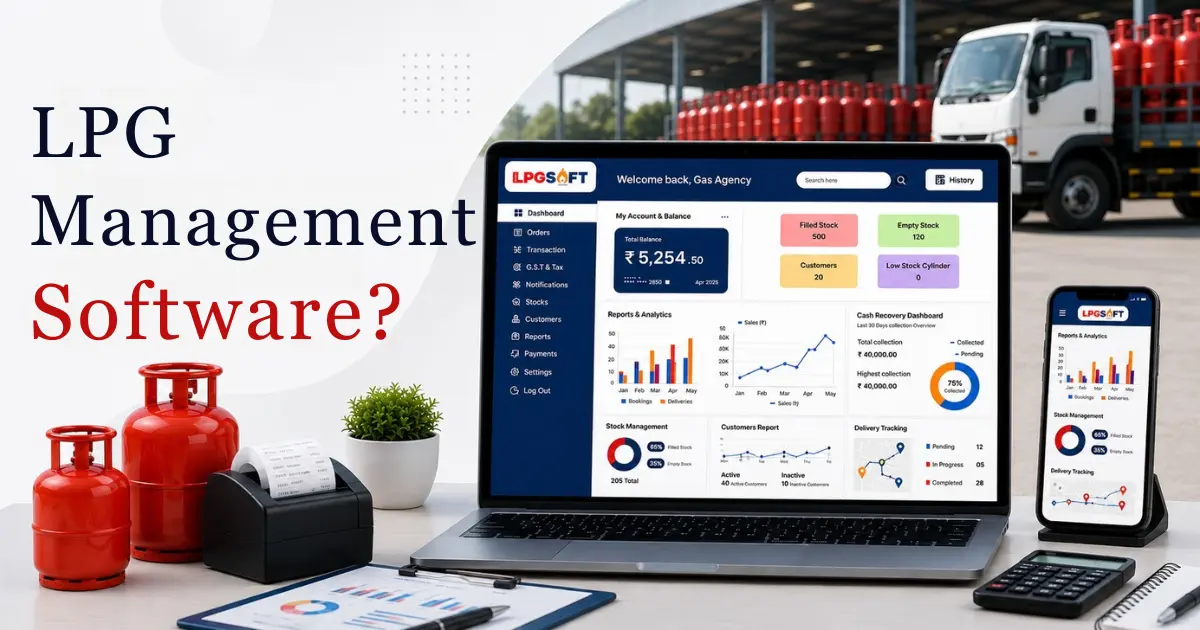
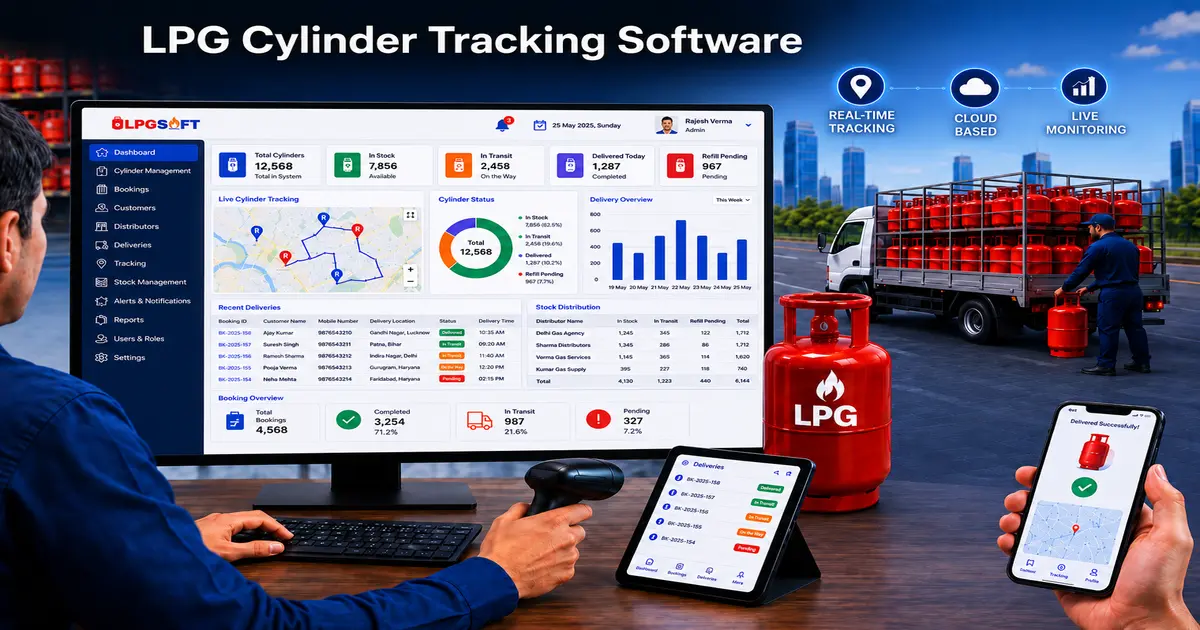
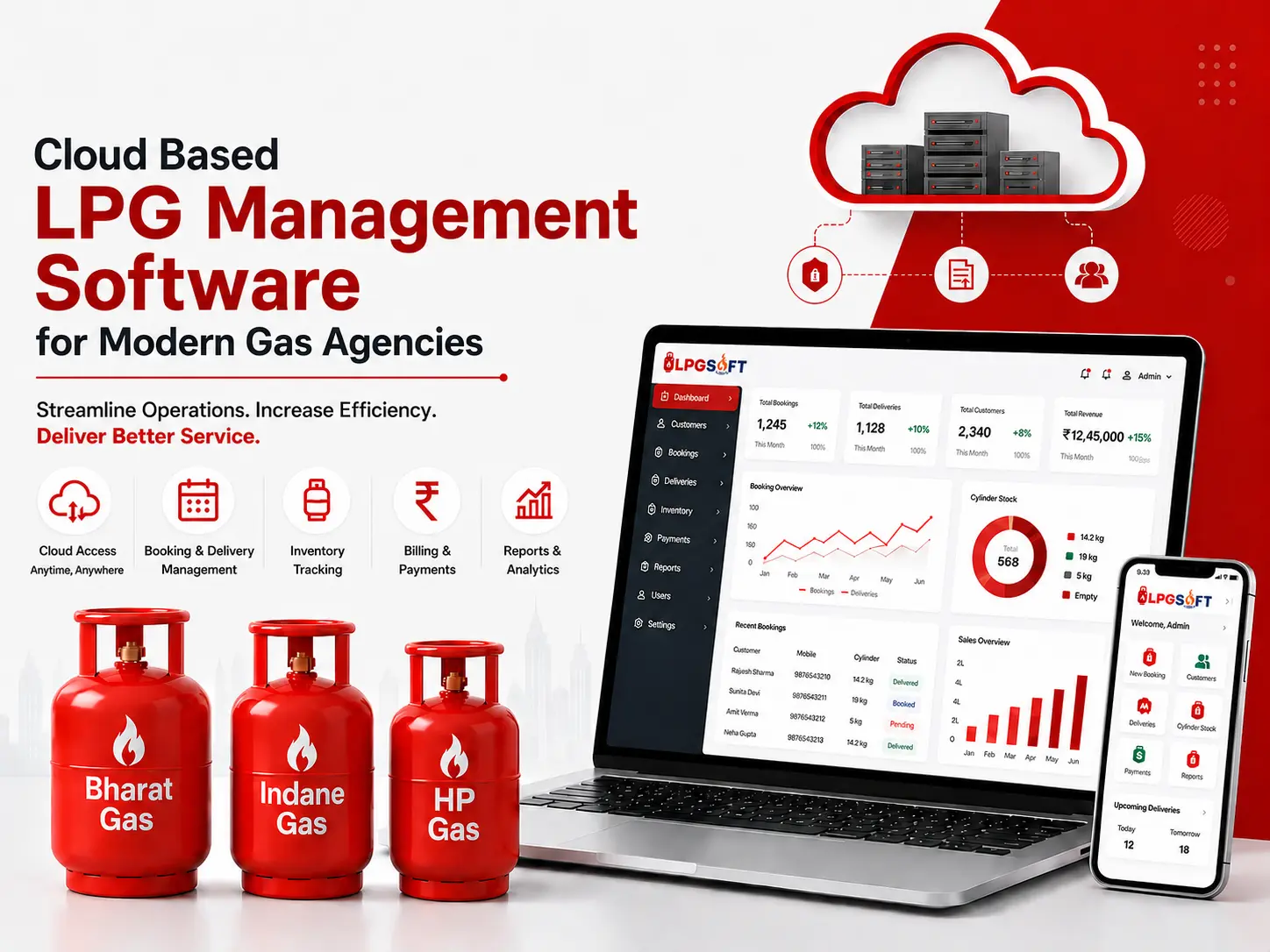
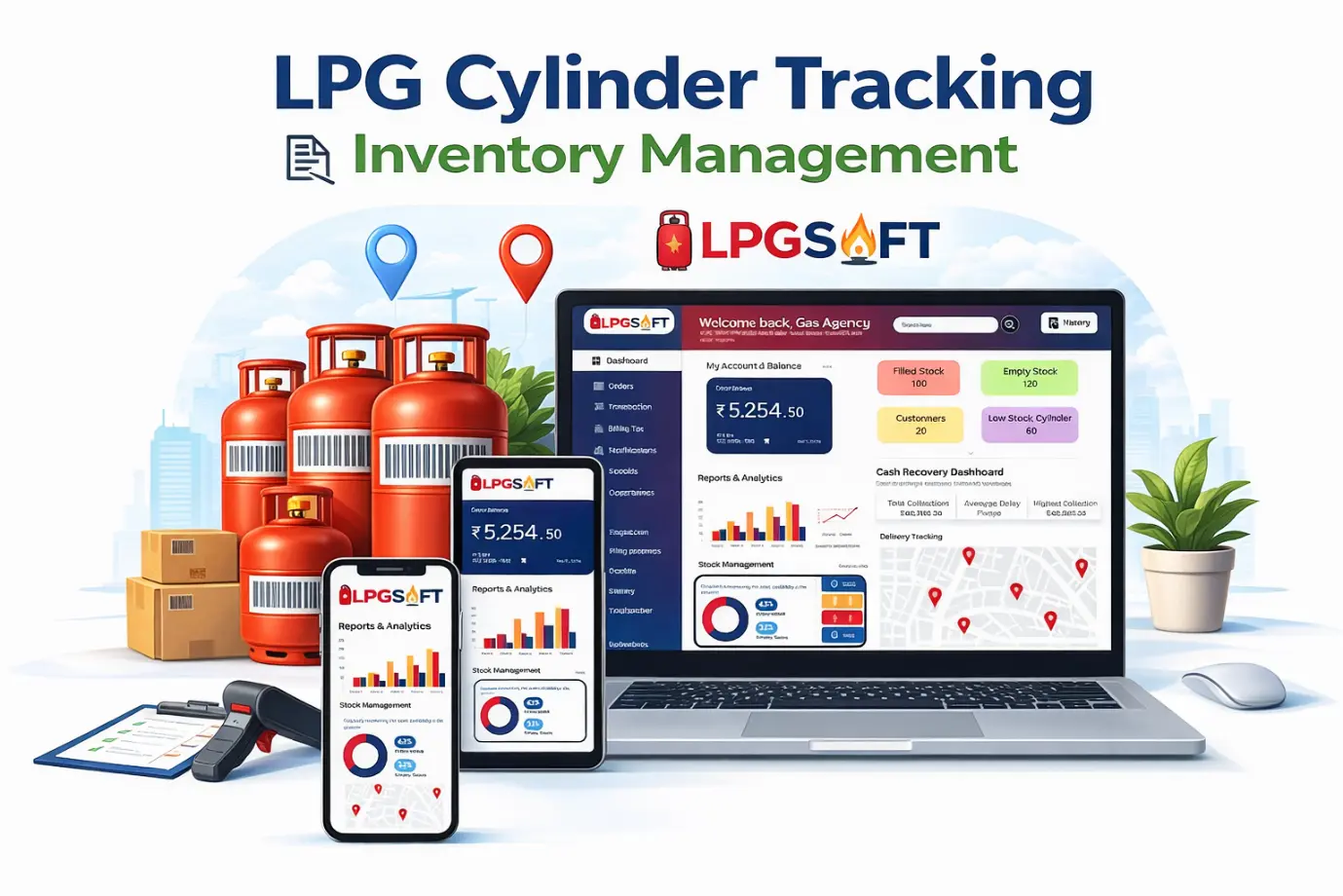
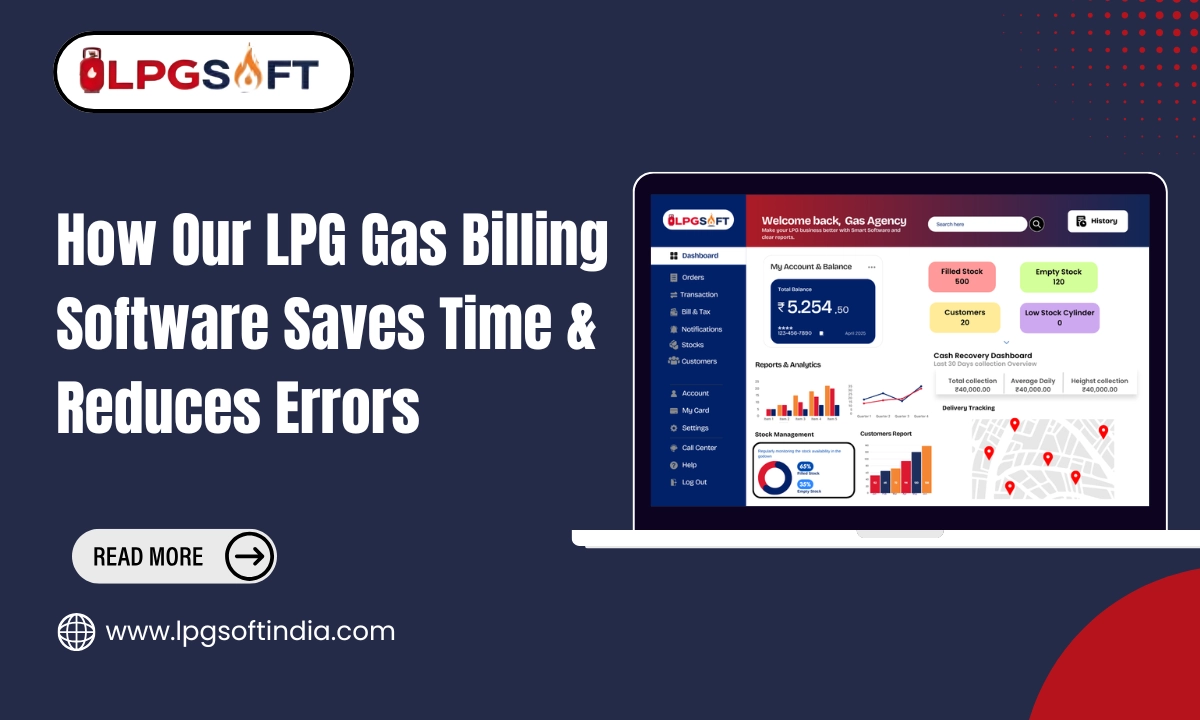
LPGSoft brings important LPG agency operations into a centralized system, including order management, delivery planning, staff assignment, route-based assignment, delivery status tracking, cylinder returns, and delivery reports. It also supports customer notifications through WhatsApp.
With a connected delivery workflow, an agency can move from:
Customer Booking → Order Management → Delivery Assignment → Route-Based Delivery → Delivery Status → Cylinder Return → Reporting
This gives managers better visibility into daily delivery operations instead of relying entirely on separate registers or manual tracking.
The objective is not simply to send more vehicles onto the road. It is to organize existing delivery resources more effectively and maintain better control over the entire delivery process.
LPG Delivery Route Planning Checklist
Before planning daily LPG deliveries, check:
- Are pending orders identified?
- Are nearby customers grouped together?
- Is delivery workload distributed appropriately?
- Are delivery staff assignments recorded?
- Are priority deliveries identified?
- Is cylinder availability confirmed?
- Can managers track delivery status?
- Are completed deliveries recorded?
- Are empty cylinder returns tracked?
- Can delivery performance be reviewed through reports?
Using a consistent checklist can help agencies make daily delivery planning more systematic.
Final Thoughts
Efficient LPG delivery is not only about reaching customers quickly. It involves coordinating orders, locations, delivery staff, vehicles, cylinders, customer communication, and delivery status.
A structured route planning process can help LPG agencies reduce unnecessary travel, control avoidable fuel costs, improve staff utilization, and maintain better visibility over pending and completed deliveries.
For agencies looking to move beyond manual delivery planning, LPGSoft provides delivery management capabilities that connect orders, staff assignments, route-based delivery, status tracking, cylinder returns, reporting, and customer notifications in one system.
Want to see how LPGSoft can fit your LPG agency's delivery workflow? Request a demo and explore the features relevant to your business.
FAQ’S
LPG agencies can plan delivery routes by grouping customers based on location, considering delivery workload and priority, and tracking assigned, pending, and completed deliveries.
Effective route planning can reduce unnecessary travel, repeated trips, backtracking, and idle delivery time, helping LPG agencies control avoidable fuel consumption and vehicle operating costs. LPG Delivery Route Planning
Manual LPG delivery planning can result in location-based assignment issues, excessive travel time, higher fuel consumption, difficulty monitoring pending deliveries, and uneven workloads among delivery staff. LPG Delivery Route Planning
LPG delivery management software should support delivery assignment, route-based assignment, delivery status tracking, delivery staff management, cylinder return tracking, delivery reports, and customer notifications. LPG Delivery Route Planning
Yes. A centralized delivery system can provide visibility into pending, assigned, in-progress, completed, and delayed orders, making it easier for managers to monitor daily delivery operations and respond to customer queries.