
LPG Soft
28th July 2026
7 LPG Agency Expenses That Reduce Profit Margins
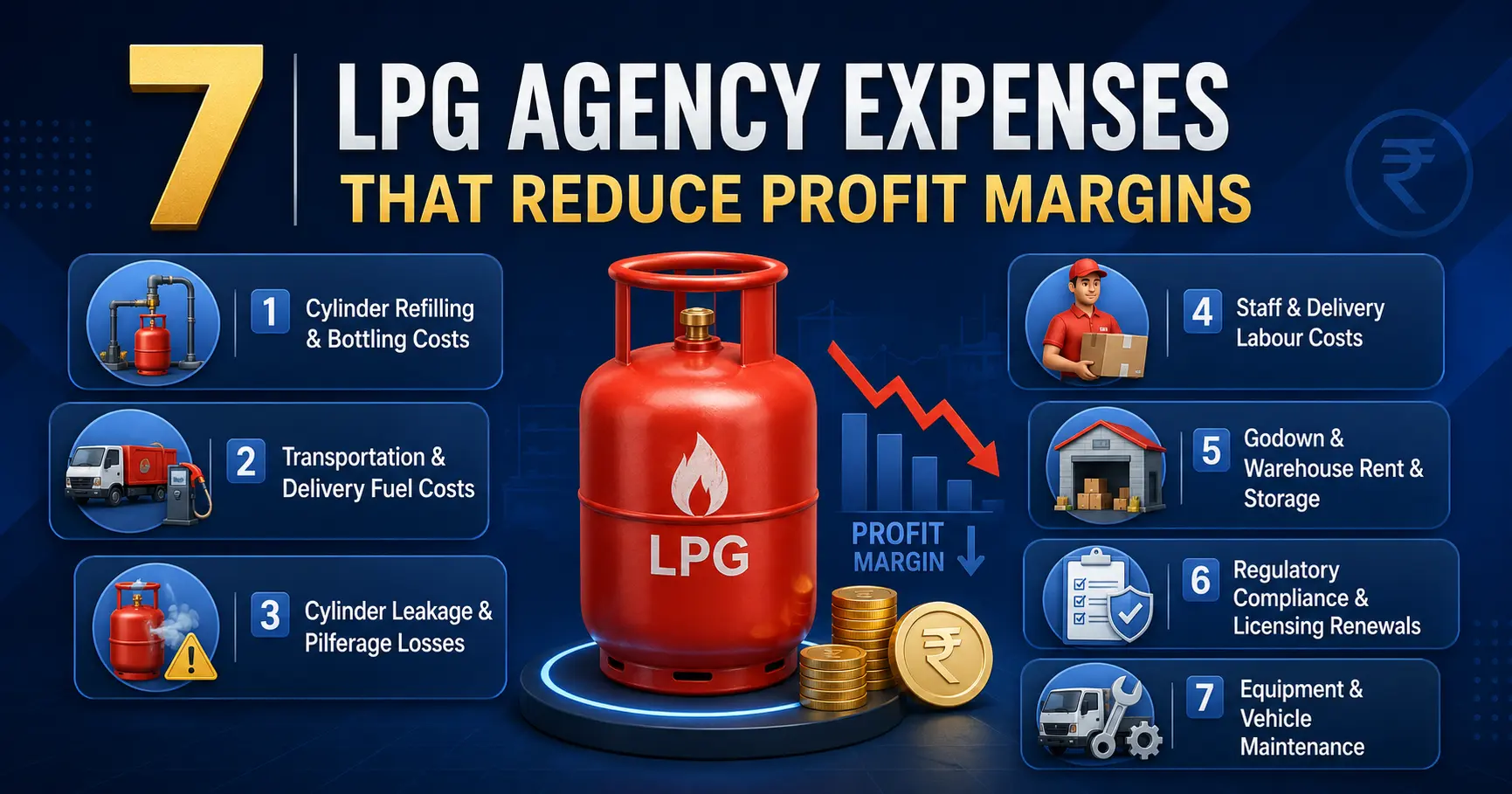
LPG agencies lose profit margins daily through untracked costs like cylinder refilling, transport fuel, pilferage, and staff overhead. The 7 key expenses to track daily are cylinder refilling and bottling costs, transportation and delivery fuel, cylinder leakage or pilferage losses, staff and delivery labour, go down rent and storage, regulatory compliance and licensing, and equipment maintenance. Tracking these daily with software like LPGSoft gives owners real-time margin visibility instead of discovering losses at month-end.
Most LPG distributors run on thin, regulated margins. A few rupees lost per cylinder across hundreds of daily transactions adds up to a serious dent in monthly profit and most of it never shows up until the books are closed. Here are the seven expense categories that quietly erode margins, and how to keep each one under control.
1. Cylinder Refilling & Bottling Costs
Refilling and bottling costs are the direct cost of getting gas into a sellable cylinder, and even small per-unit variances compound fast across daily volume.
Bottling plant charges, transfer losses during filling, and rate fluctuations from the parent oil company all factor in here. Agencies that don't track this daily often only notice a cost creep when quarterly numbers come in below expectation.
How to control it :
- Reconcile bottling plant invoices against delivered cylinder counts daily, not monthly
- Track per-cylinder filling cost trends over time to catch creeping rate changes early
- Flag any batch with unusual weight or fill-level variance for immediate follow-up
2. Transportation & Delivery Fuel Costs
Fuel and vehicle running costs for daily delivery routes are one of the most volatile line items in an LPG agency's budget.
Fuel price swings, inefficient route planning, and idle vehicle time all inflate this cost silently. A delivery fleet running unoptimized routes can burn 15–20% more fuel than necessary without anyone noticing on a day-to-day basis.
How to control it :
- Log fuel cost per delivery route, not just total fuel spends
- Compare planned vs. actual delivery routes weekly to spot inefficiencies
- Track fuel cost as a percentage of delivered cylinder revenue to catch drift early
3. Cylinder Leakage & Pilferage Losses
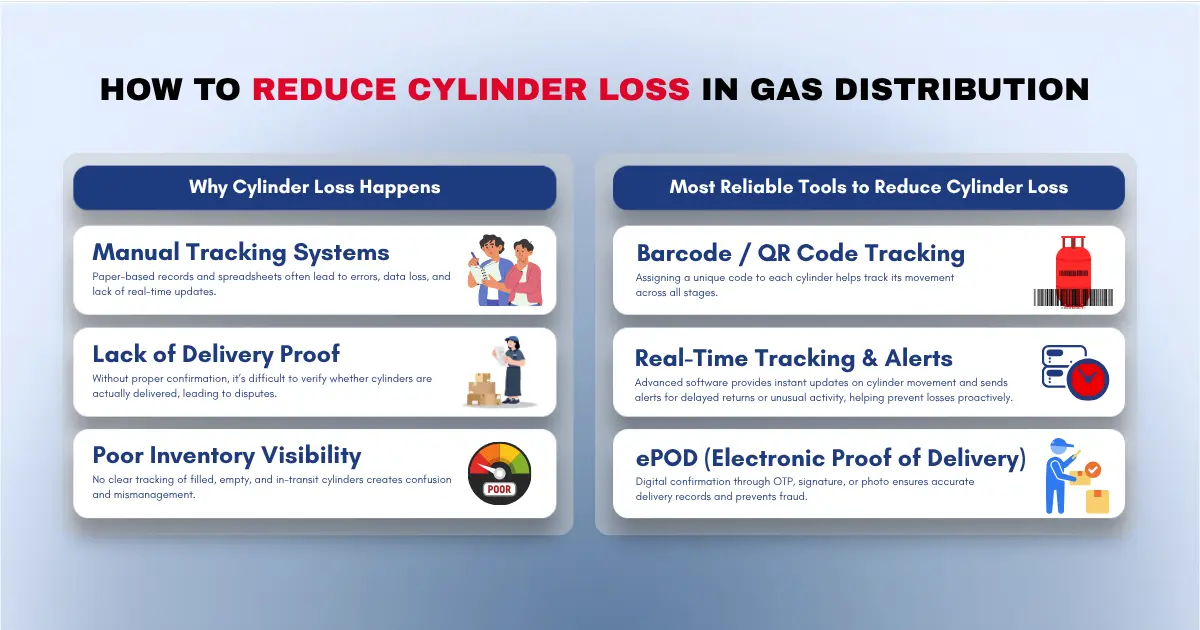
Cylinder leakage and pilferage refer to gas or stock lost between the godown and the customer, whether from faulty valves, theft, or short deliveries.
This is one of the hardest costs to detect because it doesn't show up as a single invoice it shows up as a gap between stock records and actual inventory. Left unchecked, pilferage alone can account for a meaningful share of monthly margin loss for agencies without daily reconciliation.
How to control it :
- Match daily stock-out numbers against daily stock-in and sales records without exception
- Use tamper-evident seals and log seal numbers per delivery
- Investigate any daily variance above a set threshold immediately, rather than waiting for month-end audits
4. Staff & Delivery Labour Costs
Labour costs cover delivery staff wages, overtime, and godown handling staff costs that scale with volume but are easy to under-track on a daily basis.
Overtime creep, inefficient staff-to-delivery ratios, and informal cash payments are common blind spots. Agencies that only review labour cost monthly often miss the specific days or routes driving overtime spend.
How to control it :
- Track daily delivery volume per staff member to spot inefficiencies early
- Monitor overtime hours daily rather than approving them in a lump sum at month-end
- Set a target delivery-to-labour-cost ratio and flag daily deviations
5. Godown & Warehouse Rent & Storage
Godown rent and storage costs are largely fixed, but the cost per cylinder stored is a variable worth tracking daily since it shifts with inventory turnover.
When stock sits too long or storage space is underutilized, the effective cost per cylinder rises even though rent stays flat. This is an easy expense to ignore since the invoice itself doesn't change month to month.
How to control it :
- Track daily inventory turnover to calculate real storage cost per cylinder
- Identify slow-moving stock that's tying up paid storage space
- Reassess storage layout periodically to maximize usable capacity
6. Regulatory Compliance & Licensing Renewals
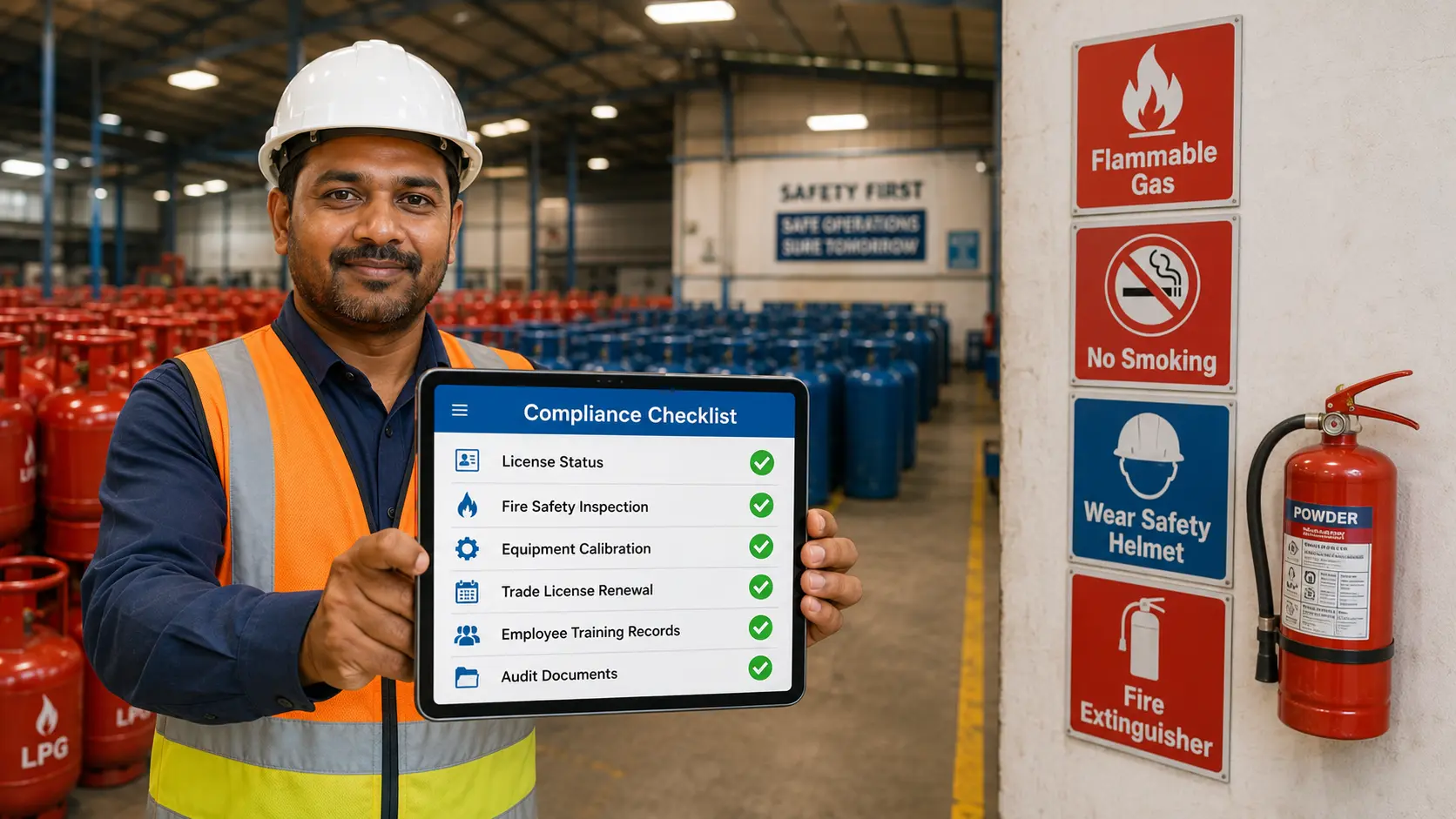
Compliance costs include licensing renewals, safety certifications, and regulatory fees that are periodic but easy to miss until a deadline creates an emergency cost or penalty.
Missed renewal windows often lead to expedited fees, fines, or forced downtime all of which are avoidable with a simple tracking calendar. Agencies rarely think of compliance as a "daily" expense, but daily tracking of renewal timelines prevents costly last-minute scrambles.
How to control it :
- Maintain a running calendar of all license and certification expiry dates
- Set renewal reminders 60–90 days in advance to avoid rush fees
- Track compliance-related costs separately from operational costs for clearer reporting
7. Equipment & Vehicle Maintenance
Maintenance costs cover delivery trucks, weighing scales, safety gear, and handling equipment expenses that are cheap to manage proactively and expensive to manage reactively.
Deferred maintenance often turns a small daily repair cost into a large emergency breakdown cost, plus the added expense of delivery delays. Daily equipment checks are far cheaper than the downtime caused by unexpected failures.
How to control it :
- Log daily vehicle and equipment checks, however brief, rather than relying on annual servicing alone
- Track maintenance cost per vehicle over time to identify chronically expensive assets
- Budget a small daily maintenance reserve instead of treating repairs as unplanned expenses
LPG Agency Daily Expense Checklist
| Expense | Typical Monthly Impact | How to Track It |
|---|---|---|
| Cylinder Refilling & Bottling | High | Daily invoice reconciliation |
| Transportation & Fuel | High | Per-route fuel logging |
| Leakage & Pilferage | Medium–High | Daily stock reconciliation |
| Staff & Labor | Medium | Daily delivery-to-labor ratio |
| Godown & Storage | Medium | Daily turnover tracking |
| Compliance & Licensing | Low–Medium (spikes at renewal) | Renewal calendar |
| Equipment Maintenance | Medium | Per-vehicle cost logging |
How LPGSoft Helps You Track These Expenses Automatically
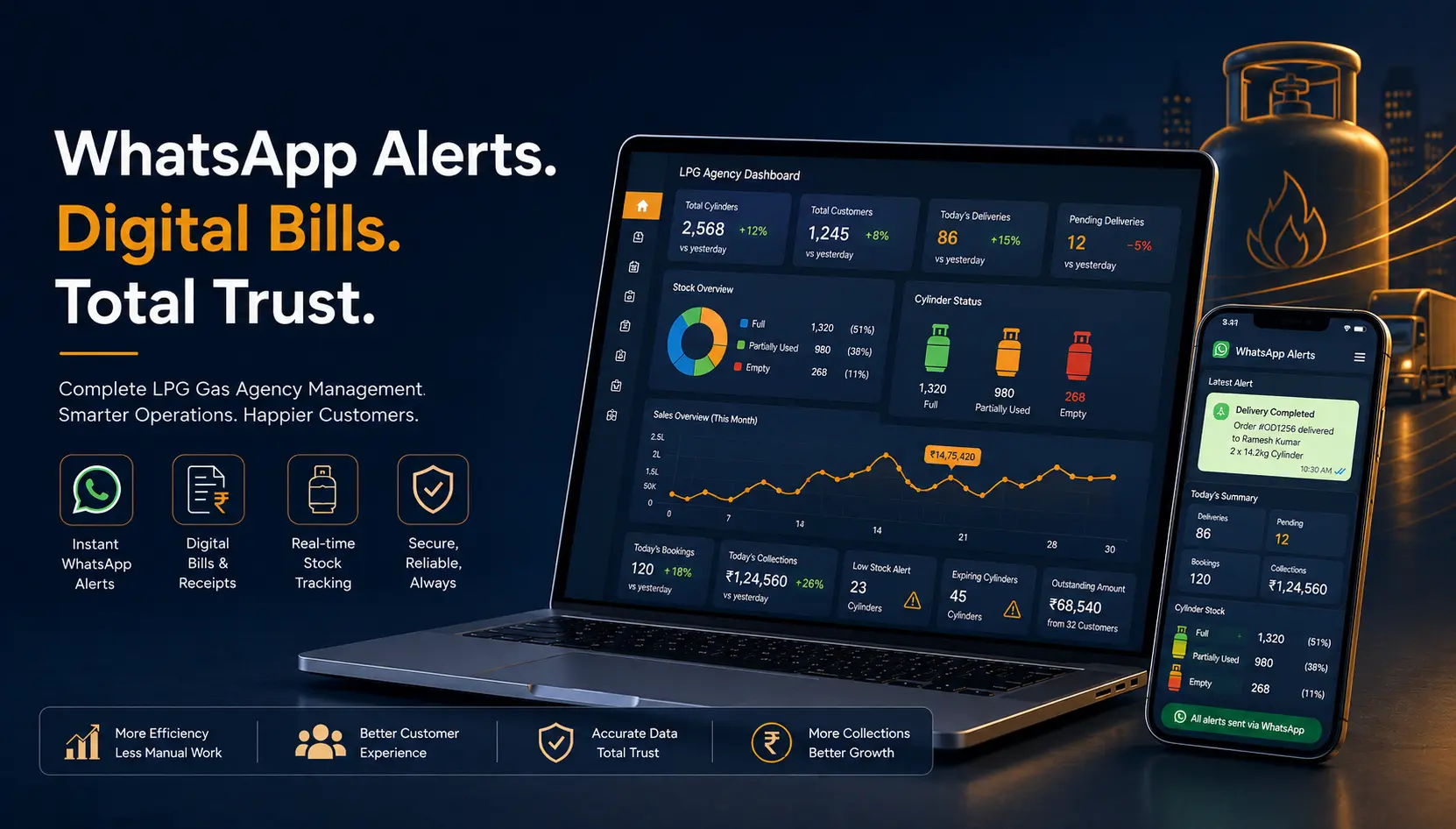
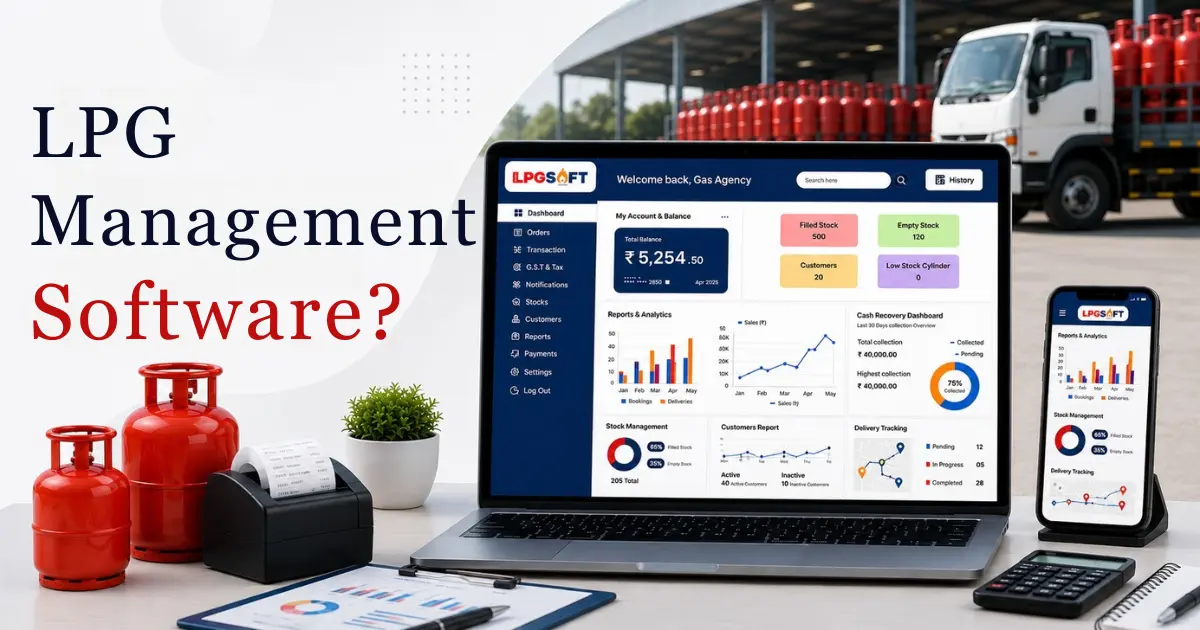
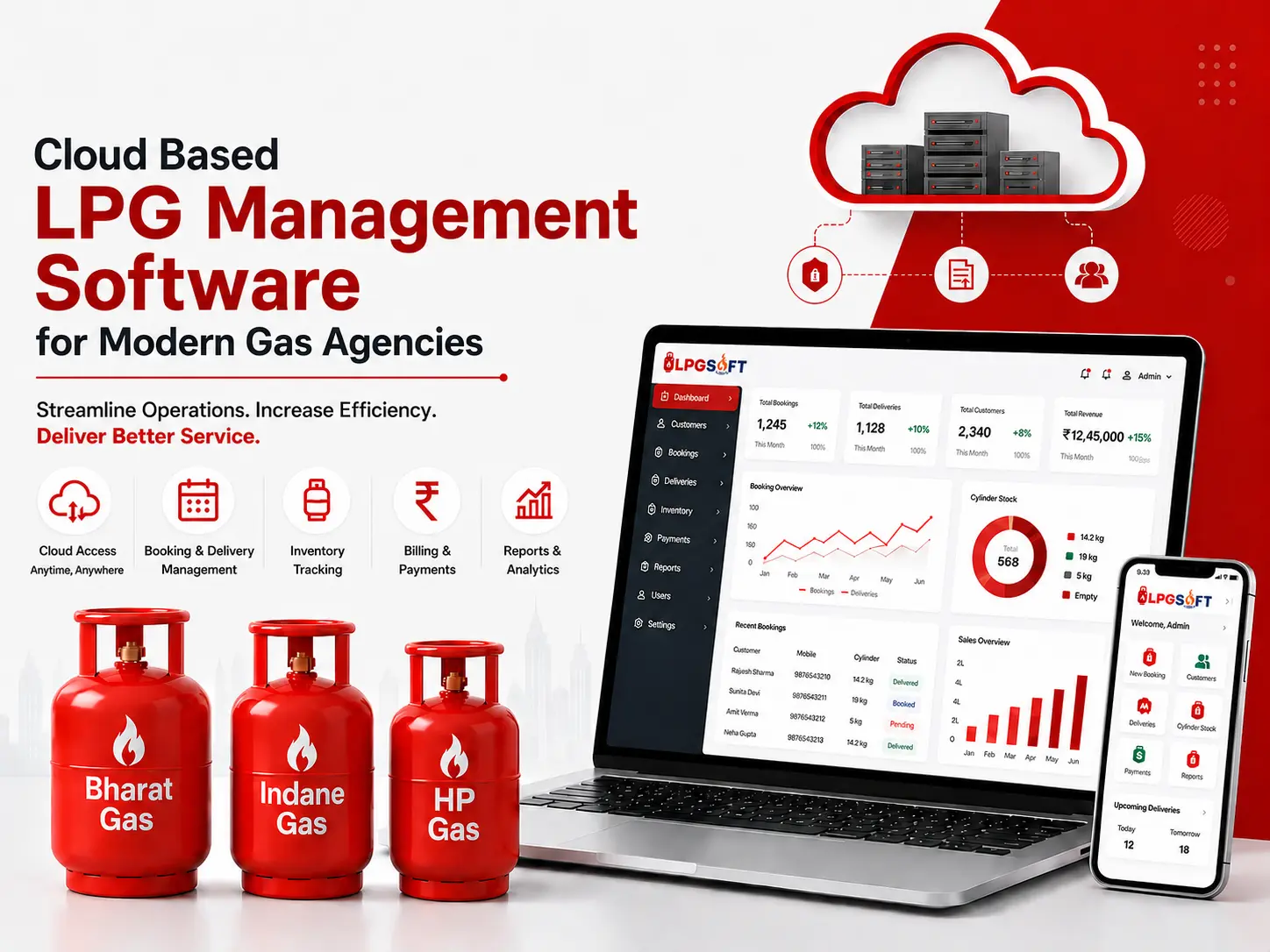
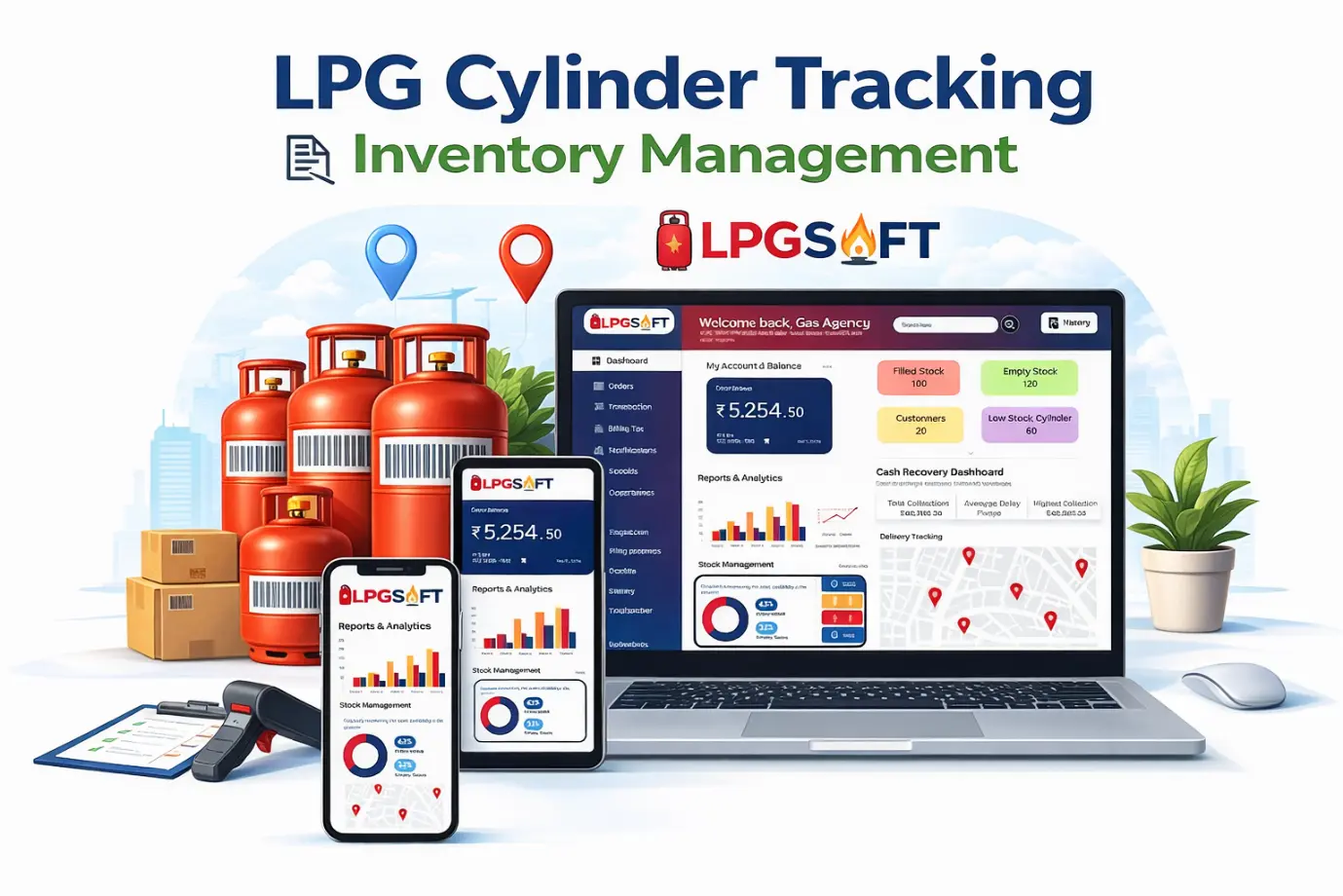
Manually reconciling seven different cost categories every day isn't realistic for most agency owners which is exactly the gap LPGSoft is built to close.
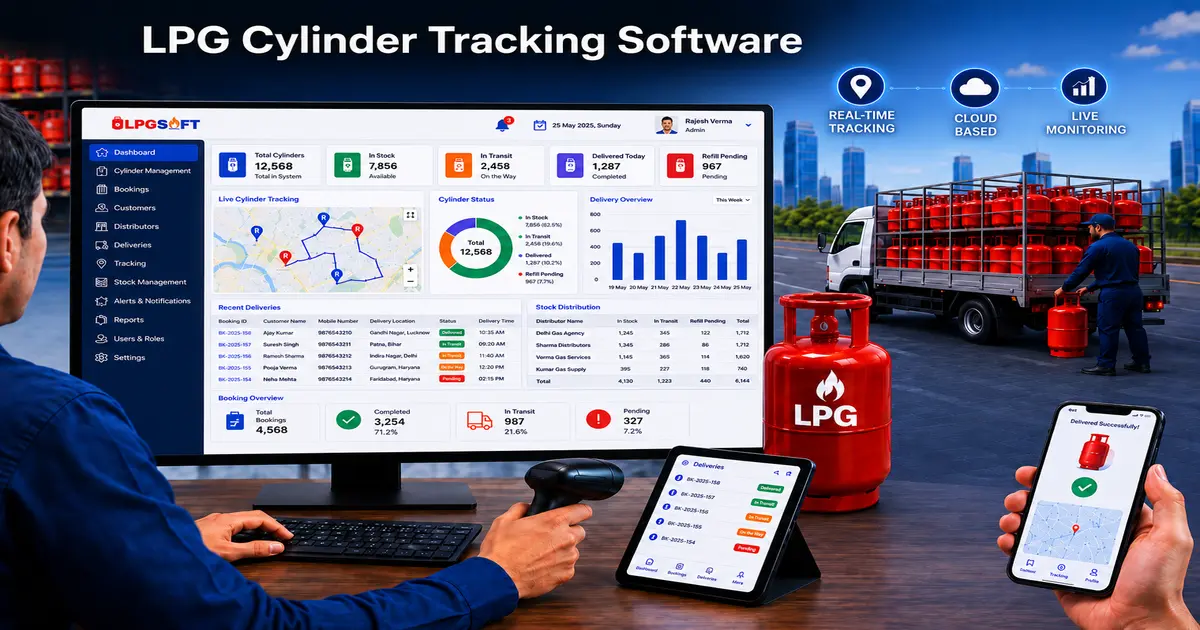
- Automatic daily stock reconciliation to catch leakage and pilferage as it happens
- Route-level fuel and delivery cost tracking without manual spreadsheets
- Renewal reminders for licenses and certifications built into the dashboard
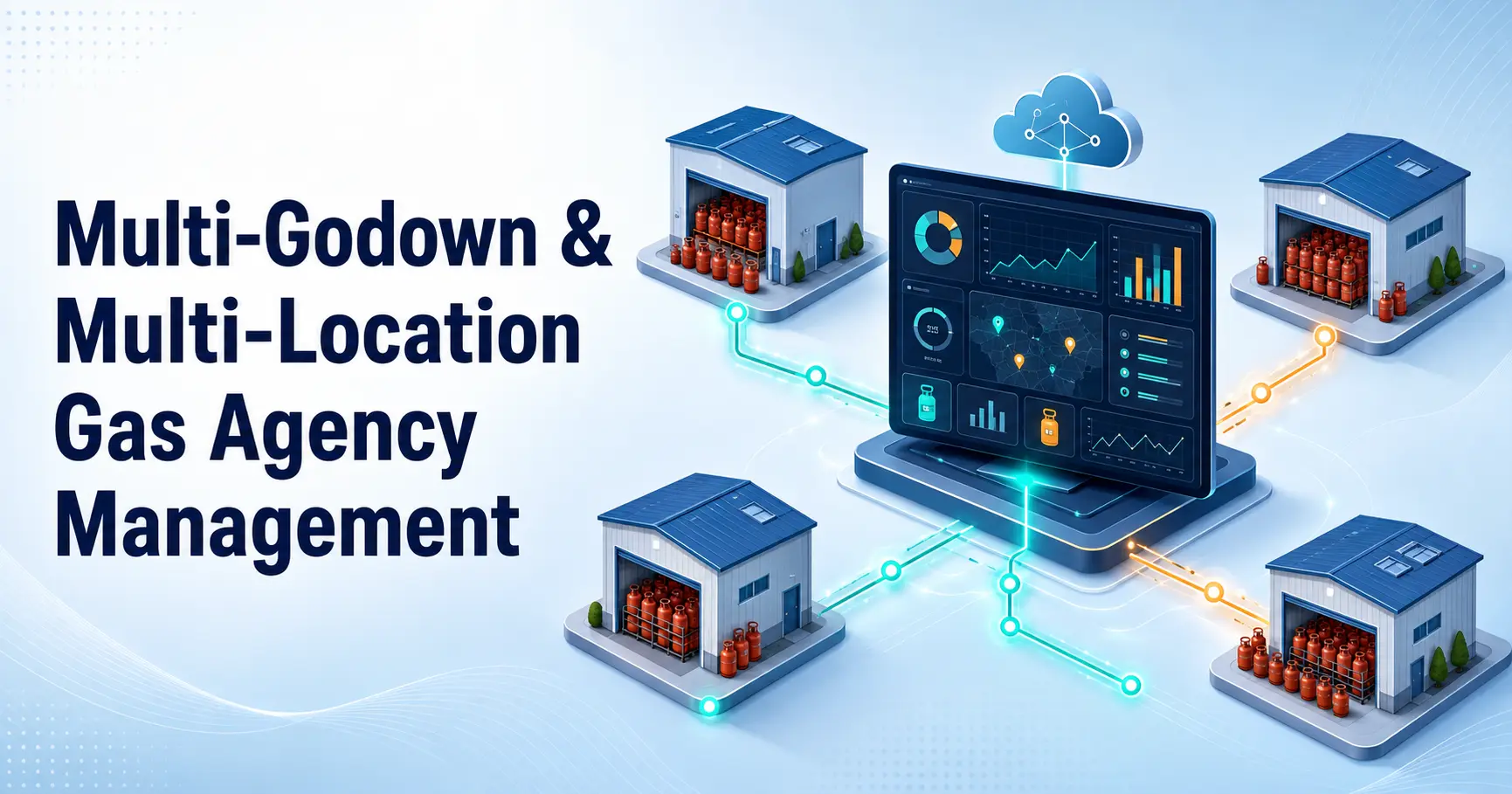
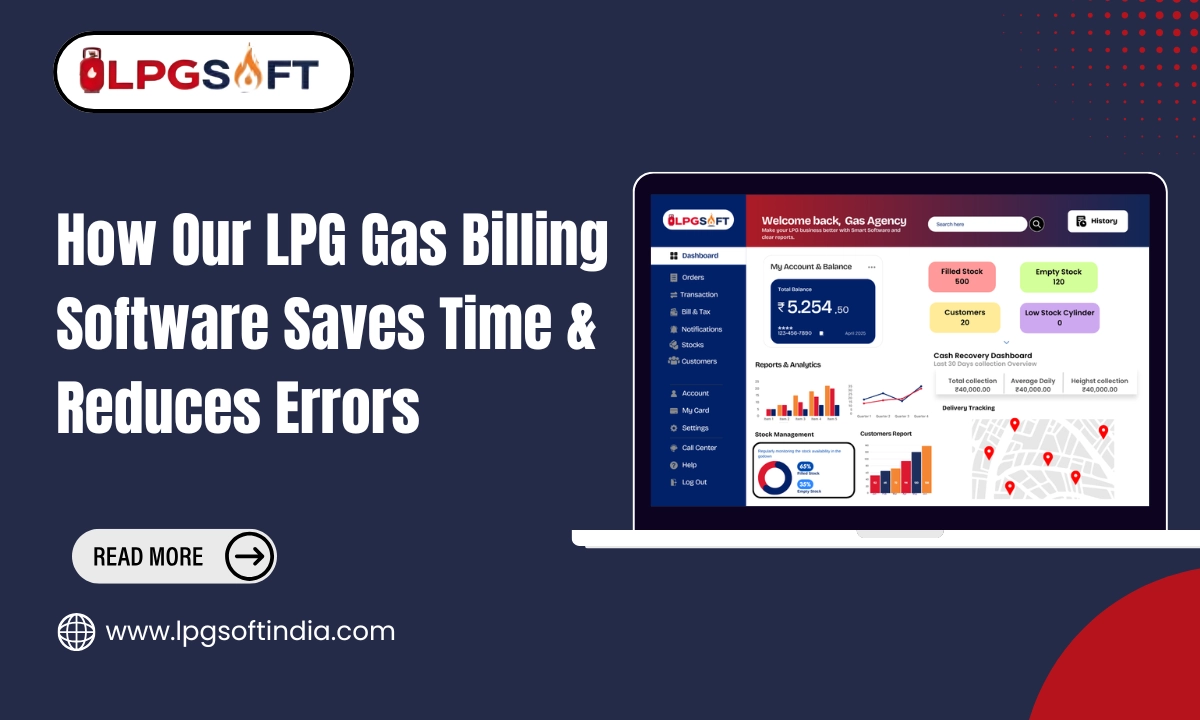
- One consolidated view of all seven expense categories instead of scattered registers, updated in real time
- Ready to stop discovering losses at month-end? See how LPGSoft turns these seven expense categories into one daily dashboard
Conclusion:
None of these seven expenses is dramatic alone a slightly high fuel bill, a small stock variance, a delayed repair. But tracked only at month-end, they quietly decide whether an agency's margin holds or erodes. Ready to see it for your agency? Get in touch with our team the agencies that protect their margins catch these variances daily, not monthly. LPGSoft was built for exactly this one dashboard that flags cost issues as they happen. For more agency tips like these, explore the full LPGSoft blog.
FAQ’S
Daily reconciliation of stock-in and stock-out numbers, tamper-evident seals with logged seal numbers, and immediate investigation of any variance are the most effective ways to catch and reduce pilferage before it compounds into a significant monthly loss.
Purpose-built LPG distribution software like LPGSoft tracks cylinder stock, delivery routes, fuel costs, and compliance deadlines in one dashboard, replacing manual registers and reducing the daily reconciliation workload for agency owners.
LPG distributor margins are largely regulated and tend to be thin on a per-cylinder basis, which is why controlling daily operational costs rather than relying on price increases is the primary lever agencies have to protect overall profitability.
Cylinder leakage and pilferage is often the largest hidden cost, since it doesn't appear as a single invoice line item and typically only becomes visible through daily stock reconciliation rather than monthly accounting.
Daily review is recommended for volatile costs like fuel, stock variance, and labour, while compliance and equipment maintenance costs can be reviewed on a rolling weekly or monthly basis with calendar-based reminders for deadlines.