
LPG Soft
1st August 2026
Why Commercial LPG Prices Keep Changing But Domestic Prices Stay the Same
Most people who use LPG at home or run a business that depends on it have noticed something confusing: commercial cylinder prices seem to change almost every month, while domestic cylinder prices barely move. This isn't random. There's a clear reason behind it, and understanding it helps gas agencies, restaurant owners, and everyday customers make sense of their monthly gas bills.
Let's use the recent August 1, 2026 revision as a real example to explain how this works.
What Actually Happened on August 1, 2026
Oil marketing companies reduced the price of 19-kg commercial LPG cylinders across several Indian cities:
- Delhi: cheaper by ₹202
- Kolkata: cheaper by ₹209
- Chennai: cheaper by ₹200
- Similar cuts were seen in Mumbai, Bengaluru, and Hyderabad
At the same time, the 14.2-kg domestic cylinder, the one used in most homes, stayed exactly the same. No increase, no decrease. This wasn't an isolated case either. This is the second month in a row where commercial prices dropped, while domestic prices have remained unchanged since March.
Why Prices Dropped This Specific Month
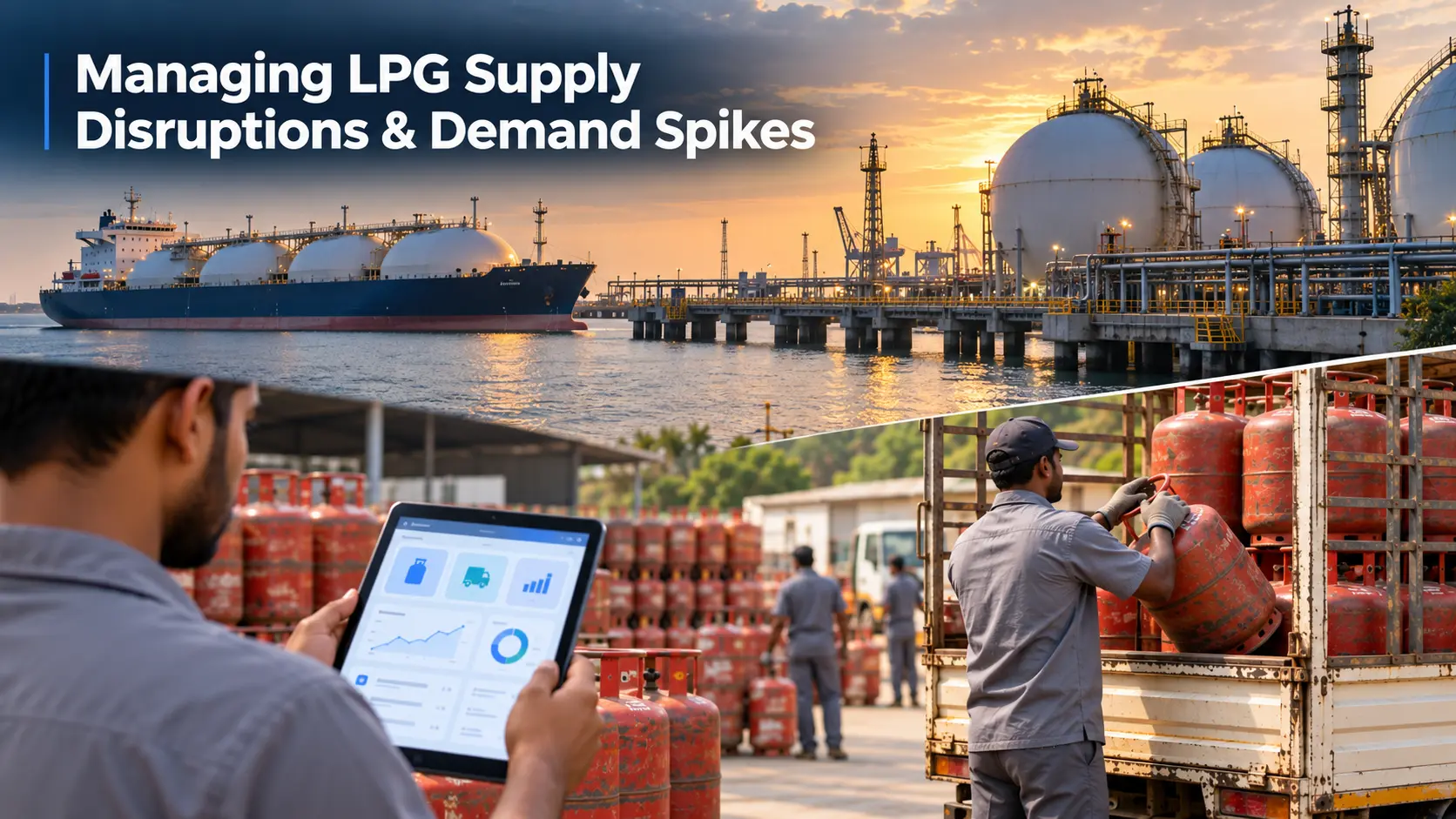
Between March and June 2026, commercial LPG prices had gone up sharply, rising by a combined ₹1,345 across four separate hikes. The reason was supply pressure linked to the West Asia conflict, which pushed up global crude oil and LPG prices during that period.
From July onward, that pressure started easing:
- Global crude oil and LPG prices softened as the supply situation stabilised
- This allowed oil companies to reverse part of the earlier hikes, first with a ₹183.50 cut on July 1, and now with this second, larger cut on August 1
In short, this wasn't a one-off discount. It's the market correcting itself after months of price increases, and it's a direct result of global oil costs coming down, not a policy decision or a festival offer. If international prices rise again, commercial rates can just as easily go back up next month.
The Core Reason: Two Different Pricing Systems
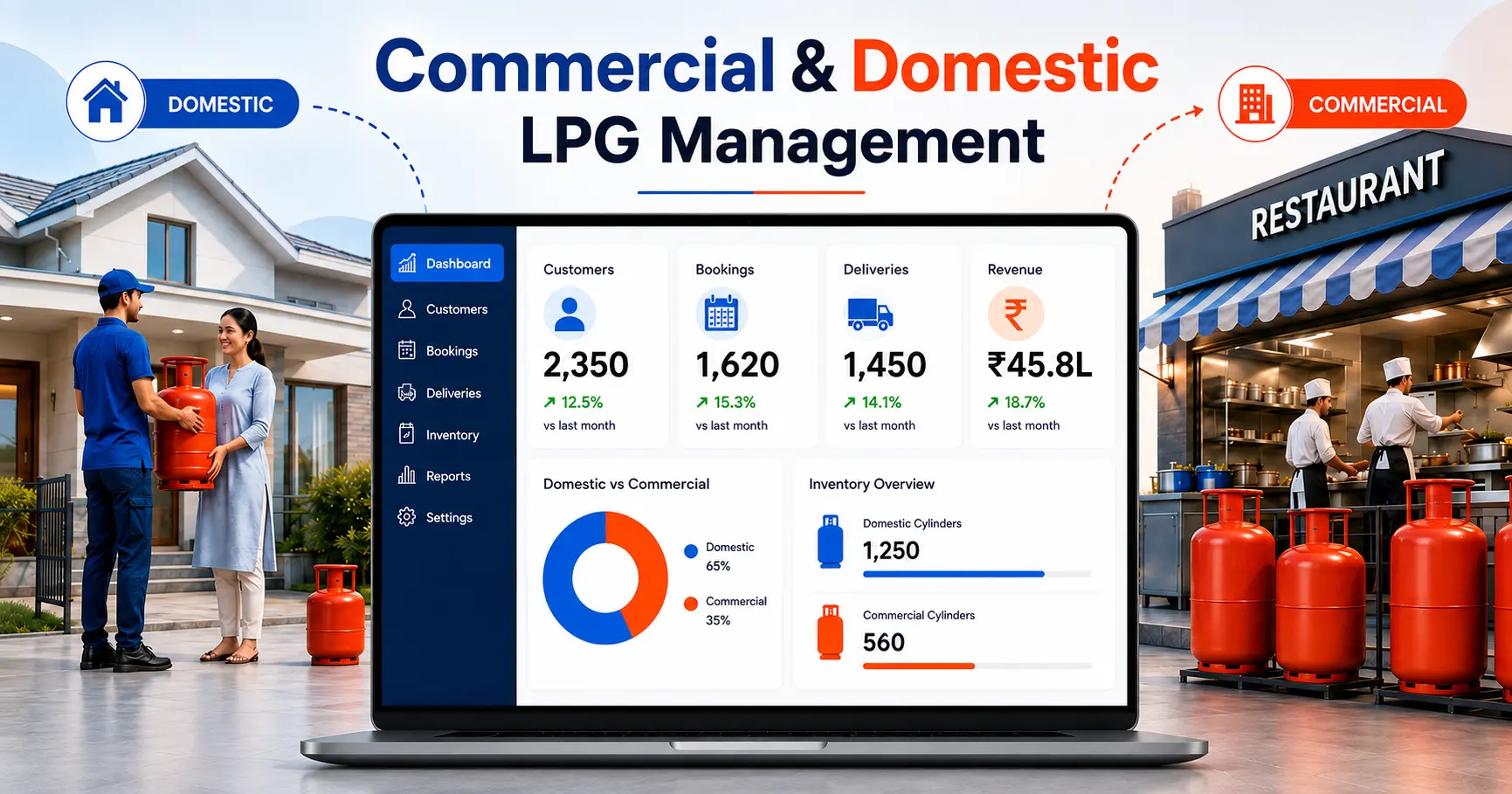
India actually runs two separate pricing models for LPG, one for households and one for businesses.
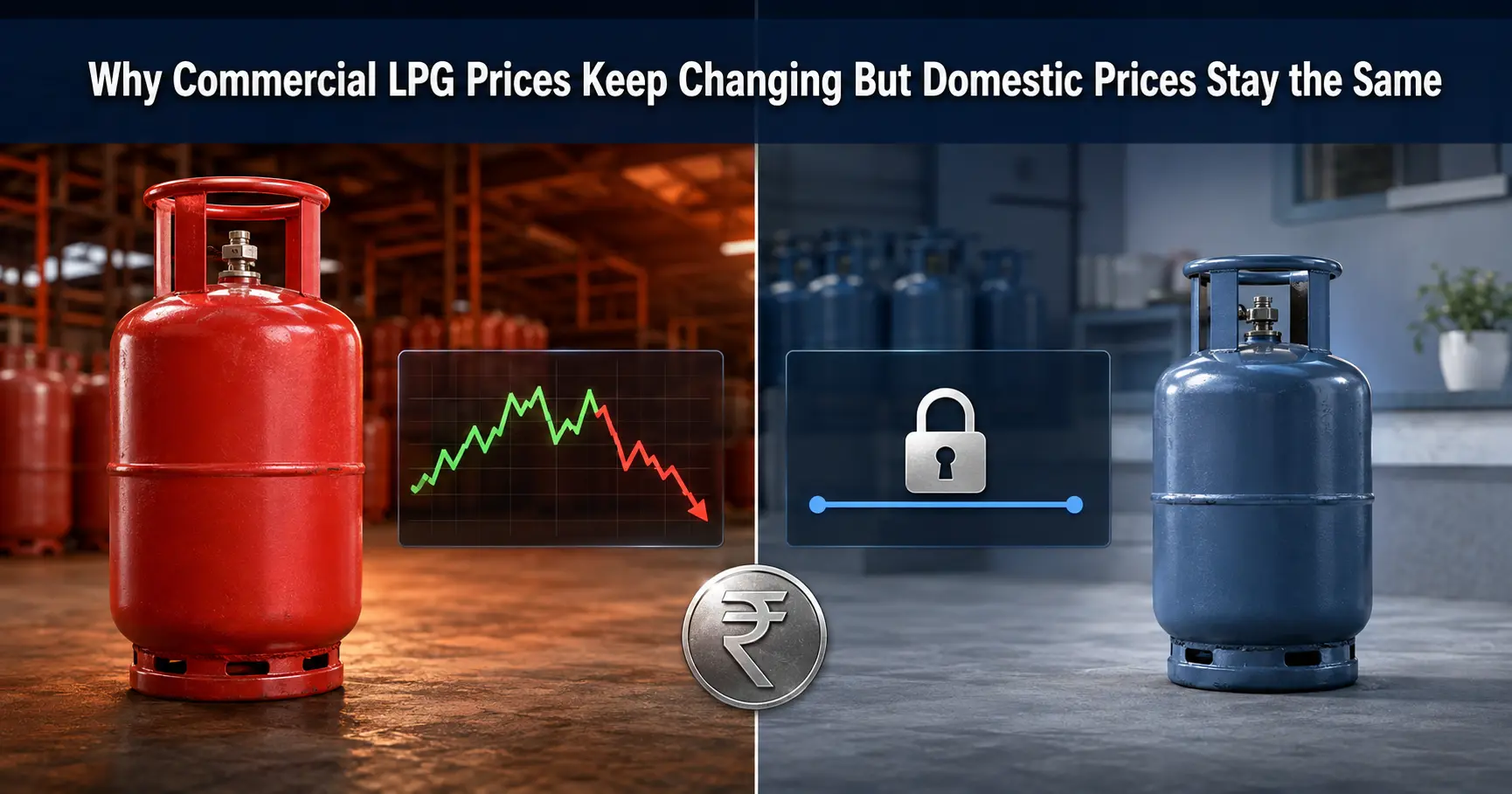
Domestic LPG (14.2-kg) is subsidised. The government keeps this price controlled and stable so that households aren't affected by sudden swings in global oil markets. Even if crude oil prices spike internationally, the price a family pays for their kitchen cylinder generally stays the same until the government specifically decides to revise it, which happens far less often.
Commercial LPG (19-kg) is market linked. This is the cylinder used by restaurants, hotels, caterers, and other businesses. Its price is not protected the same way. Oil companies revise it on the 1st of every month, based on two main factors:
- International LPG and crude oil prices — since India imports a large
- The rupee-to-dollar exchange rate — since these purchases are made in dollars
Because both of these factors shift constantly, commercial LPG prices move nearly every month, sometimes up, sometimes down, depending on what's happening globally.
Why This Difference Matters
This isn't just a pricing detail, it directly affects two different groups differently:
- Households get predictability. Whether global oil prices rise or fall, their monthly cooking gas cost usually stays steady.
- Businesses face more volatility. A restaurant or hotel using commercial cylinders has to adjust its cost planning almost every month, since the price they pay today could be different next month.
This is also why, over time, you'll notice commercial LPG cylinder prices are significantly higher than domestic ones, even though a commercial cylinder only holds about a third more gas by weight. The subsidy gap, combined with market-linked pricing, creates that difference.
What This Means Going Forward
Commercial LPG pricing will likely keep changing every month, since it's tied to global markets that are rarely stable for long. Domestic pricing, on the other hand, will probably continue to stay fixed unless there's a broader policy decision to revise it, as has happened in the past during major cost pressures.
For anyone running a business that depends on commercial LPG, from small eateries to large hotel chains, understanding this monthly pattern isn't just useful information. It's part of managing operating costs realistically, since gas expenses are never going to be a fixed number month to month the way they are for a household.