
LPG Soft
5th Nov 2026
LPG Distribution Business Growth in India: Opportunities and Challenges in 2027
India's LPG distribution industry has experienced significant growth over the past decade, supported by expanding household connections, rural distribution networks, government initiatives and increasing adoption of LPG as a cooking fuel. From domestic households to hotels, restaurants and commercial establishments, LPG continues to play an important role in India's energy distribution sector.
According to the Ministry of Petroleum and Natural Gas, India's active domestic LPG connections increased from 14.52 crore in 2014 to 32.94 crore as of March 2025. The LPG distributor network also expanded from 13,896 distributors in April 2014 to 25,481 in April 2024. These developments reflect the expansion of LPG accessibility and distribution infrastructure across the country.
As India moves towards 2027, the LPG distribution business presents opportunities for existing distributors and entrepreneurs interested in the energy distribution sector. However, business expansion also brings challenges related to supply availability, transportation expenses, customer expectations, regulatory compliance and operational efficiency.
Understanding these market developments can help LPG distributors identify growth opportunities, improve business operations and prepare for changing industry requirements.
In this article, we explore the growth of the LPG distribution business in India, emerging opportunities, major industry challenges and the future outlook for 2027.
1. Current Growth of the LPG Distribution Business in India
India's LPG distribution sector has expanded considerably through government initiatives, increasing household energy access and improvements in distribution infrastructure.
The Pradhan Mantri Ujjwala Yojana (PMUY), launched in May 2016, has played an important role in expanding LPG connections among eligible households, particularly in rural and economically weaker communities.
Several developments demonstrate the expansion of India's LPG distribution market:
- Increasing LPG connections: More households have gained access to domestic LPG connections, expanding the customer base across urban and rural areas.
- Expansion of distributor networks: The number of LPG distributors has increased, improving distribution coverage across different regions.
- Growing LPG consumption: Household and commercial requirements continue to contribute to LPG demand.
- Improved distribution infrastructure: Bottling plants, storage facilities and transportation networks support LPG availability.
- Digital service adoption: Online refill bookings, digital payments and delivery authentication are changing customer service processes.
According to the Ministry of Petroleum and Natural Gas, the number of LPG distributors increased by approximately 83% between April 2014 and April 2024. Rural LPG distributors also recorded substantial expansion during this period.
These developments demonstrate the increasing importance of an organized distribution network in India's LPG market.
For existing gas agencies, this growth creates opportunities to strengthen customer relationships, improve distribution efficiency and manage increasing operational requirements.
Factors Driving LPG Market Growth in India in 2027
Several economic, infrastructural and consumer-related factors may influence the development of India's LPG distribution industry in 2027.
2.1 Expansion of Rural LPG Distribution Networks
Rural LPG distribution has been an important part of India's clean cooking fuel expansion.
Government initiatives have supported the establishment of additional LPG distributorships to improve access in villages, remote locations and underserved communities.
As rural connectivity and distribution infrastructure develop, gas agencies may find opportunities to serve additional customers and improve last-mile delivery operations.
However, successful expansion requires reliable transportation, adequate cylinder availability, delivery coordination and effective customer service.
2.2 Increasing Demand from Commercial Establishments
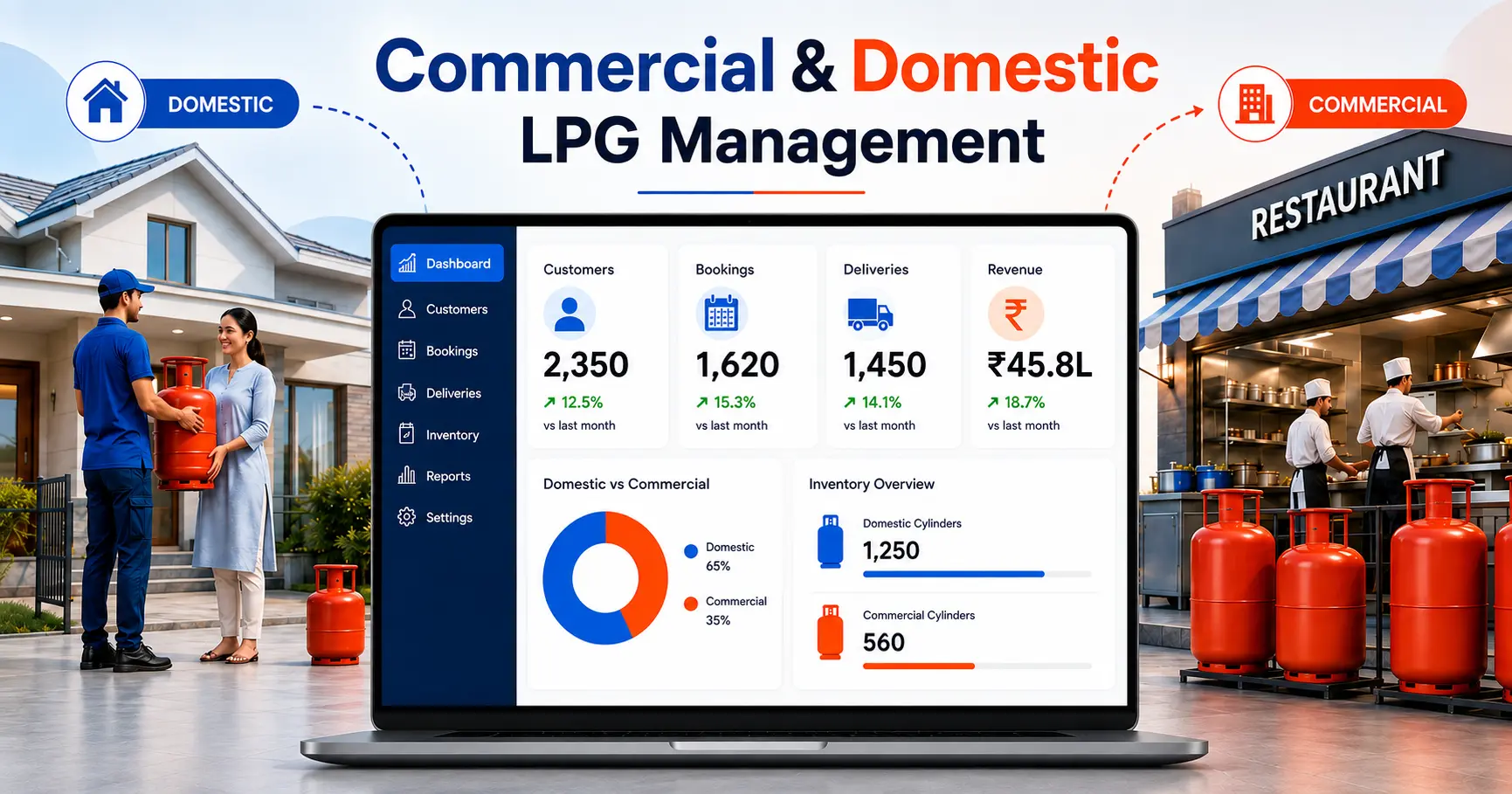
LPG is widely used by hotels, restaurants, catering businesses, institutional kitchens and other commercial establishments.
Commercial LPG distribution presents opportunities because businesses often have recurring cylinder requirements and different consumption patterns compared with domestic customers.
Distributors serving commercial customers need to focus on:
- Regular commercial cylinder availability.
- Timely delivery scheduling.
- Accurate billing and transaction records.
- Stock availability monitoring.
- Business customer relationship management.
Understanding the requirements of commercial customers can help distributors develop stronger business relationships and improve their service offerings.
2.3 Government Initiatives Supporting LPG Accessibility
Government programmes continue to influence LPG accessibility and distribution requirements.
The Pradhan Mantri Ujjwala Yojana has contributed significantly to increasing LPG connections among eligible households.
As customer coverage expands, distributors must maintain organized processes for customer information, refill services, cylinder distribution and customer support.
Government initiatives related to LPG infrastructure, rural distribution and consumer services will remain important factors for the industry's development.
2.4 Increasing Adoption of Digital LPG Services
Digital services are changing how customers interact with LPG providers.
Customers increasingly use online platforms and mobile applications for refill bookings, payment-related activities and service updates.
For distributors, this creates a need to manage customer interactions and internal operations more efficiently.
Digital customer records, organized delivery information and accurate transaction records can help gas agencies respond to changing customer expectations.
3. Business Opportunities for LPG Distributors in 2027
The changing LPG market presents several opportunities for existing gas agencies and entrepreneurs interested in the distribution sector.
3.1 Expanding Distribution Operations
As customer requirements increase, distributors may explore opportunities to strengthen their existing distribution capacity.
This can involve improving delivery coordination, reviewing transportation requirements, organizing stock availability and expanding service coverage where permitted.
Before expanding, business owners should evaluate local demand, operating costs, supply arrangements and applicable Oil Marketing Company (OMC) requirements.
3.2 Serving Commercial LPG Customers
Commercial LPG distribution offers opportunities to serve businesses with recurring cylinder requirements.
Hotels, restaurants, catering companies and institutional kitchens depend on reliable LPG supplies for their daily operations.
Distributors can strengthen this segment by providing dependable delivery coordination, accurate billing and organized customer service.
Understanding the consumption patterns of commercial customers can also help distributors plan stock requirements and delivery schedules.
3.3 Improving Customer Service and Retention
Customer satisfaction is important for maintaining long-term business relationships.
Customers expect accurate booking information, timely deliveries, clear communication and reliable support.
LPG agencies can improve their service processes by maintaining updated customer records, tracking service requests and organizing delivery information.
Better customer service can help agencies build trust, improve customer retention and develop stronger local business relationships.
3.4 Developing Rural and Regional Market Opportunities
Rural and semi-urban markets remain important areas of LPG distribution.
Distributors operating in these regions may identify opportunities to improve last-mile delivery, strengthen local customer relationships and support growing LPG accessibility.
However, expansion into new locations must be evaluated against distribution authorization, infrastructure availability, transportation costs and local demand.
3.5 Improving Business Efficiency Through Digital Management
As LPG agencies manage more customers, transactions, deliveries and inventory records, manual processes can become increasingly difficult to maintain.
Digital management systems provide opportunities to organize business information, reduce repetitive administrative work and improve access to operational reports.
This makes LPG gas agency management software an important consideration for distributors planning to improve their business operations.
4. How Digital Transformation Is Changing LPG Distribution
Digital transformation is becoming an important consideration across the LPG distribution industry.
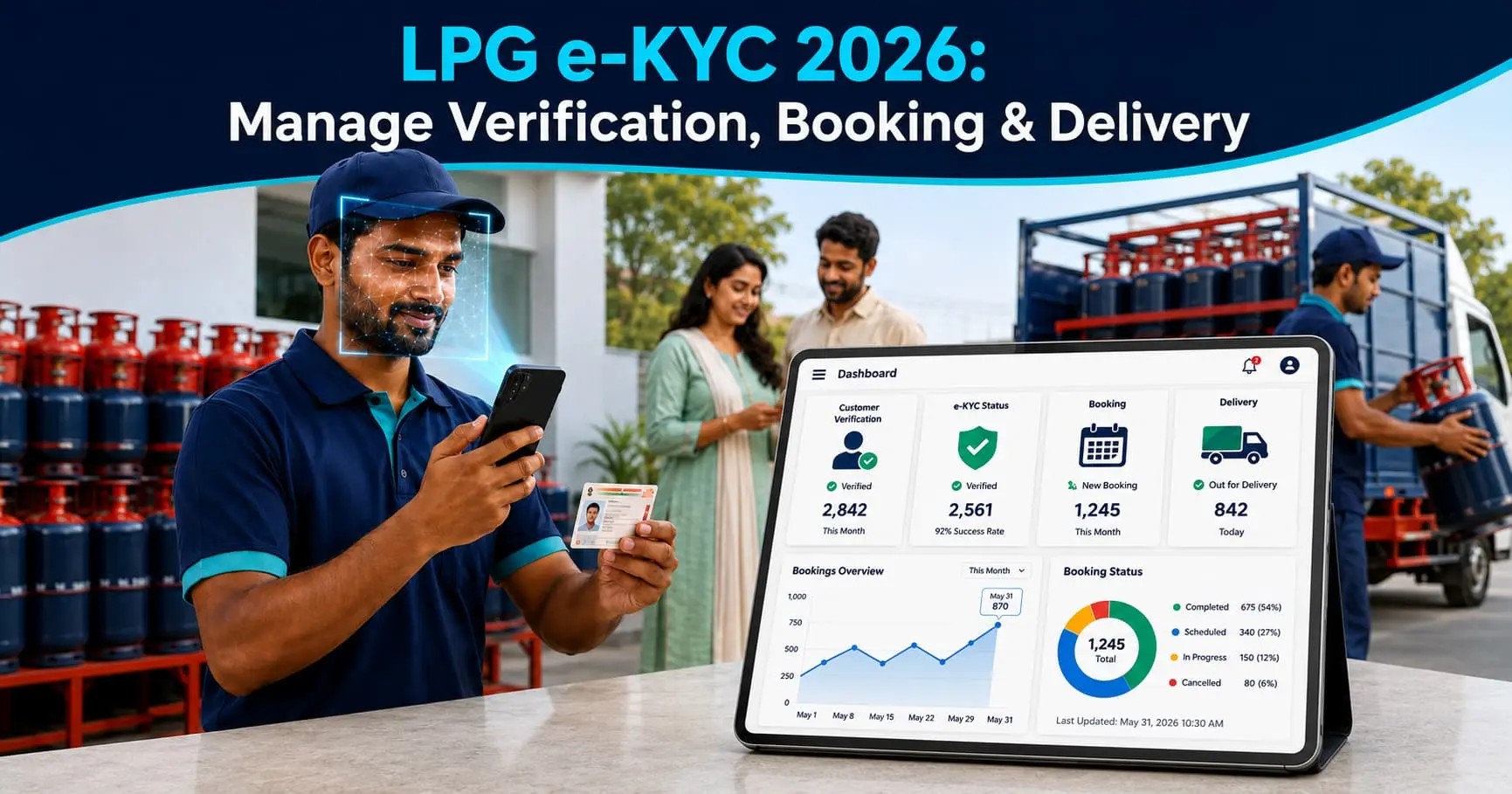
Government-supported digital booking services, authentication processes and online customer interactions have changed how customers access LPG services.
In April 2026, government-reported online LPG bookings accounted for approximately 98% of total LPG refill bookings, demonstrating the importance of digital services in the distribution ecosystem.
For distributors, digital transformation is not limited to introducing online bookings. It also involves improving internal business processes and maintaining organized operational information.
Important developments include:
Digital Customer Management
Maintaining customer details, booking history and service records in an organized system can improve customer information management.
Digital Inventory Management
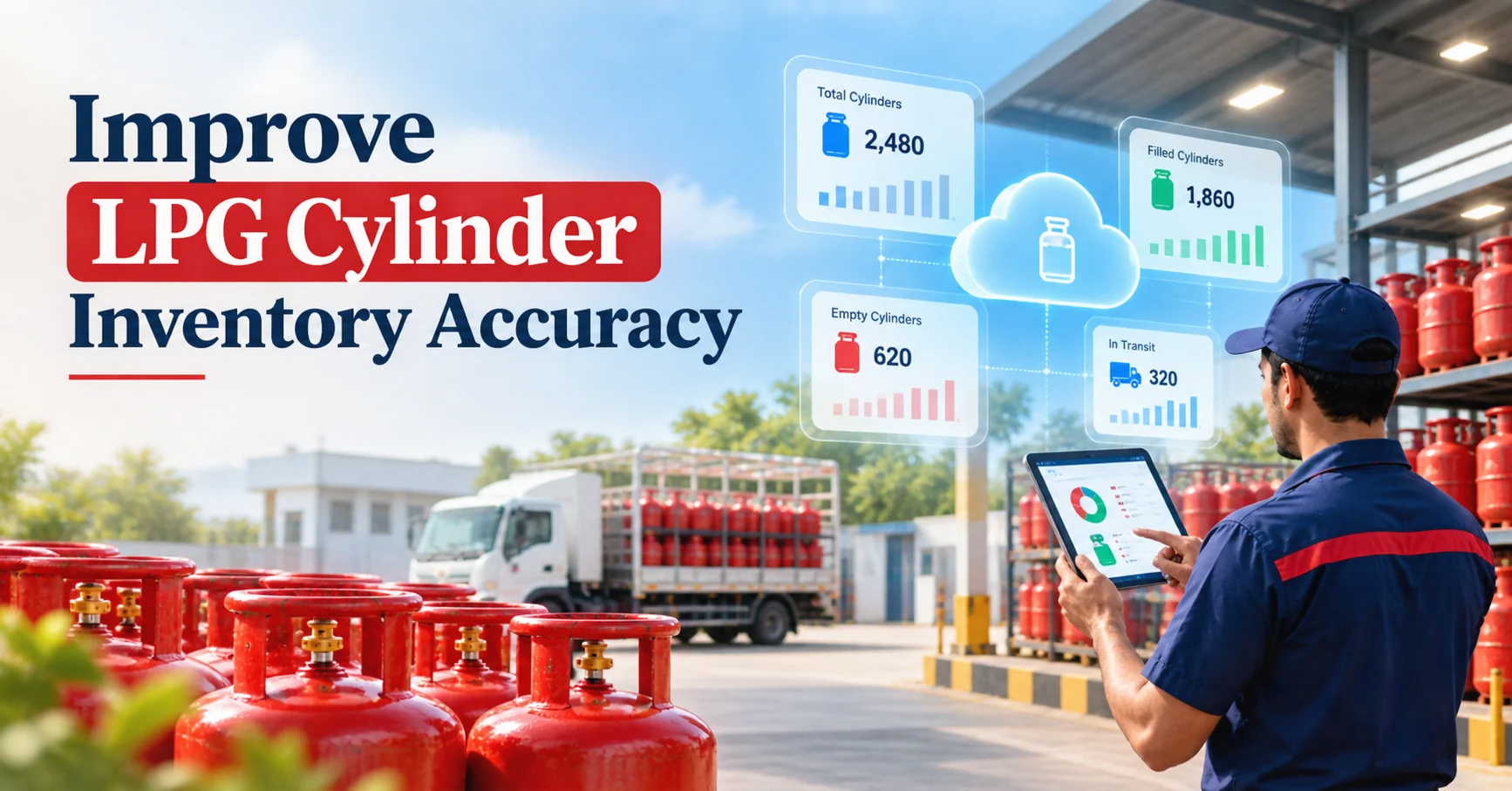
Digital stock records can help distributors monitor filled and empty cylinders, stock movements and inventory availability.
Delivery Management Systems
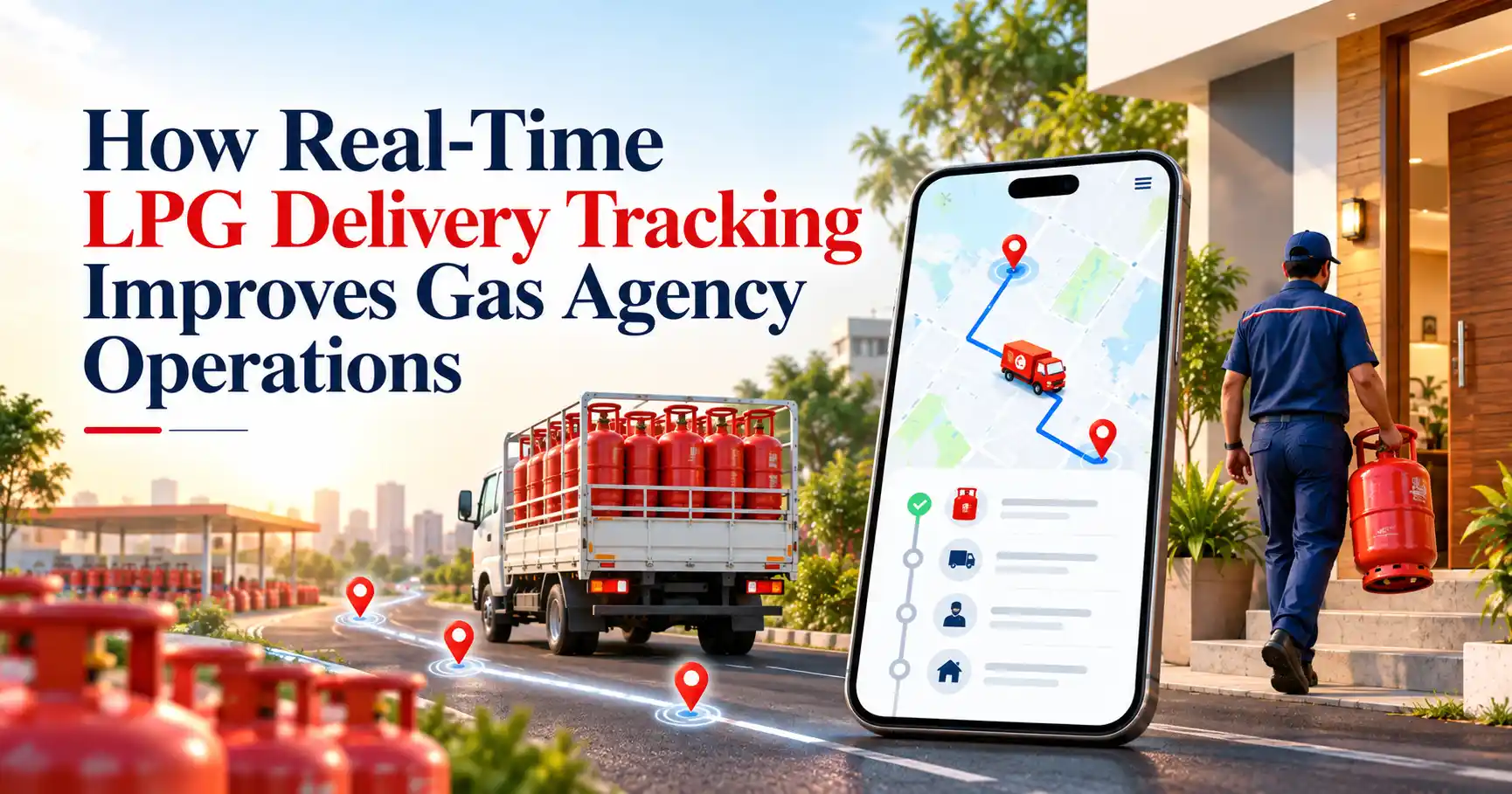
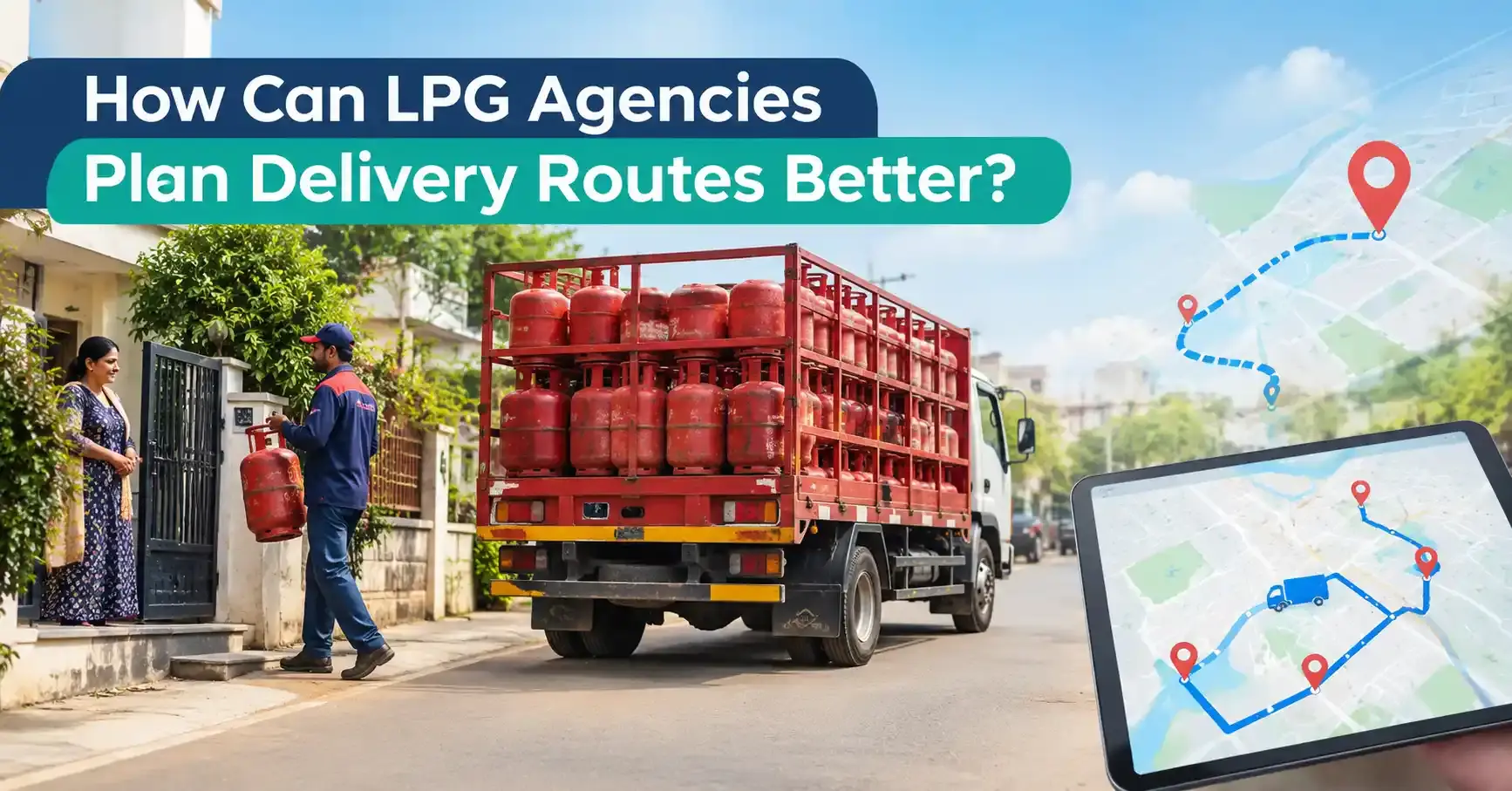
Organized delivery records can help office staff coordinate delivery personnel and monitor pending and completed deliveries.
Digital Billing and Transaction Records
Digital billing systems can help maintain transaction details, organize sales information and simplify record retrieval.
Business Reporting and Analysis
Digital reports can provide information about daily sales, monthly performance, stock movements and customer-related activities.
Together, these developments can help LPG distributors improve operational visibility and manage their businesses more systematically.
How LPGSoft Supports LPG Gas Agency Operations
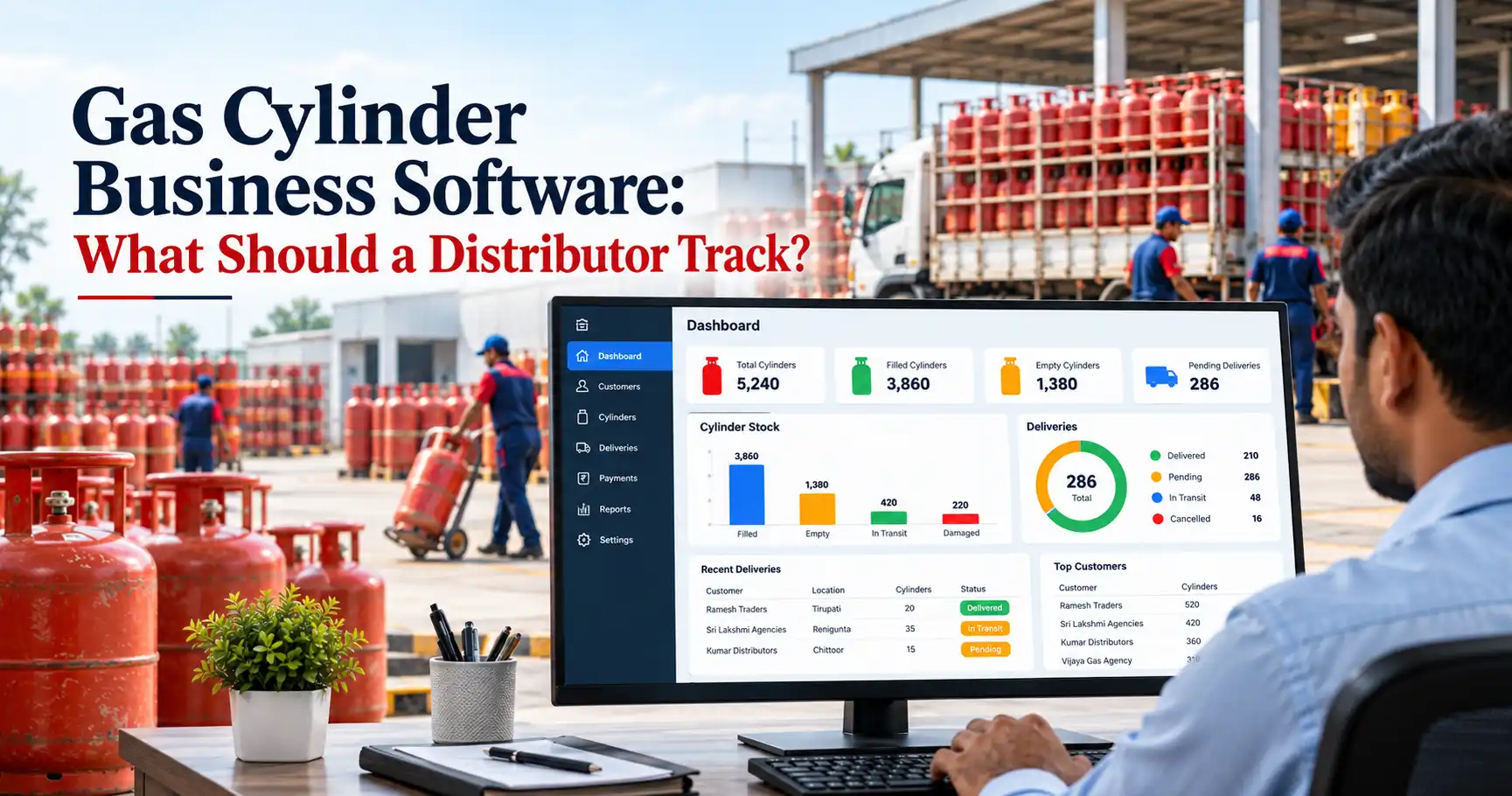
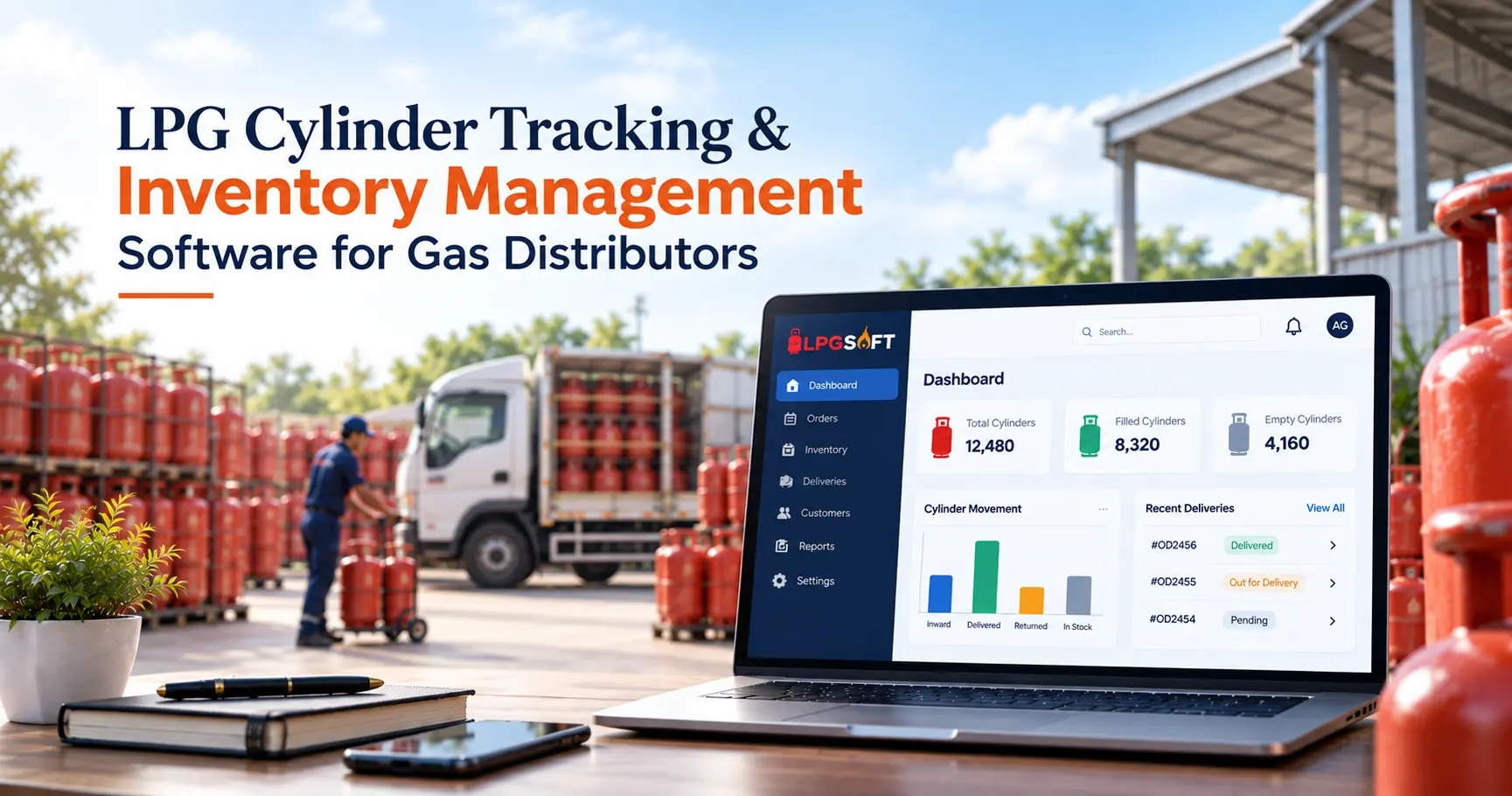
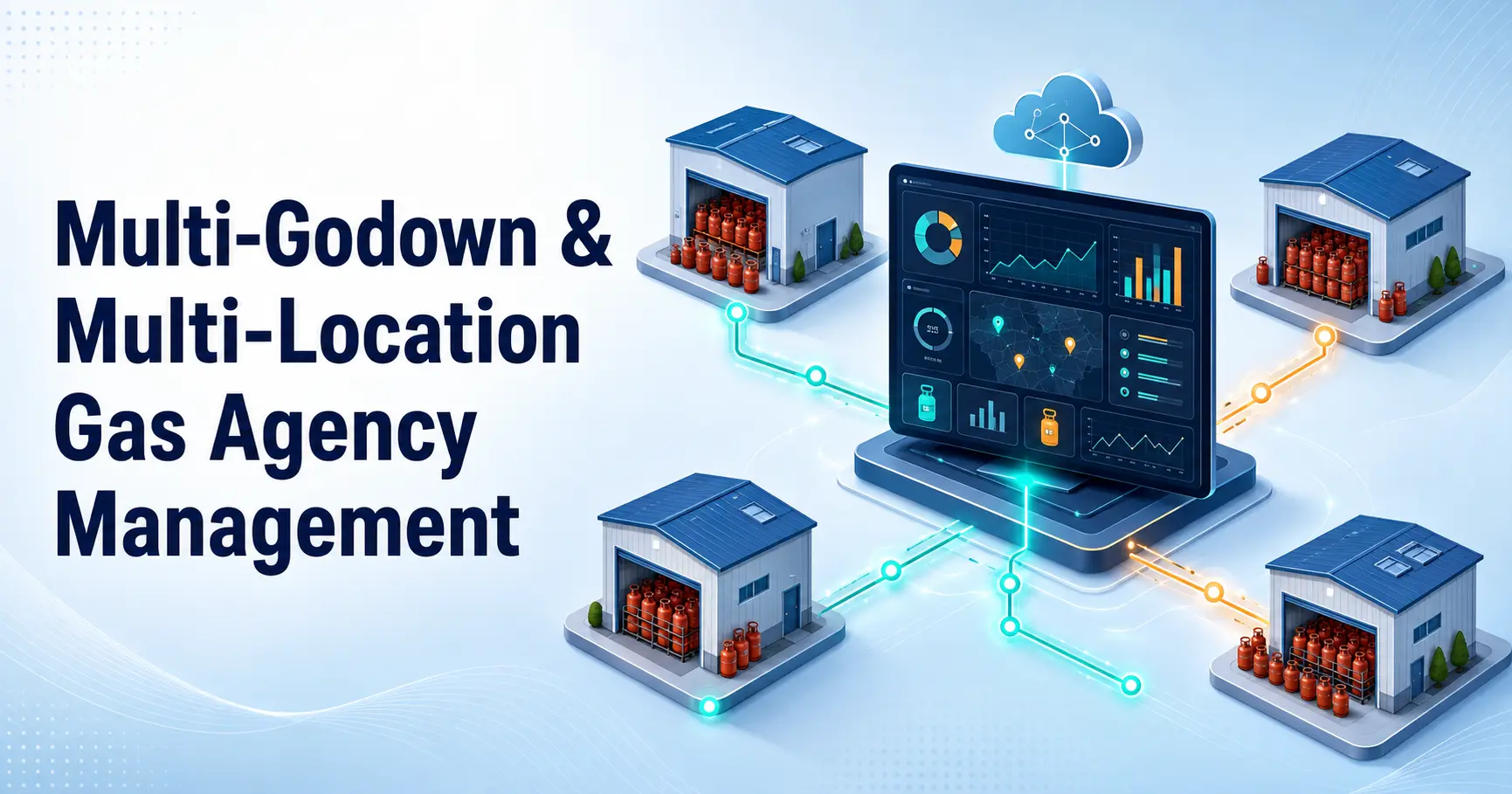
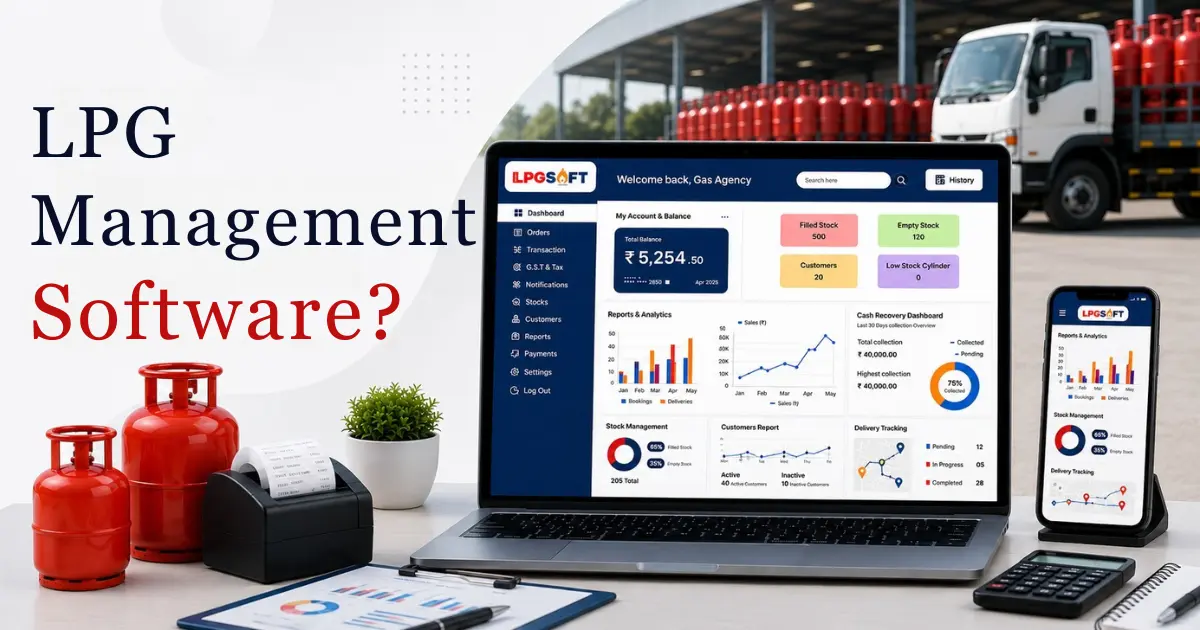
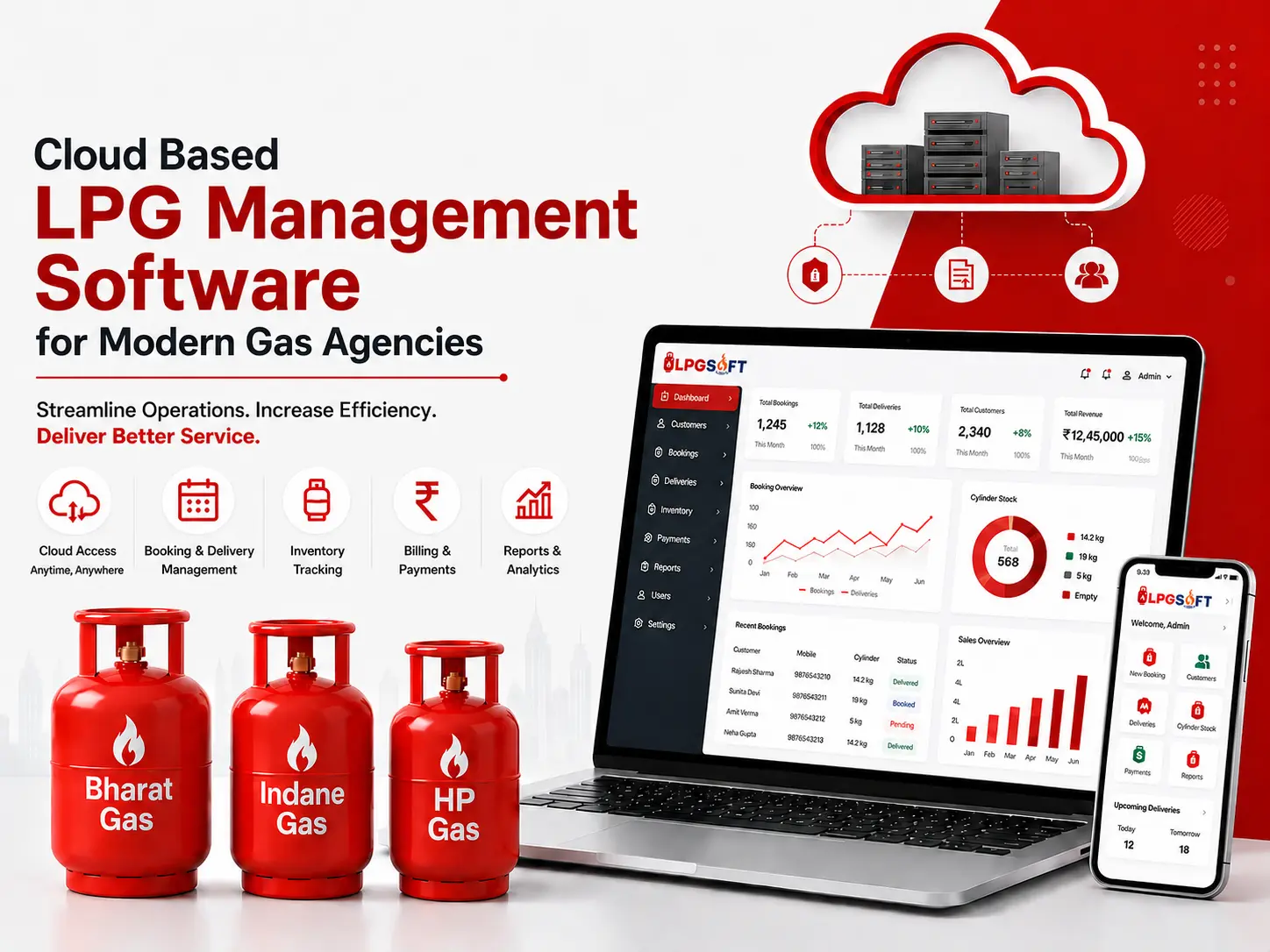
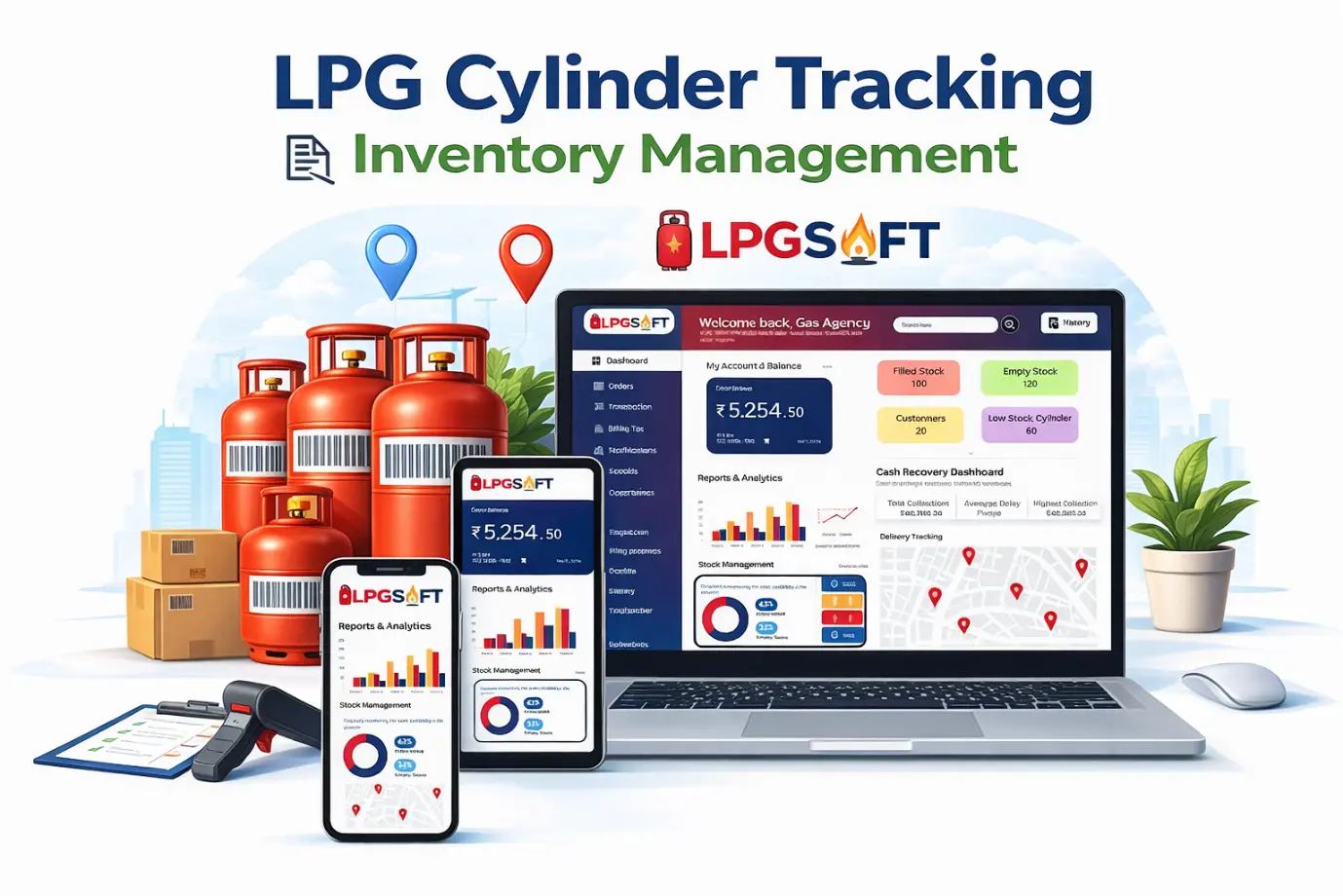
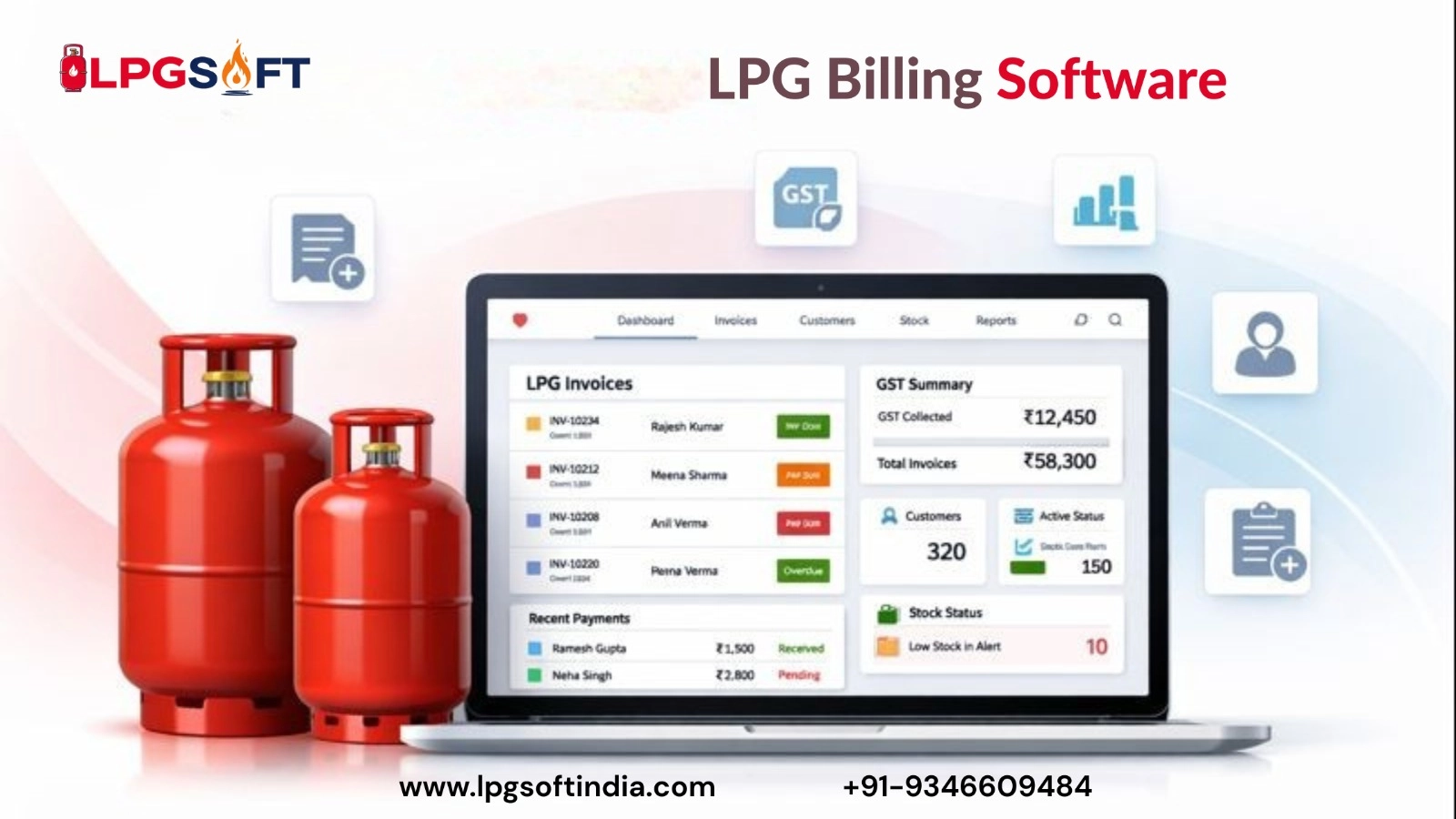
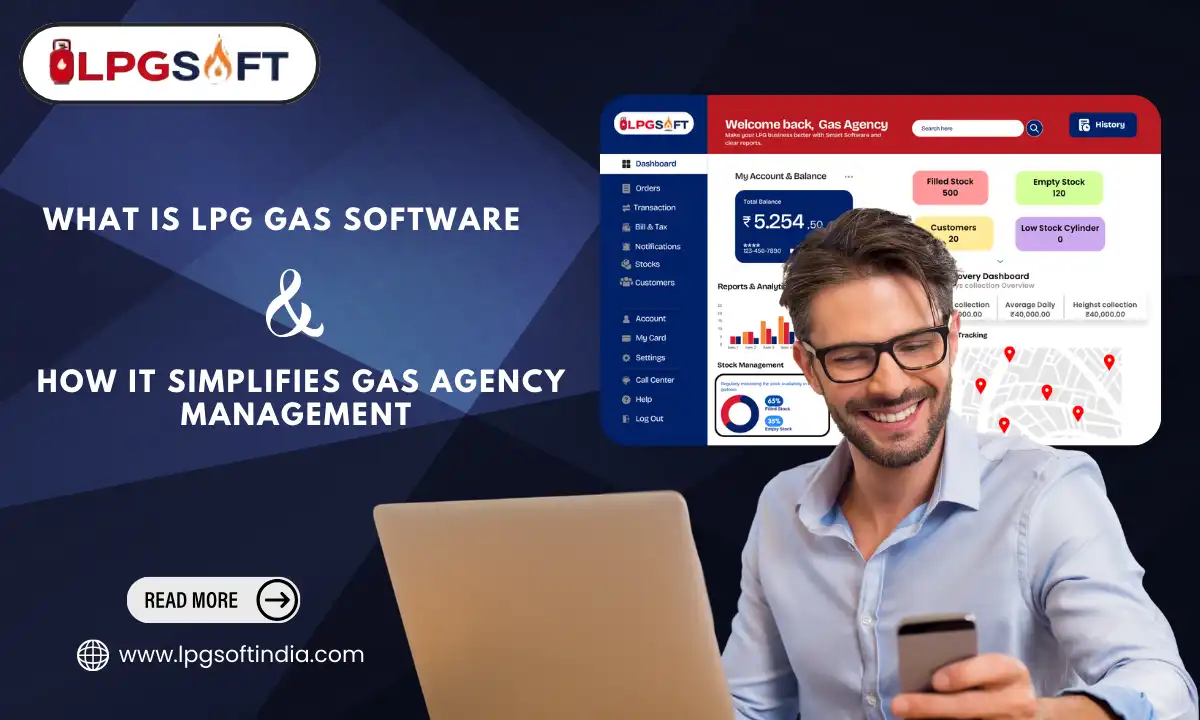
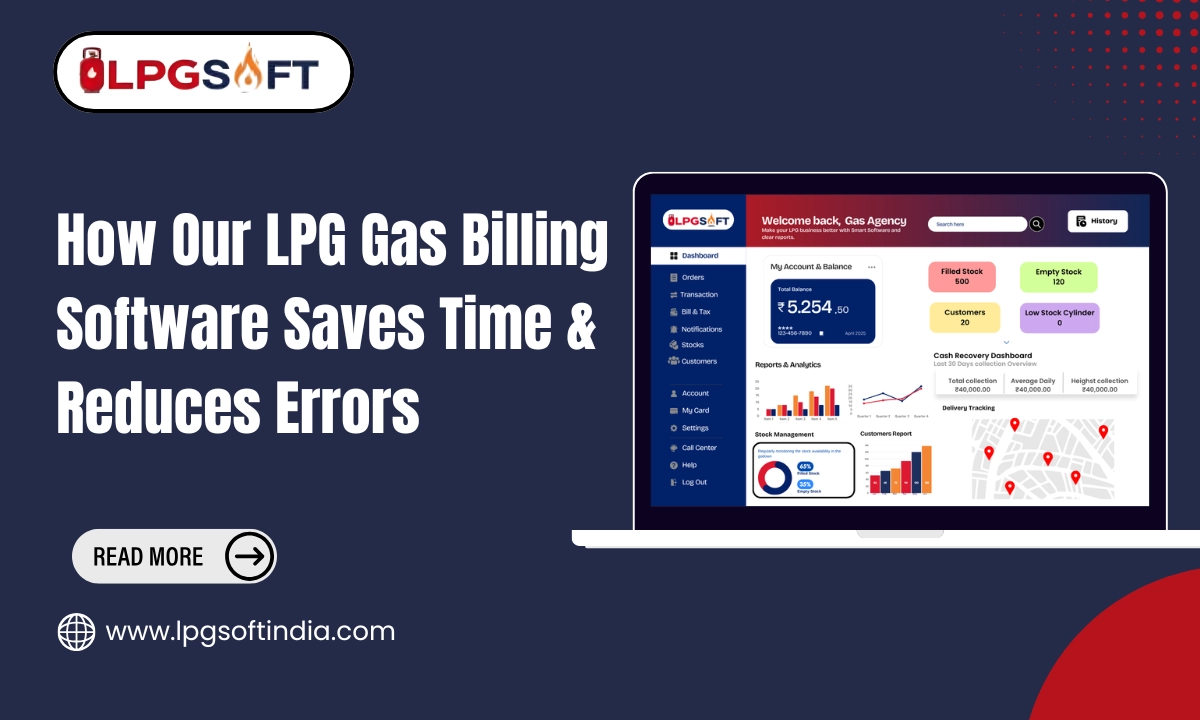
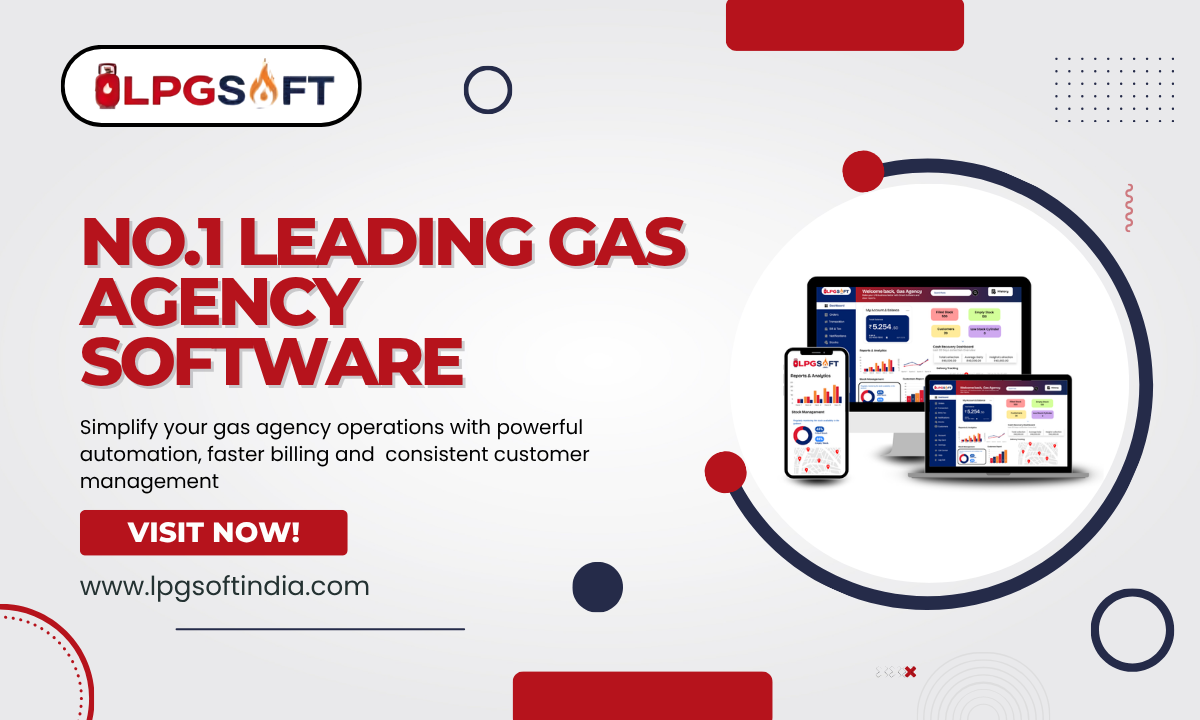
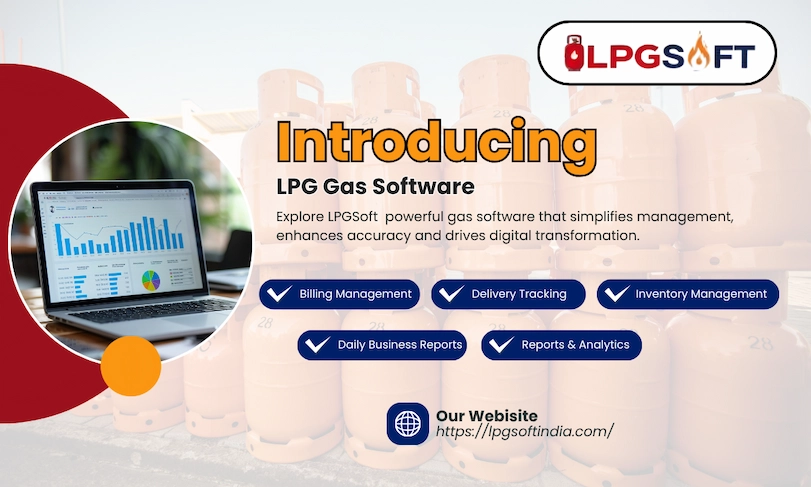
Managing customer information, cylinder inventory, deliveries and sales records requires organized business processes. For distributors looking to bring these activities together, LPGSoft provides LPG gas agency management software designed to support everyday distribution operations.
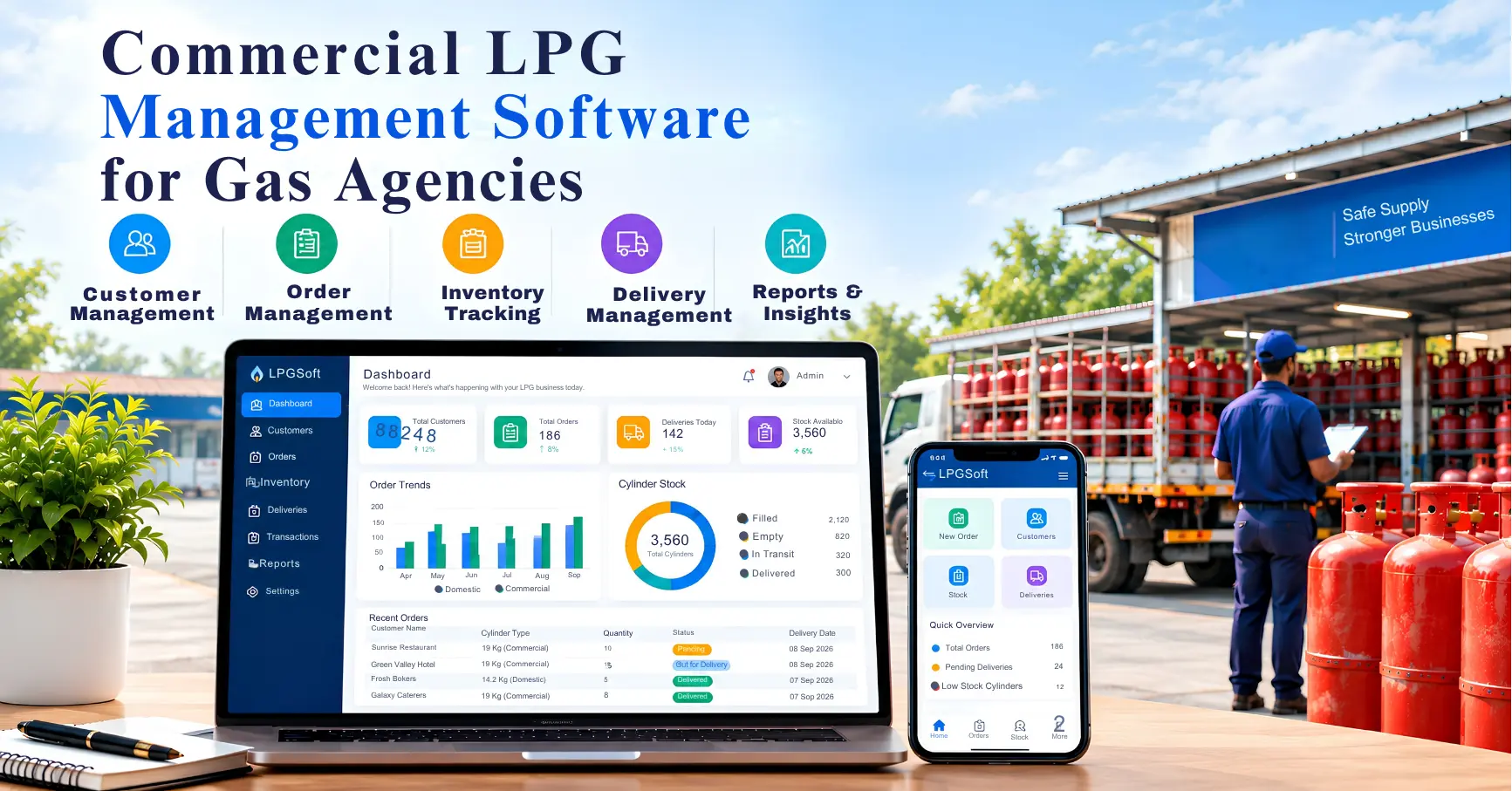
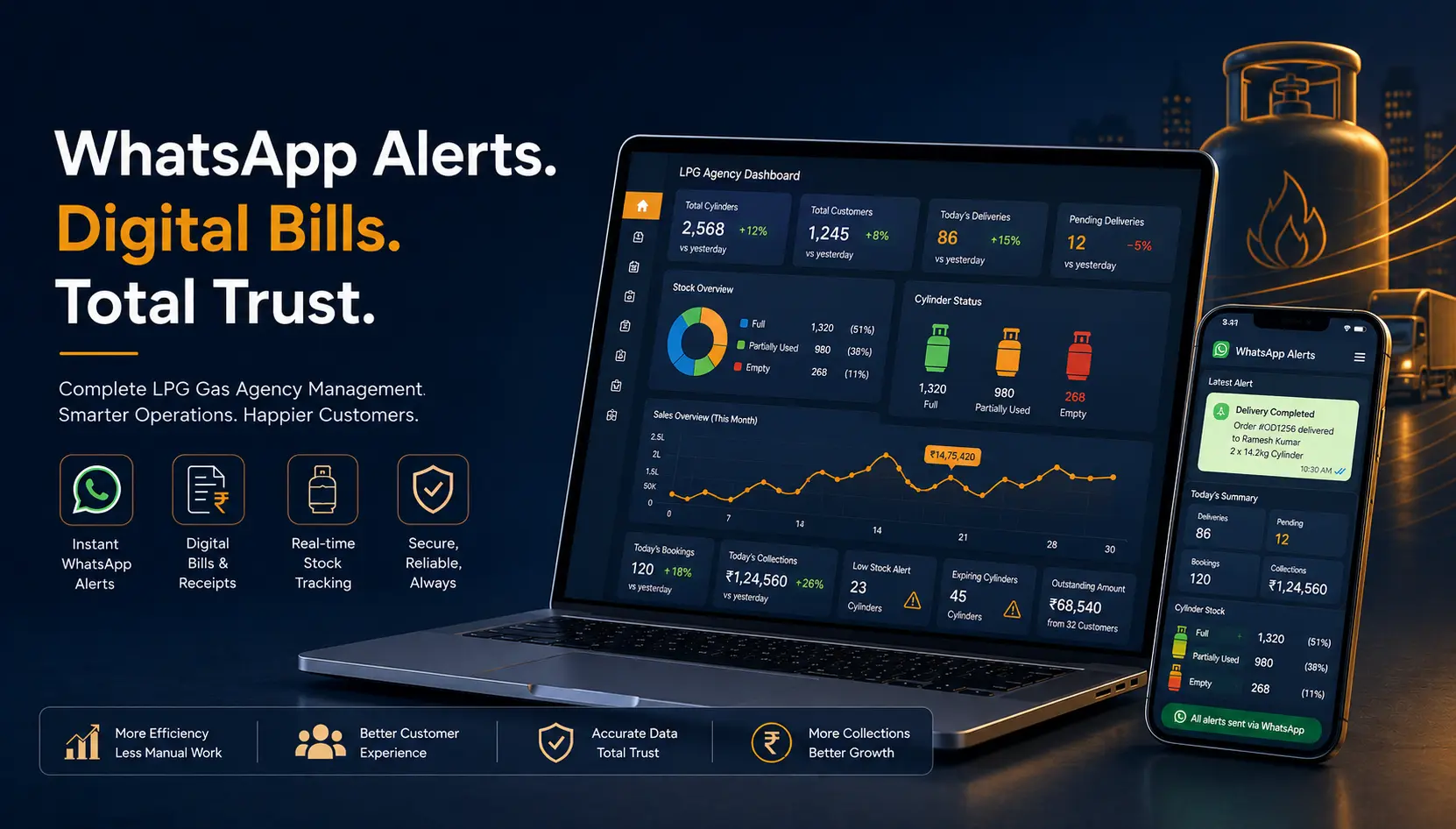
LPGSoft includes features that help agencies manage important business activities through a centralized system.
Customer Management: Helps maintain and organize customer information for easier access and customer-related administration.
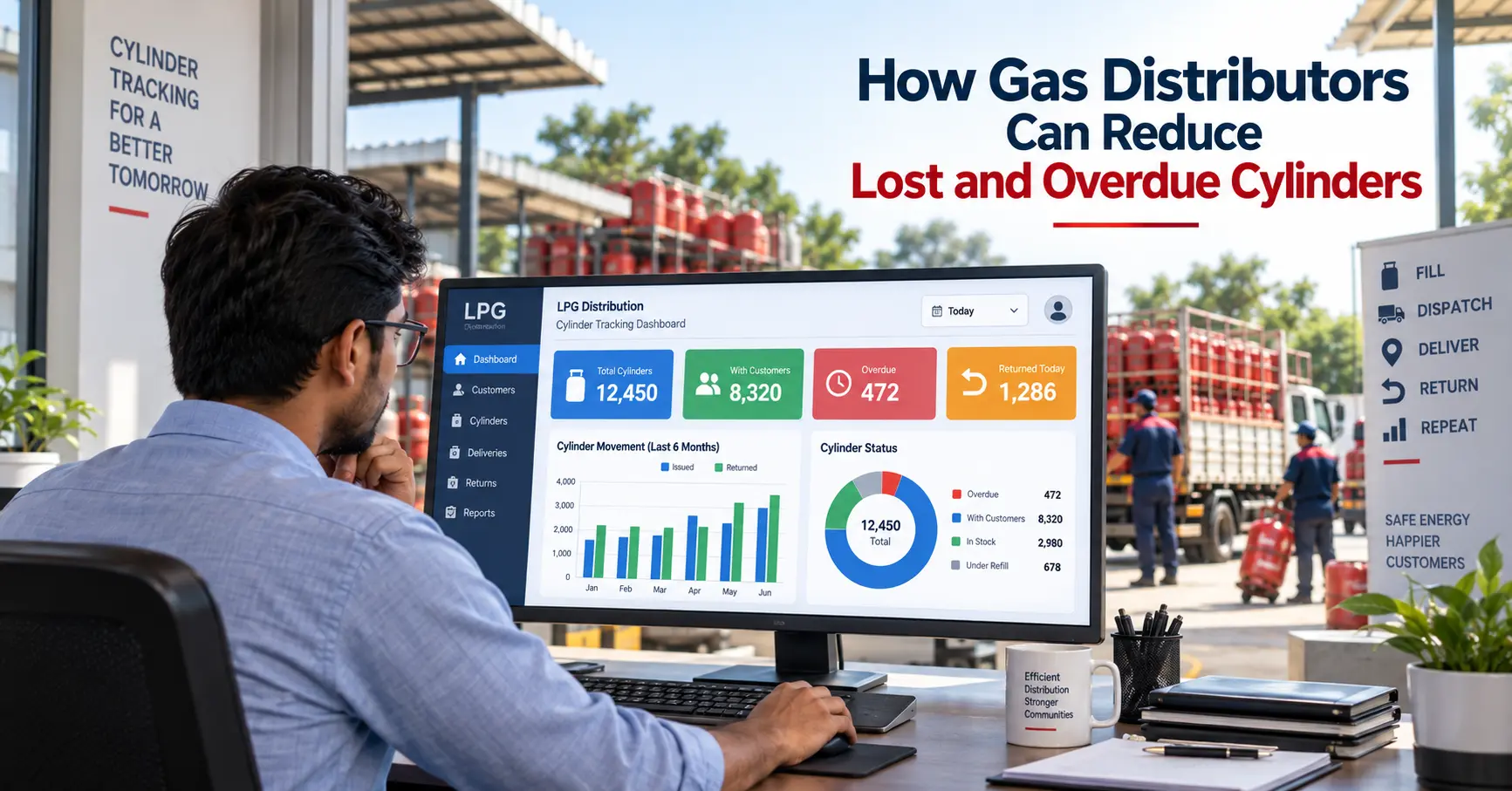
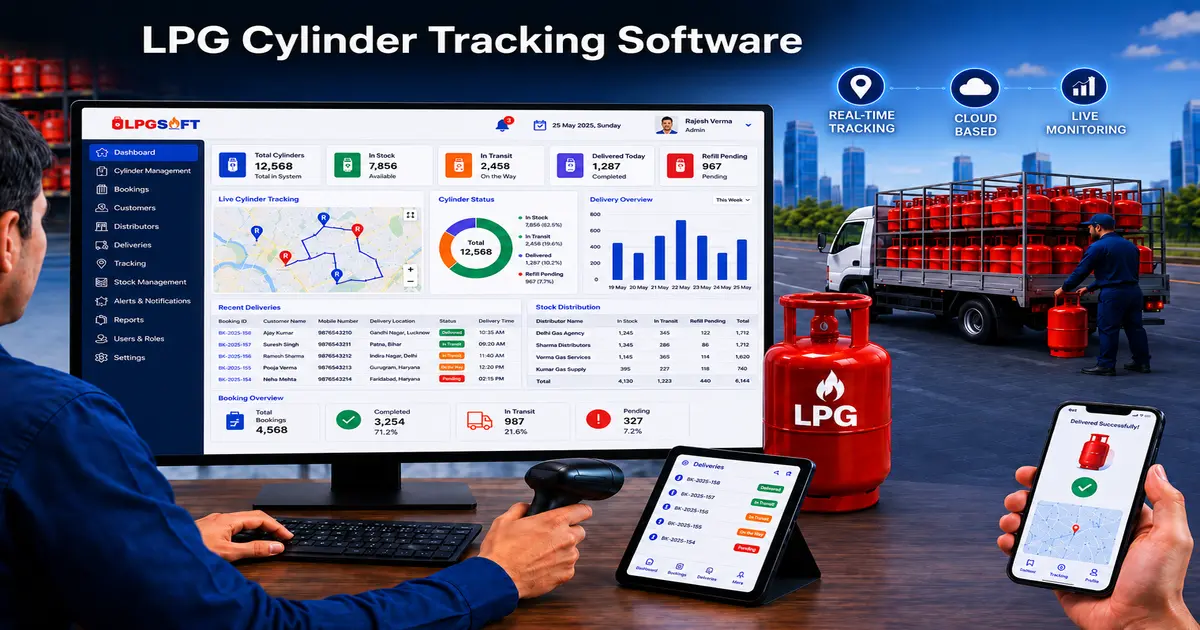
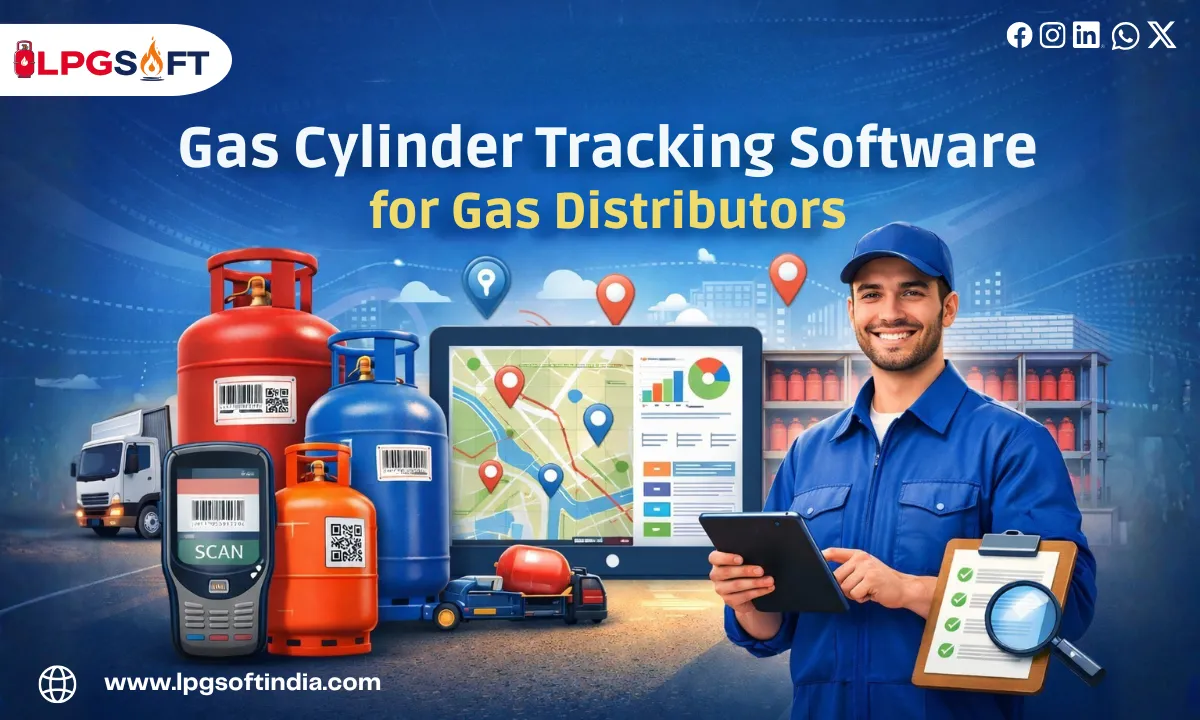
Cylinder Tracking: Supports monitoring of cylinder-related records, including filled and empty cylinder information.
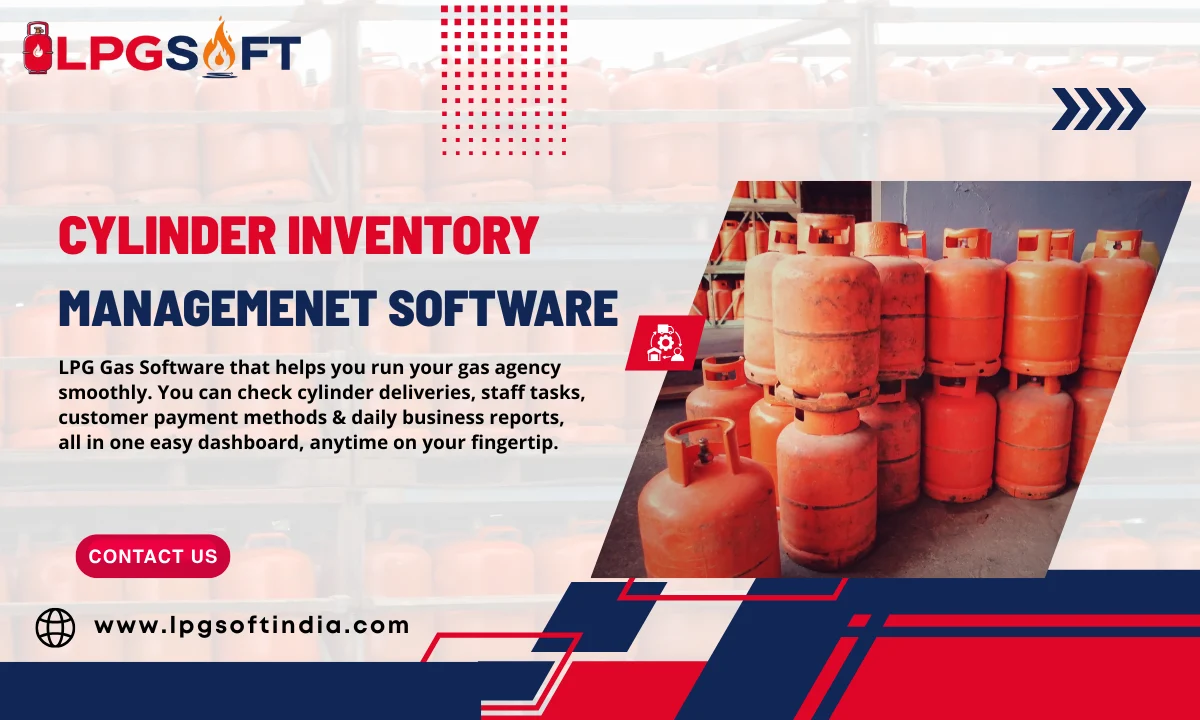
Inventory Management: Helps maintain stock information, monitor inventory movements and manage stock-related activities.
Delivery Management: Supports the organization of delivery activities and delivery-related records.
Sales and Stock Reports: Provides daily and monthly reports to help distributors review sales and inventory information.
Alerts and Notifications: Helps staff monitor important requirements through low-stock and cylinder-expiry alerts.
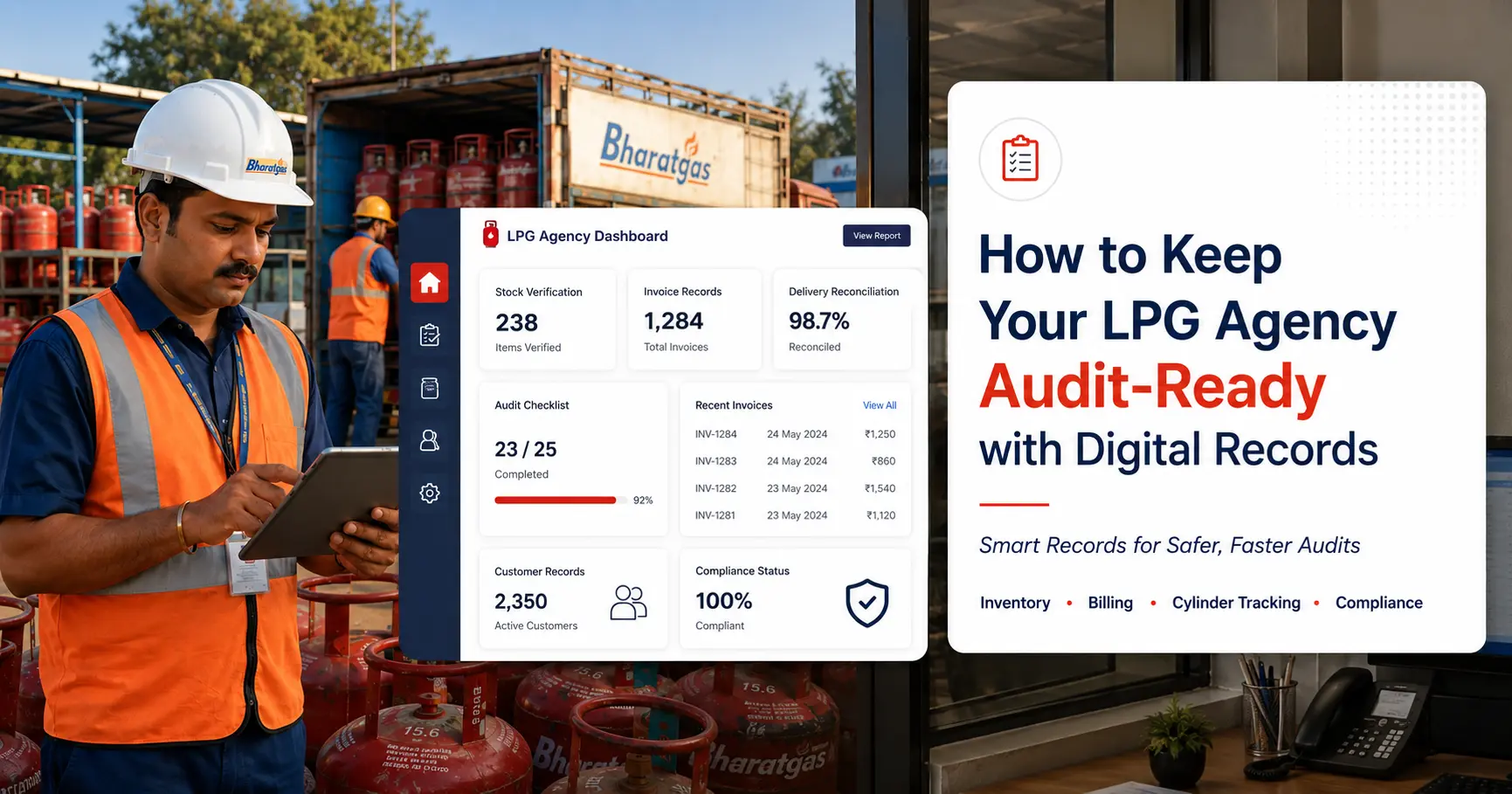
By bringing these operational activities together, LPGSoft helps gas agencies maintain organized business records and manage their daily distribution activities more effectively.
To learn more about the software and its features, visit https://lpgsoftindia.com/.
Future Outlook for India's LPG Distribution Industry in 2027
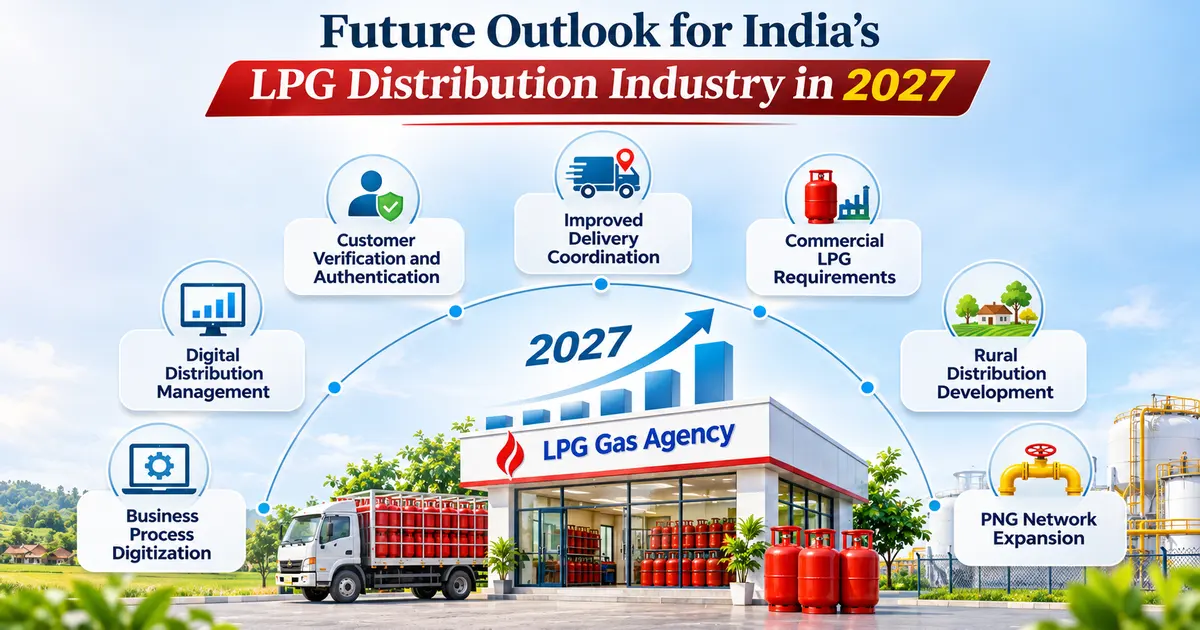
India's LPG distribution industry will continue adapting to changing energy requirements, customer expectations and distribution practices.
Although future market conditions will depend on economic, regulatory and supply-related factors, several developments are important for distributors to monitor.
Digital Distribution Management: Digital systems will remain important for organizing customer records, bookings, inventory and delivery information.
Customer Verification and Authentication: Digital authentication and customer information management will continue to be relevant as LPG service processes evolve.
Improved Delivery Coordination: Organized delivery operations and accurate delivery records will remain important for customer service and distribution efficiency.
Commercial LPG Requirements: Demand from hotels, restaurants, institutional kitchens and other businesses will continue to influence commercial LPG distribution.
Rural Distribution Development: Improving access and last-mile distribution in underserved locations will remain relevant to India's energy accessibility objectives.
PNG Network Expansion: The development of PNG infrastructure may influence LPG demand in certain urban and industrial locations, requiring distributors to monitor local market conditions.
Business Process Digitization: LPG agencies may increasingly evaluate software solutions to manage their operations, improve record accuracy and access business reports.
Upgrade your gas agency management today with LPGSoft
Grow your LPG distribution business with efficient operations and better management. Choose LPGSoft Complete LPG Gas Agency Management Software to manage customers, cylinder tracking, inventory, deliveries and business reports in one place. Upgrade your gas agency management today with LPGSoft
FAQ’S
Yes. India's LPG distribution industry has expanded significantly over the past decade. Growth in domestic LPG connections, consumption and distribution infrastructure demonstrates the sector's development. Future growth will depend on demand, supply availability, regional requirements and energy market conditions.
Important opportunities include rural distribution development, commercial LPG supply, improved customer services, better delivery coordination and digital business management. Entrepreneurs should evaluate local demand and applicable distributorship requirements before entering the market.
Common challenges include LPG supply fluctuations, transportation expenses, inventory management, customer service expectations, regulatory compliance, cylinder safety and competition from alternative energy sources such as PNG.
Gas agencies can improve their operations by maintaining accurate stock records, organizing customer information, coordinating deliveries, monitoring sales and adopting suitable digital management processes.
Digital management helps distributors organize customer records, cylinder inventory, billing, delivery activities and business reports. It can reduce dependence on manual recordkeeping and improve access to operational information.