
LPG Soft
29th Aug 2026
Festival & Winter LPG Demand Spike: A Complete Preparation Guide for Gas Agencies
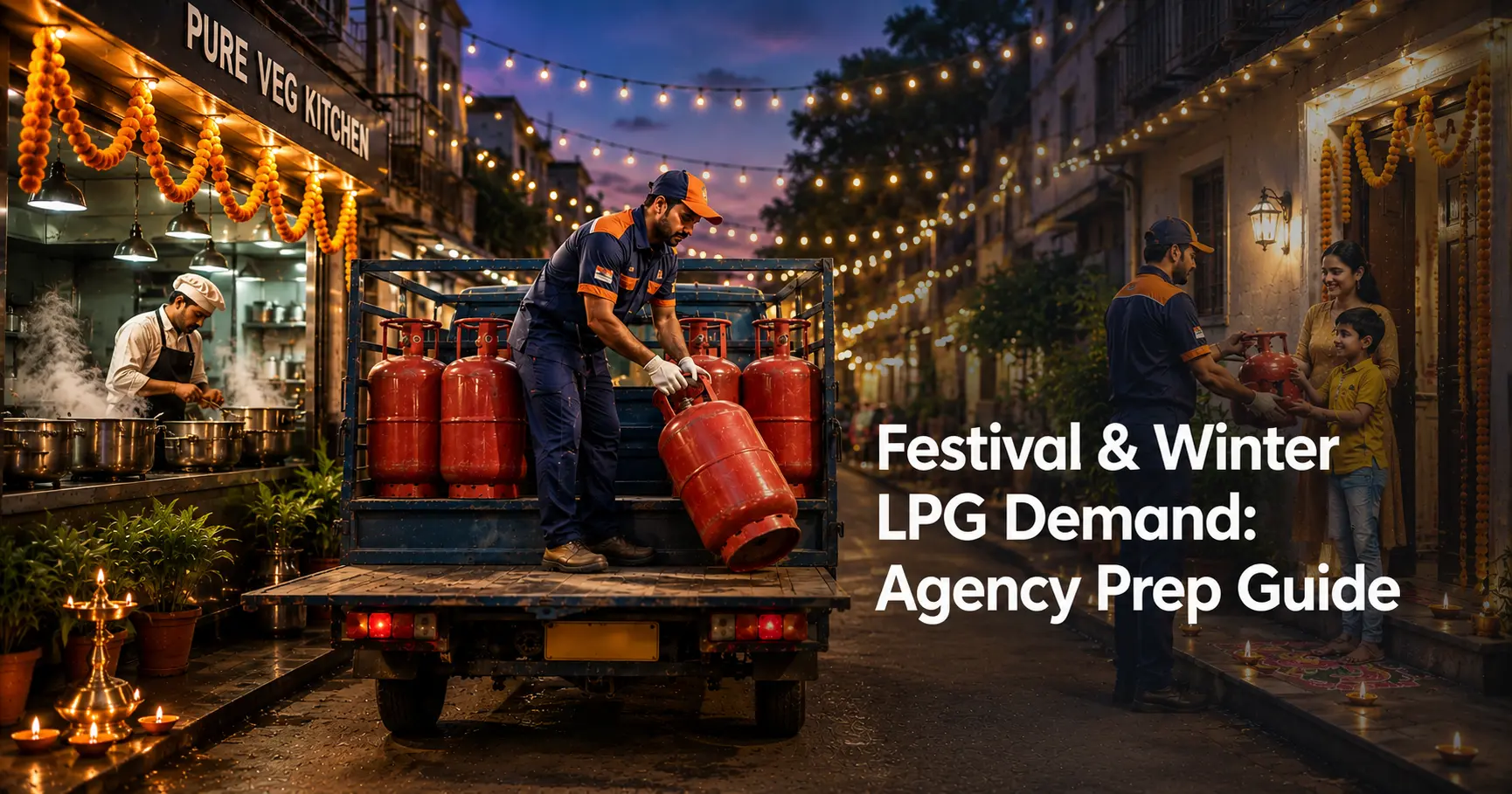
LPG demand rises sharply every year between September and February, driven by festival cooking, wedding-season catering, and winter heating needs across both domestic households and commercial establishments. Agencies that forecast stock, schedule staff, and communicate delivery timelines 4–6 weeks in advance avoid the delays and complaints that define this season for everyone else.
Every year, the same pattern repeats: bookings surge, delivery slots fill up, and gas agencies scramble to keep up. By the time the rush is visible, it's already too late to prepare for it. This guide breaks down why the spike happens, who drives it, and exactly what to do season by season so your agency stays ahead of it instead of reacting to it.
Why LPG Demand Spikes Every Festival & Winter Season
Demand rises because domestic households cook more for festivals and stock up in advance, while commercial kitchens — hotels, caterers, sweet shops, and banquet halls scale up production for the same events, all inside the same 5-month window.
Domestic demand drivers
- Festival cooking volume: Navratri, Dussehra, and Diwali all involve extended cooking for family meals, sweets, and prasadam, pushing households to book earlier and more frequently.
- Advance stocking behaviour: many domestic customers book an extra cylinder ahead of Diwali specifically to avoid running out during the festival week itself.
- Winter cooking and heating use: in colder regions, LPG use for hot water and heating adds to the usual cooking load through December and January.
Commercial demand drivers
- Sweet shops and bakeries: Diwali and Dussehra production runs (mithai, snacks, festival orders) multiply cylinder consumption well above normal months.
- Wedding season overlap: India's wedding season (November–February) runs almost back-to-back with the festival calendar, keeping banquet halls and caterers on continuous high-volume bookings.
- Hotels, restaurants, and canteens: festival travel and winter tourism increase footfall, while hostels, PGs, and institutional kitchens see steady high demand through the cold months.
The result: domestic and commercial demand don't arrive in separate waves they overlap and compound across the same September–February stretch, which is exactly why agencies that plan for only one segment get caught out by the other.
Festival Season Prep Checklist (September–November)
Start inventory and staffing prep at least 4–6 weeks before Navratri, since both booking volume and delivery expectations rise well before the festival dates themselves.
- Forecast stock 4–6 weeks ahead - use last year's festival-month booking data as a baseline, not the current month's run rate.
- Pre-book bulk orders for commercial accounts - sweet shops, caterers, and event vendors should be encouraged to confirm bulk quantities early, before peak-week slots fill up.
- Add temporary delivery staff or extend delivery windows - booking volume during festival week can be 2–3x a normal week.
- Send proactive delivery-timeline updates - a customer who knows their delivery is running a day later plans around it; a customer left guessing complains and calls in.
- Flag high-risk delivery routes early - the same congestion and access issues that cause festival-season delays every year are usually predictable in advance.
Winter Season Prep Checklist (December–February)
Winter prep is less about volume forecasting and more about managing overlapping commercial demand and payment cycles, since wedding-season and institutional bookings tend to be larger and credit-based.
- Track wedding-season bulk bookings separately - banquet halls and caterers often book significantly larger quantities per order; treat these as a distinct forecasting category from regular commercial orders.
- Review credit terms before the peak, not during it - commercial customers on credit cycles place bigger orders in this window, which is exactly when pending-payment risk grows.
- Plan for hostel/PG and institutional kitchen demand - this segment stays consistently high through winter and is easy to under-forecast if you're only watching festival-week spikes.
- Keep domestic delivery SLAs steady - commercial bulk orders shouldn't come at the cost of domestic customers' usual delivery windows; agencies that let domestic service slip during winter lose repeat bookings.
- Reconcile pending payments before month-end - winter's higher order volumes make it easier for overdue accounts to pile up unnoticed.
Commercial vs Domestic: Managing Both Without Dropping Either
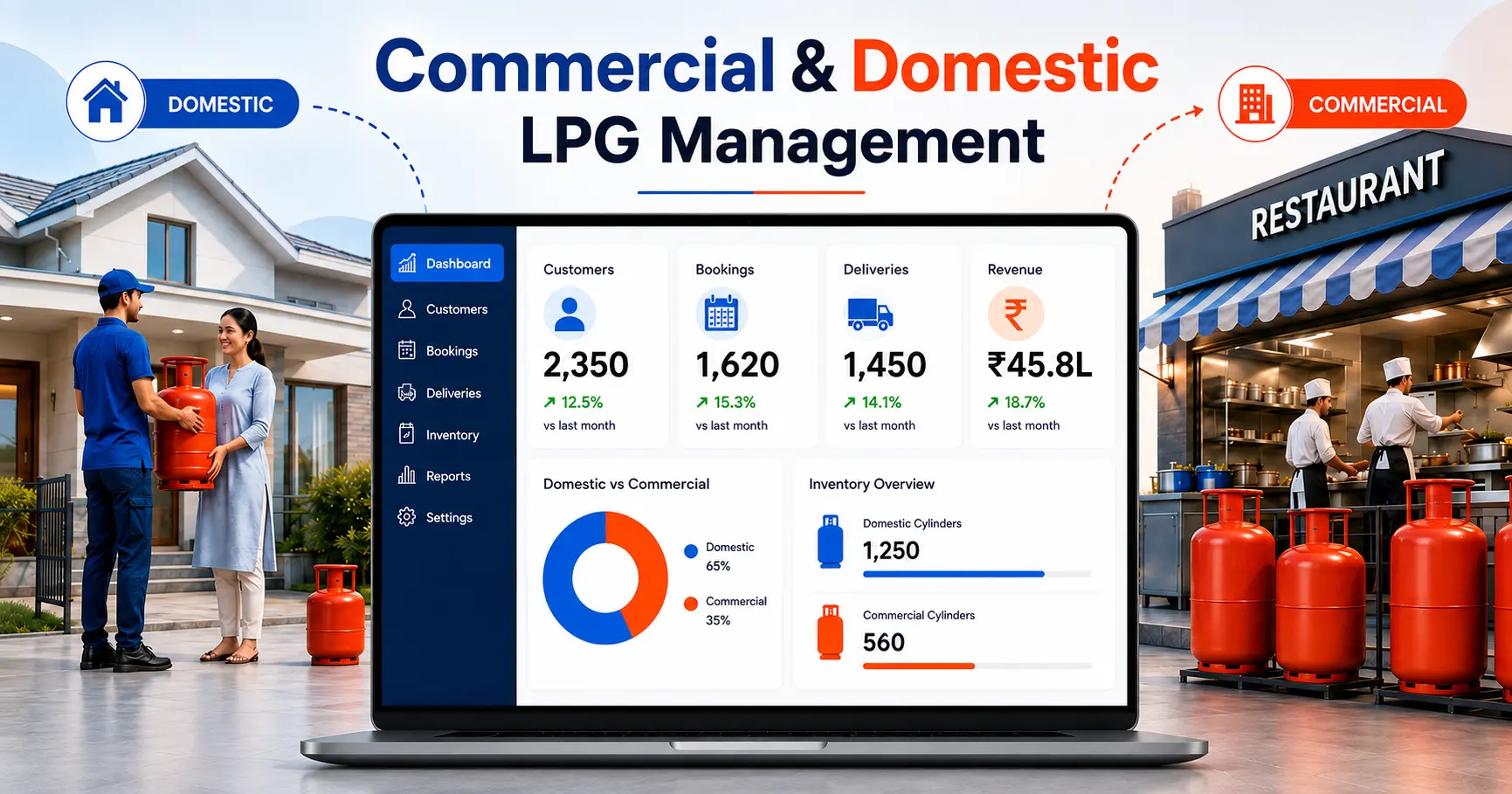
The agencies that handle this season best don't treat commercial and domestic as competing priorities they run separate forecasts and separate communication tracks for each, so a spike in one doesn't quietly starve the other.
| Domestic Customers | Commercial Customers | |
|---|---|---|
| Peak driver | Festival cooking, advance stocking | Bulk production, wedding-season catering |
| Order pattern | Single-cylinder, higher frequency | Bulk, scheduled, often credit-based |
| Biggest risk | Delivery delays during festival week | Pending payments on large credit orders |
| What to prioritize | Clear delivery-date communication | Early bulk-order confirmation + credit review |
Both segments deserve a plan the mistake isn't favouring one over the other, it's only planning for the one that's easiest to forecast.
How LPGSoft Helps Agencies Handle the Seasonal Surge
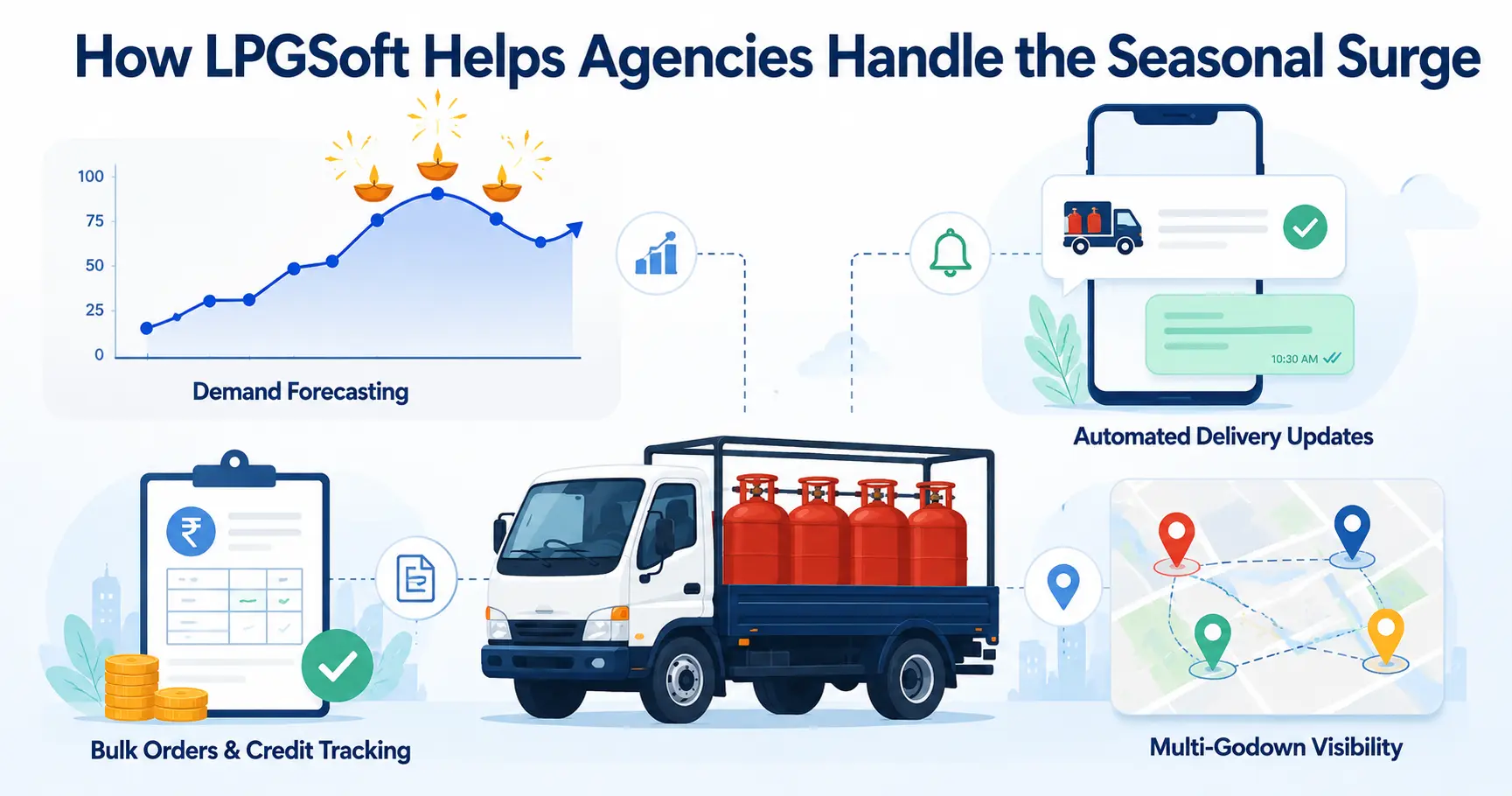
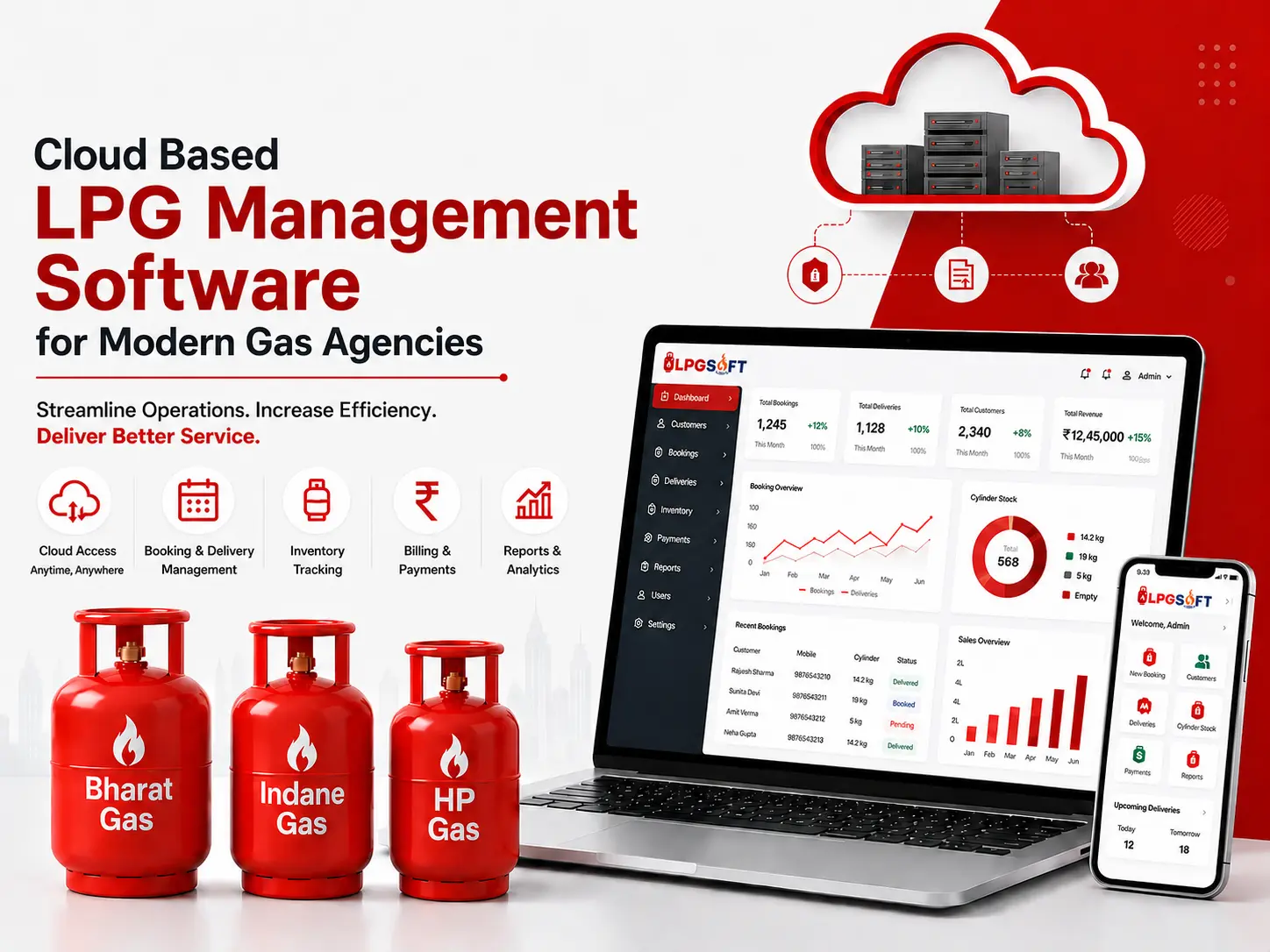
Manually tracking two overlapping demand curves one domestic, one commercial across five months is where most agencies lose control of the season. LPGSoft is built for exactly this:
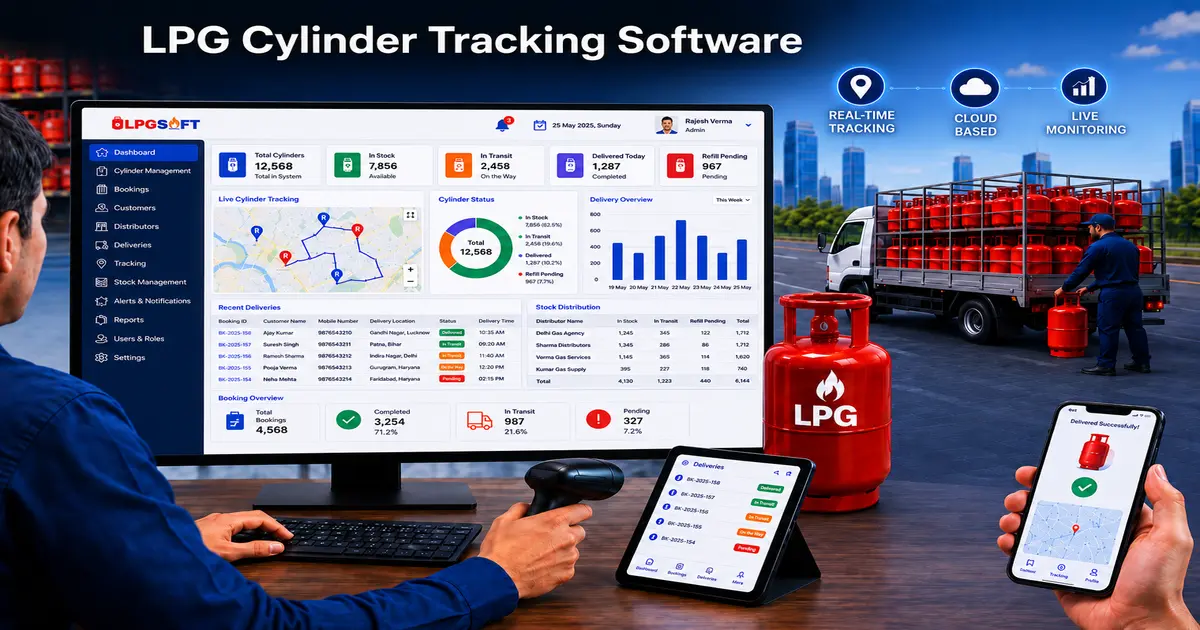
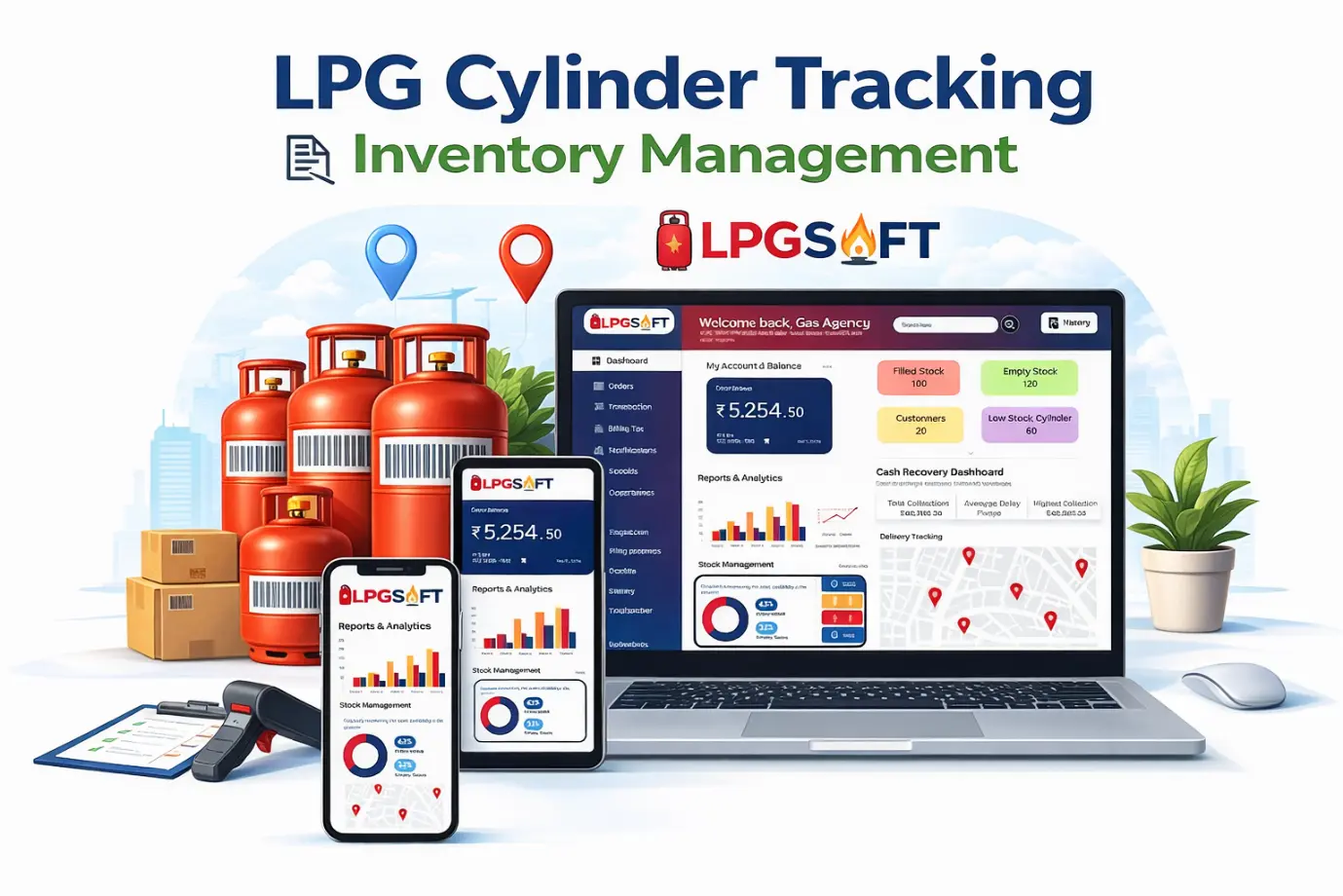
- Demand forecasting by customer segment, so festival and wedding-season spikes are visible before they hit, not after.
- Automated WhatsApp delivery updates, so customers get proactive timeline notifications instead of calling in to ask.
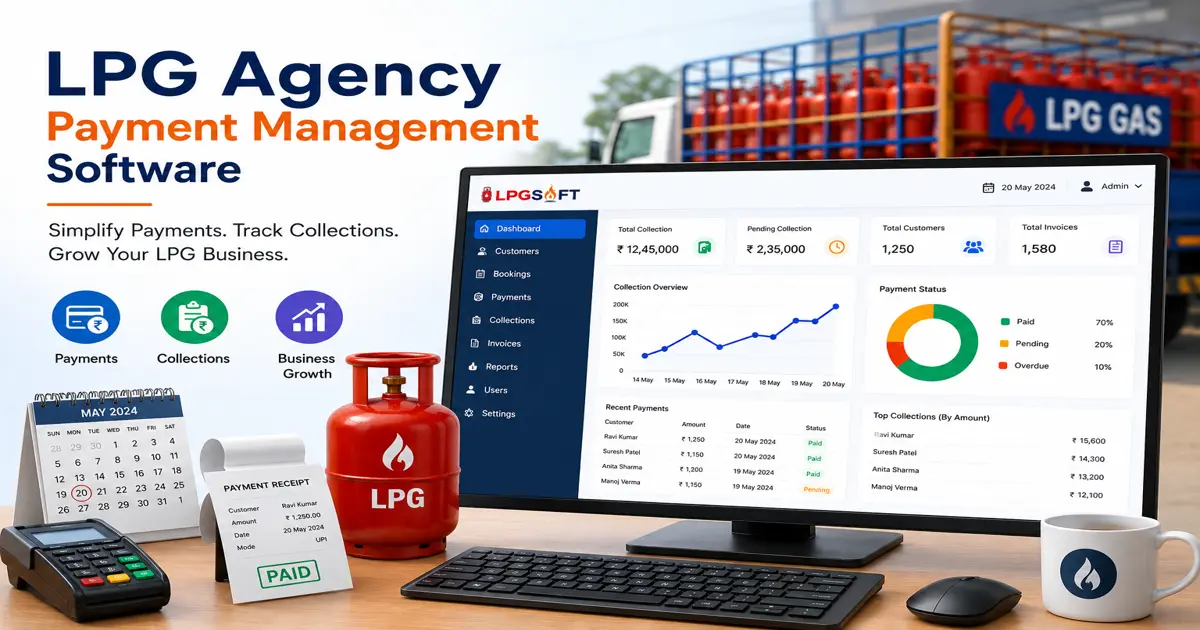
- Bulk order and credit tracking for commercial accounts, so large wedding-season and festival orders don't turn into unreconciled pending payments.
- Multi-godown, multi-location visibility, so stock and staffing decisions are based on real numbers across every location, not one manager's guesswork.
If this season has meant firefighting for your agency in past years, a demand-ready system is the difference between reacting to the surge and running ahead of it.
Don't Let This Season Catch Your Agency Off Guard
Missed deliveries, overbooked staff, and unpaid commercial invoices aren't inevitable parts of festival and winter season they're what happens when agencies plan month-to-month instead of season-to-season. LPGSoft gives you demand forecasting, automated customer updates, and bulk-order payment tracking in one place, so your busiest months become your most profitable ones, not your most stressful. Book a free LPGSoft demo today and walk into this festival season with a plan instead of a scramble.
FAQ’S
Ideally 4–6 weeks before Navratri begins. Both stock forecasting and staff scheduling need lead time starting the week festival bookings spike is already too late.
Commercial demand is bulk, scheduled, and often credit-based (sweet shops, caterers, banquet halls), while domestic demand is smaller-volume but higher-frequency, driven by festival cooking and advance stocking. They need separate forecasting, not one combined estimate.
Booking volume rises 2–3x in short windows, and without route planning or extra staffing, delivery queues back up. Agencies that plan ahead see our detailed guide on why LPG cylinder deliveries get delayed avoid most of this bottleneck.
By reviewing credit terms before the season starts and reconciling accounts regularly rather than at month-end, when order volumes make backlogs harder to catch. Our guide on reducing pending payments covers this in detail.
Yes colder regions see increased LPG use for heating and hot water on top of regular cooking, so domestic order frequency stays elevated through December and January, even after festival season ends.