
LPG Soft
23th July 2026
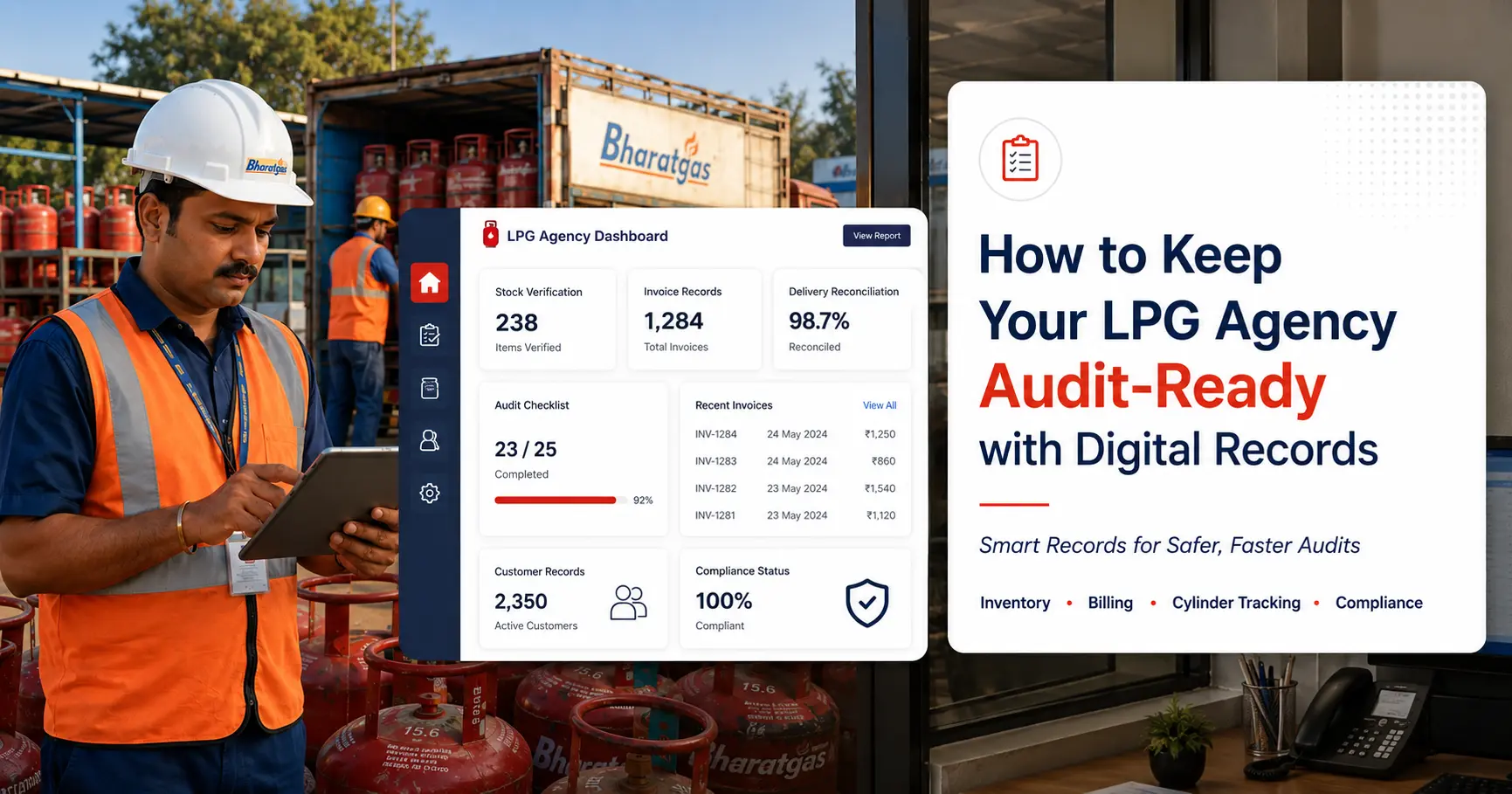
How to Keep Your LPG Agency Audit-Ready with Digital Records
Preparing for an LPG agency audit becomes easier when inventory, billing, customer, booking, delivery, and payment records are updated correctly every day. Manual registers and separate spreadsheets can result in missing entries, billing errors, stock mismatches, and delays during record verification.
Maintaining accurate helps distributors improve LPG inventory management, access reports quickly, and reduce last-minute audit pressure. This guide explains what an LPG agency audit involves, which records must be maintained, common audit-related problems, and how digital record management can help an LPG agency remain organized and audit-ready throughout the year.
What Is an LPG Agency Audit?
An LPG agency audit is a systematic review of an agency’s operational, inventory, billing, delivery, customer, and financial records. The purpose is to verify whether the records maintained by the agency accurately reflect its daily business activities.
During a gas agency audit, the agency may be required to provide records related to:
- Filled and empty cylinder stock
- Cylinder receipts, issues, exchanges, and returns
- Customer bookings and deliveries
- Billing and invoice transactions
- Customer and connection details
- Payments and outstanding balances
- Daily sales and collection reports
- Employee activities and delivery assignments
The exact documents reviewed may vary depending on the agency, distributor, Oil Marketing Company, and applicable guidelines. However, keeping accurate records supports better operational control and helps agencies address discrepancies without unnecessary delays.
Why Accurate Digital Records Matter
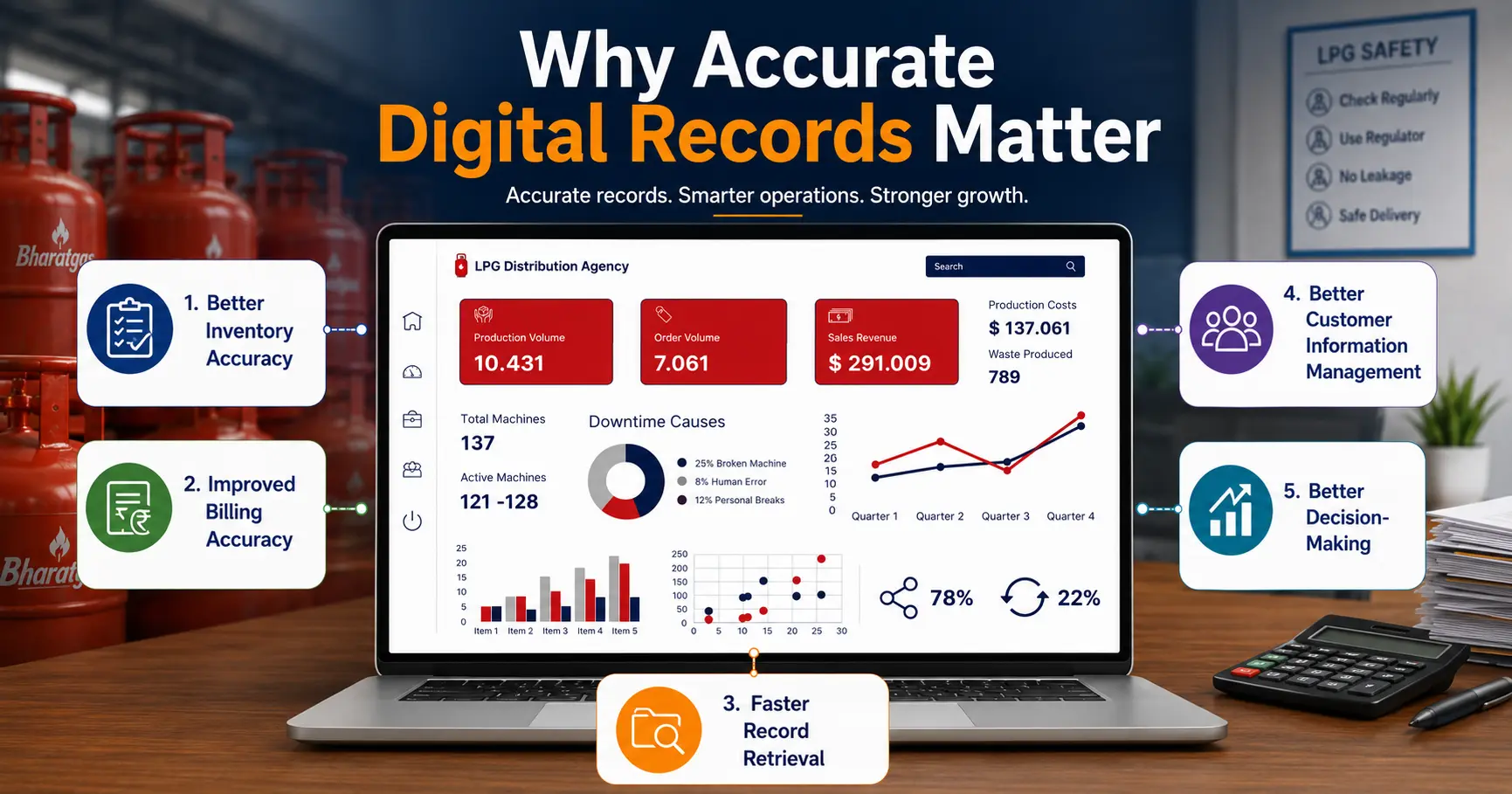
Many LPG distributors continue to manage operations through paper registers, handwritten notes, or separate spreadsheets. These methods may appear manageable initially, but they become difficult to control when customer bookings, deliveries, payments, and inventory volumes increase.
Accurate LPG digital records provide a centralized view of business operations. They help agencies review stock, retrieve invoices, trace cylinder movement, verify customer information, and generate reports more efficiently.
Better Inventory Accuracy
Inventory is one of the most critical assets of any LPG agency. Every filled cylinder issued, empty cylinder returned, and new stock received should be accurately recorded.
Digital inventory records help agencies:
- Monitor available stock in real time.
- Reduce stock mismatches.
- Track cylinder movement.
- Identify inventory discrepancies quickly.
- Improve stock planning.
Accurate inventory data also supports better operational decisions and reduces unnecessary business losses.
Faster Record Retrieval
Searching through paper files or multiple spreadsheets can consume valuable time.
With digital records, distributors can locate invoices, customer details, stock reports, or delivery history within seconds, making audits and daily operations much more efficient.
Improved Billing Accuracy
Manual billing mistakes can create inconsistencies between sales and inventory.
Digital billing systems automatically record transactions, helping agencies:
- Reduce duplicate entries.
- Avoid calculation errors.
- Maintain accurate customer invoices.
- Improve financial transparency.
Better Customer Information Management
Customer records should always remain updated.
Digital systems help maintain:
- Customer profiles
- Connection details
- Booking history
- Delivery history
- Outstanding balances
- Communication records
Having organized customer information also improves service quality and reduces operational confusion.
Better Decision-Making
Accurate digital records provide valuable business insights.
Instead of relying on assumptions, agency owners can review reports on:
- Sales performance
- Inventory trends
- Delivery efficiency
- Outstanding payments
- Customer activity
These insights support smarter operational and business decisions.
Common Problems LPG Agencies Face During Audits
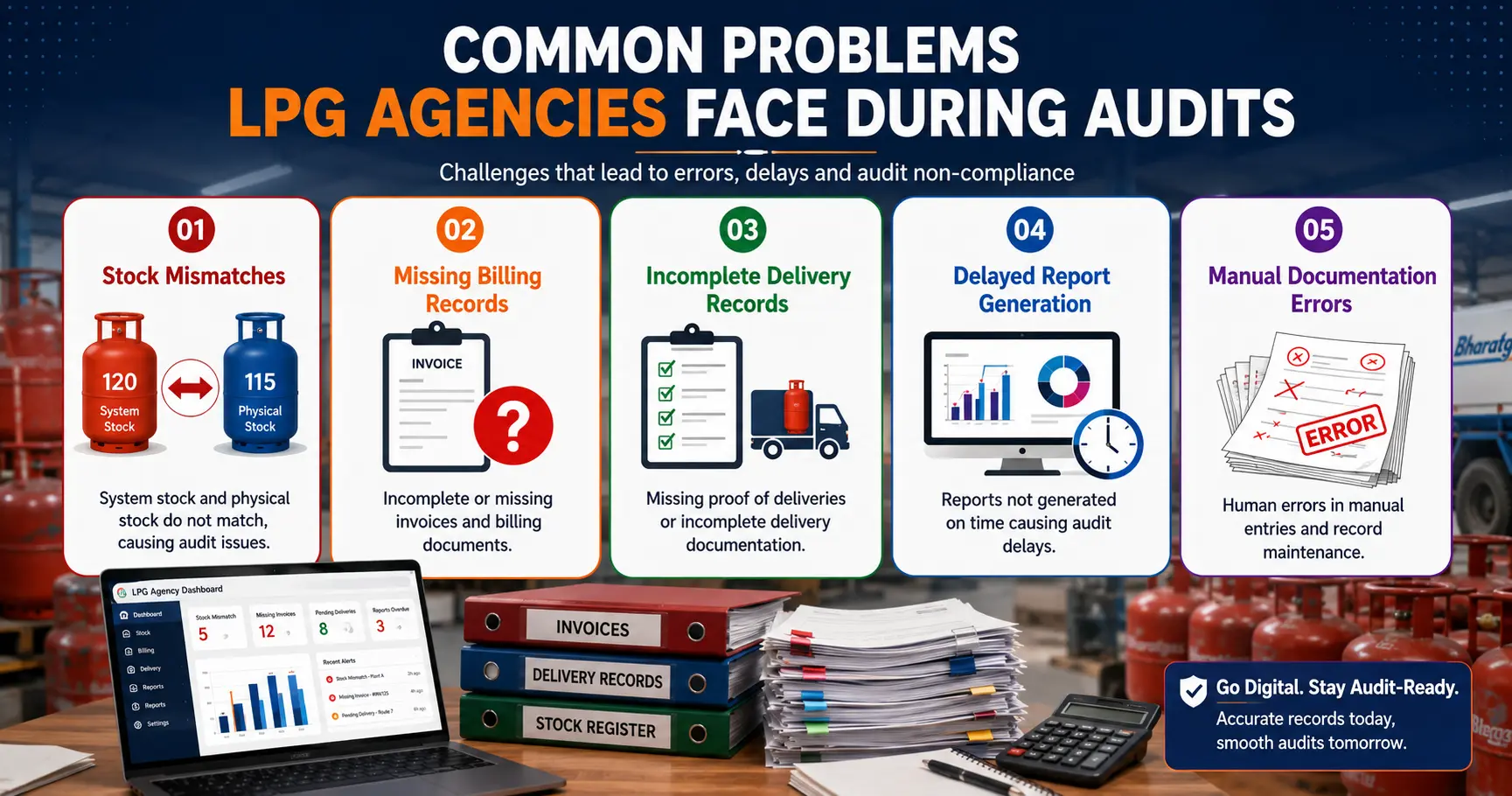
Many audit-related challenges do not arise because agencies lack experience they occur because records are incomplete, inconsistent, or difficult to retrieve.
Understanding these common issues helps distributors prepare more effectively.
1. Stock Mismatches
One of the most common operational challenges is a difference between physical cylinder stock and recorded inventory.
Possible reasons include:
- Delayed stock updates
- Manual entry mistakes
- Incorrect cylinder movement records
- Missing inventory transactions
Even small inconsistencies can require significant effort to reconcile later.
2. Missing Billing Records
Invoices and billing records are important business documents.
When billing information is scattered across multiple systems or stored manually, retrieving records during an audit becomes difficult.
Maintaining digital invoices ensures every transaction is documented and easily accessible.
3. Incomplete Delivery Records
Delivery operations generate large amounts of information every day.
Missing delivery records can create uncertainty regarding:
- Delivery completion
- Pending orders
- Customer acknowledgements
- Cylinder returns
Digital delivery tracking improves visibility while simplifying record verification.
4. Manual Documentation Errors
Paper-based documentation increases the possibility of:
- Incorrect entries
- Missing pages
- Calculation mistakes
- Duplicate records
- Illegible handwriting
These errors accumulate over time and make audits more time-consuming.
5. Delayed Report Generation
Preparing reports manually often requires collecting information from multiple sources.
This process can delay decision-making and increase workload during audit preparation.
Digital reporting significantly reduces this effort by generating business reports instantly.
Essential Records Every LPG Agency Should Maintain
Accurate documentation is the foundation of an audit-ready LPG business. Every agency should maintain organized records that reflect daily operations and support business transparency.
The following records are essential.
1. Cylinder Stock Register
The stock register should clearly record:
- Opening stock
- Filled cylinders
- Empty cylinders
- Daily stock movement
- Closing stock
Keeping these records updated helps maintain inventory accuracy and simplifies stock verification.
2. Customer Database
Every customer profile should include:
- Customer name
- Consumer number
- Contact information
- Address
- Connection details
- Booking history
- Delivery history
- Payment status
3. Booking Records
Booking records help agencies monitor customer demand and delivery schedules.
These records typically include:
- Booking date
- Customer details
- Booking status
- Assigned delivery
- Completion status
Accurate booking records reduce confusion and improve delivery planning.
4. Delivery Records
Every delivery should be documented with:
- Delivery date
- Customer information
- Cylinder details
- Delivery personnel
- Delivery confirmation
- Returned cylinders
Well-maintained delivery records improve accountability and simplifies operational tracking.
5. Billing and Invoice Records
Billing records should accurately reflect every business transaction.
Maintaining digital invoices helps agencies:
- Verify transactions quickly.
- Reduce billing disputes.
- Improve financial transparency.
- Simplify report generation.
How LPGSoft Helps LPG Agencies Stay Audit-Ready
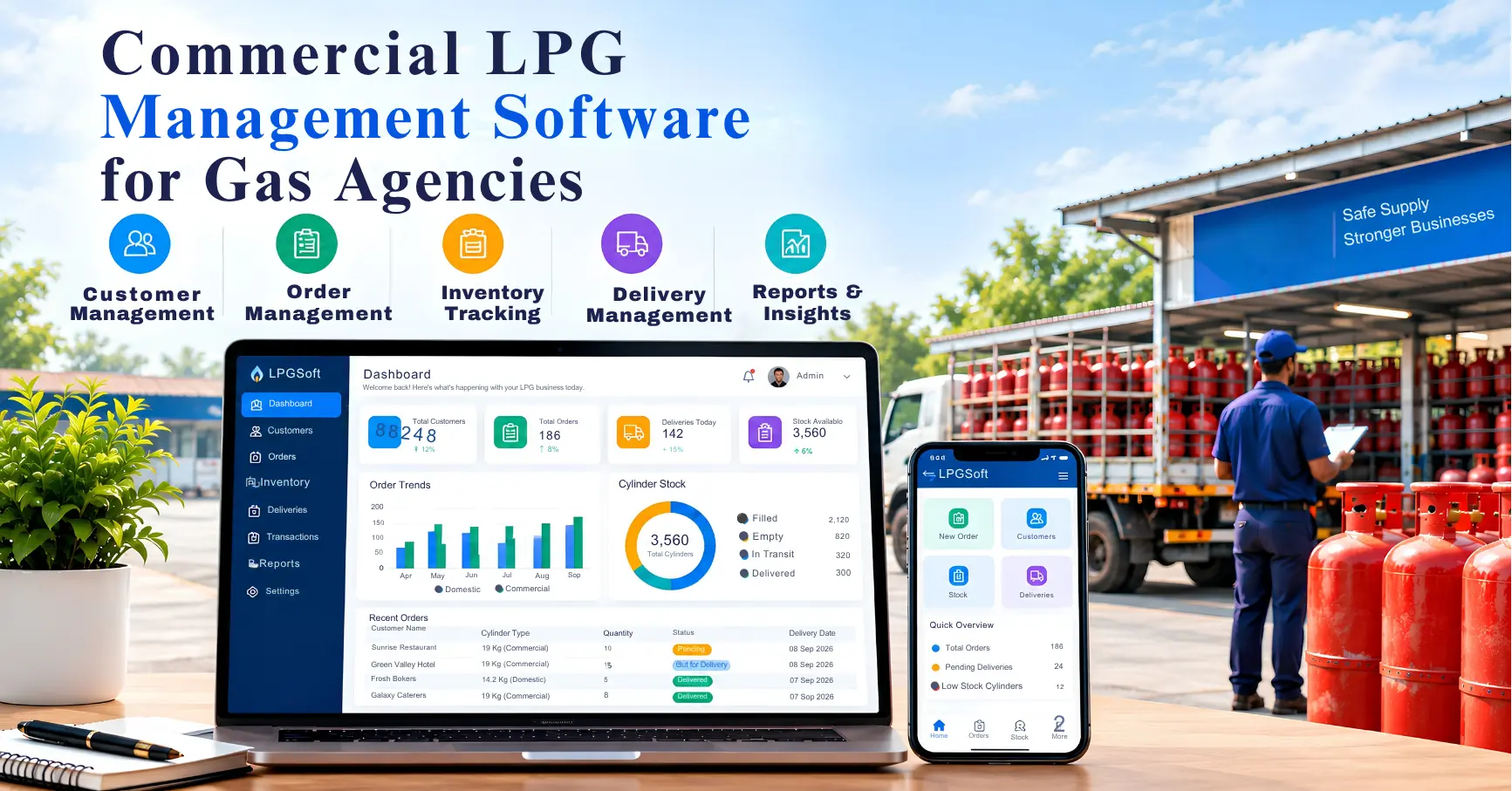
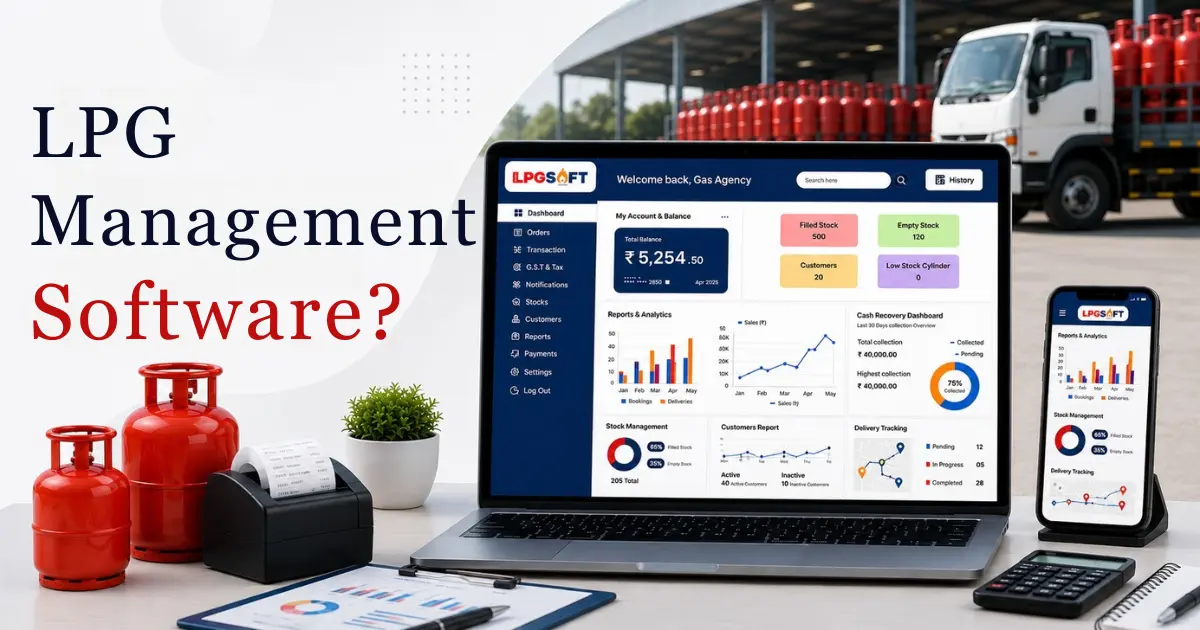
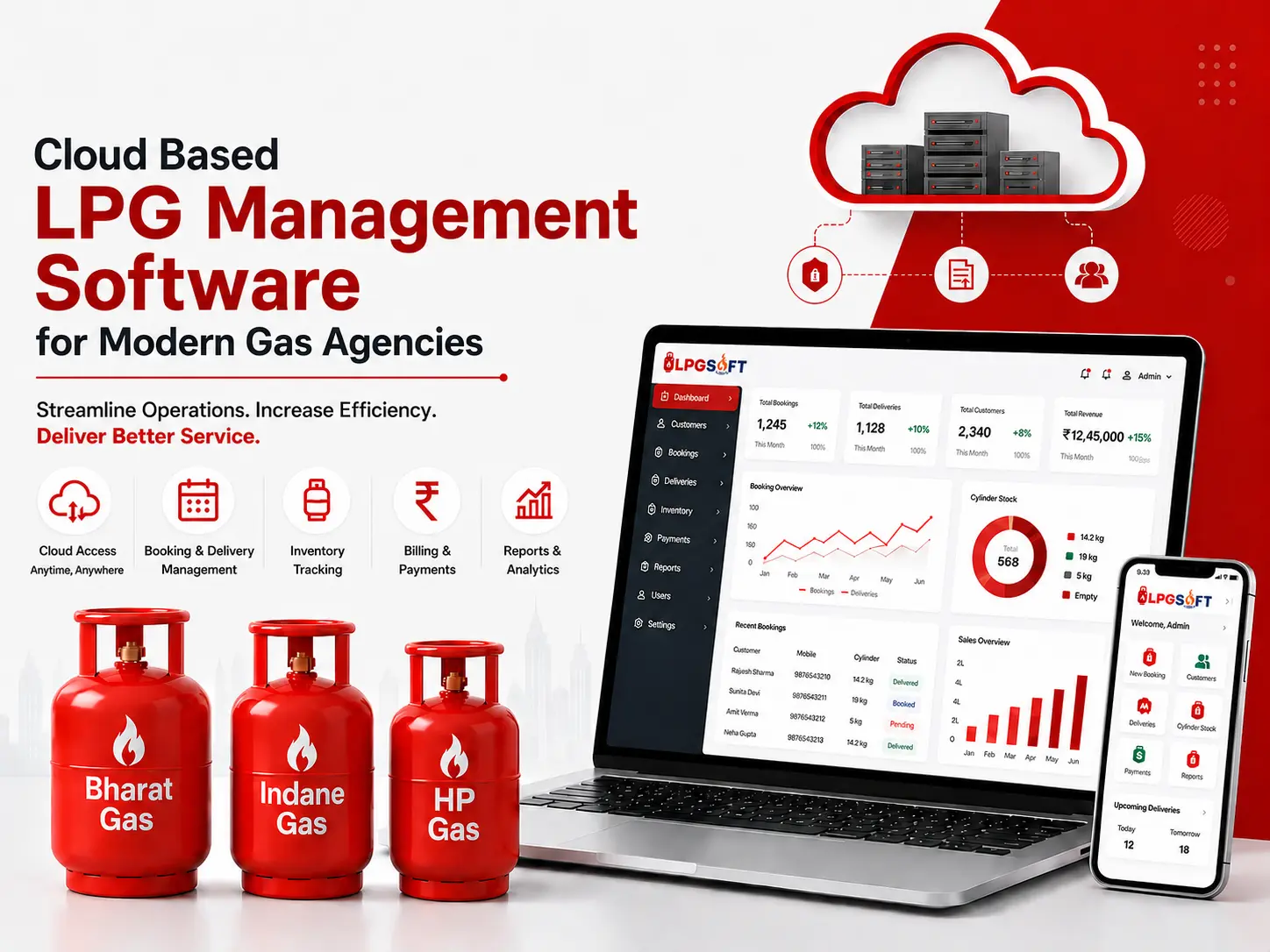
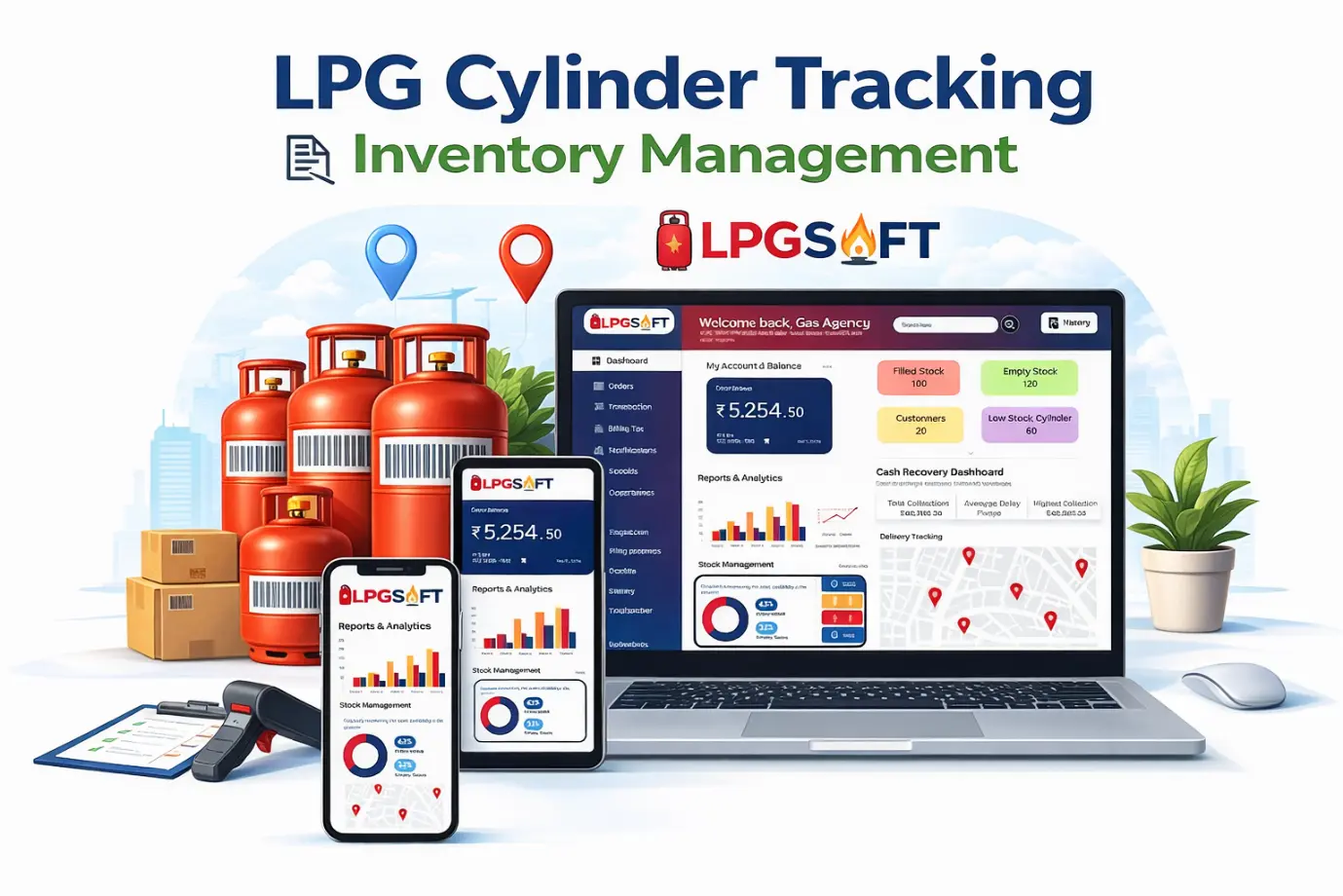
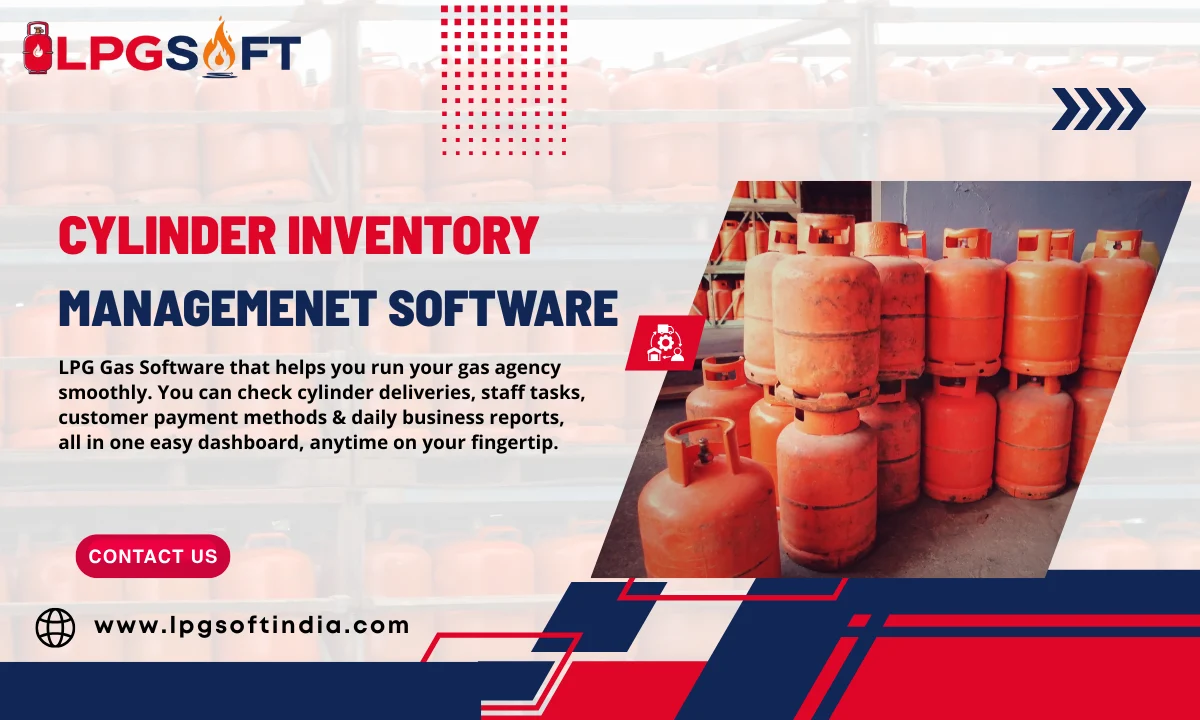
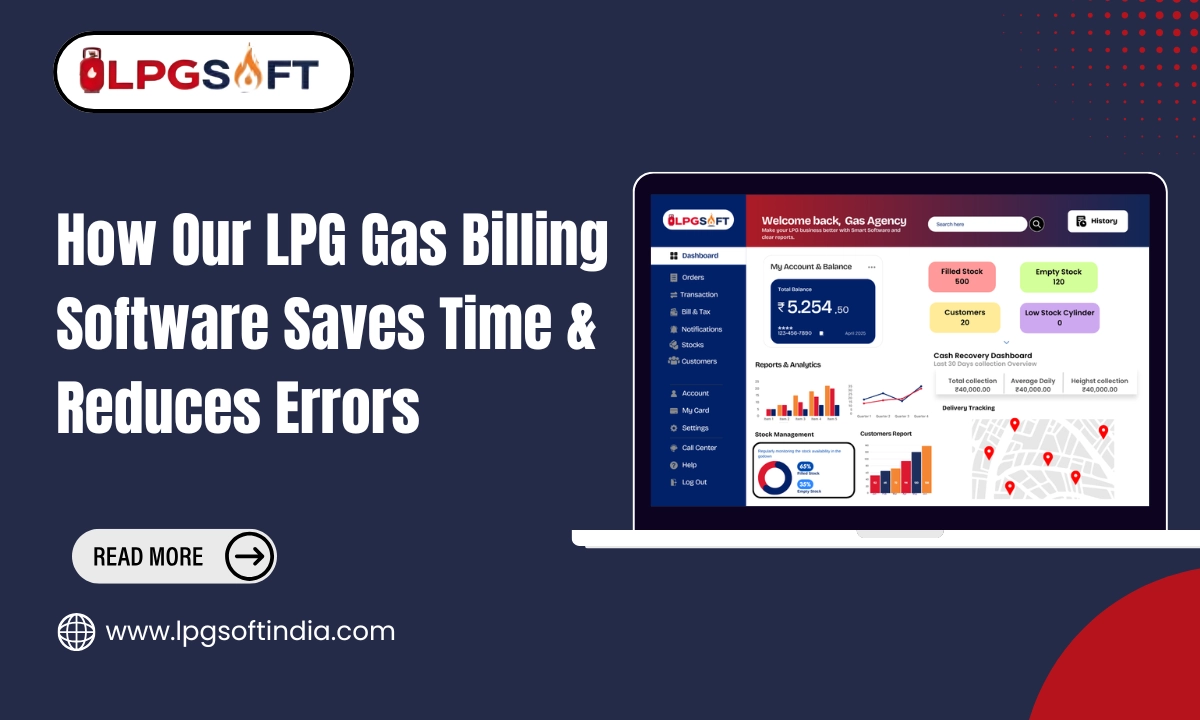
LPGSoft is an LPG agency management software that helps distributors organize important operational records in one centralized system.
It supports key business areas such as:
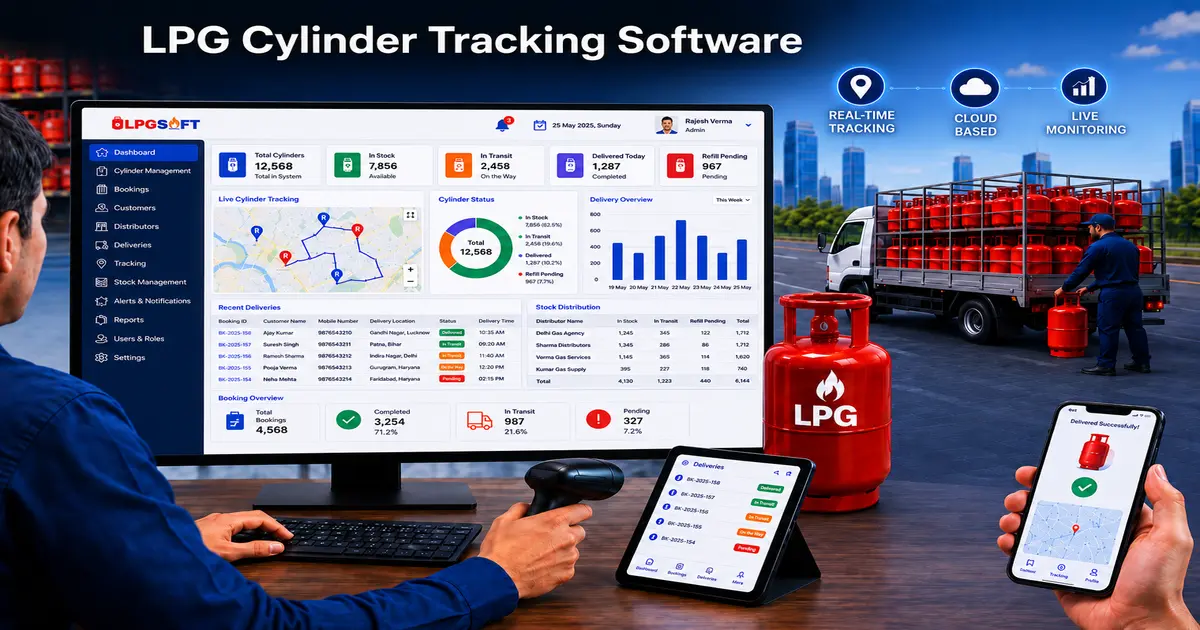
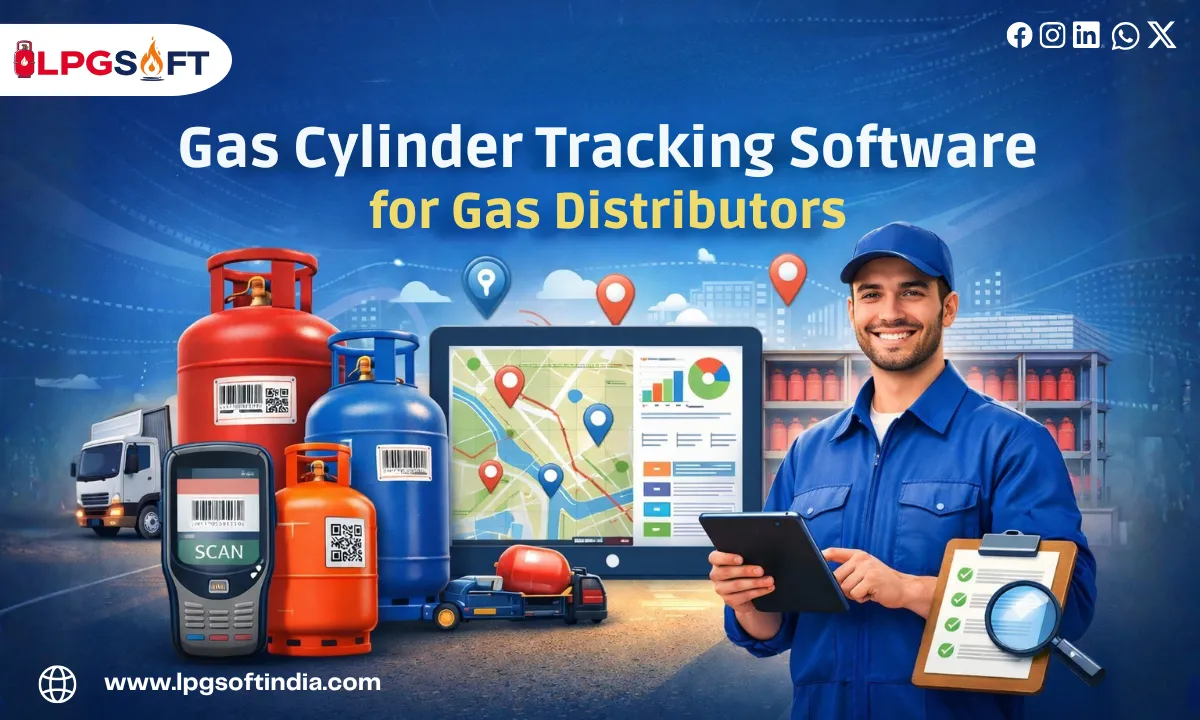
- Inventory and Cylinder Tracking: Monitor filled and empty cylinder movement.
- Customer Management: Maintain customer, booking, delivery, and transaction history.
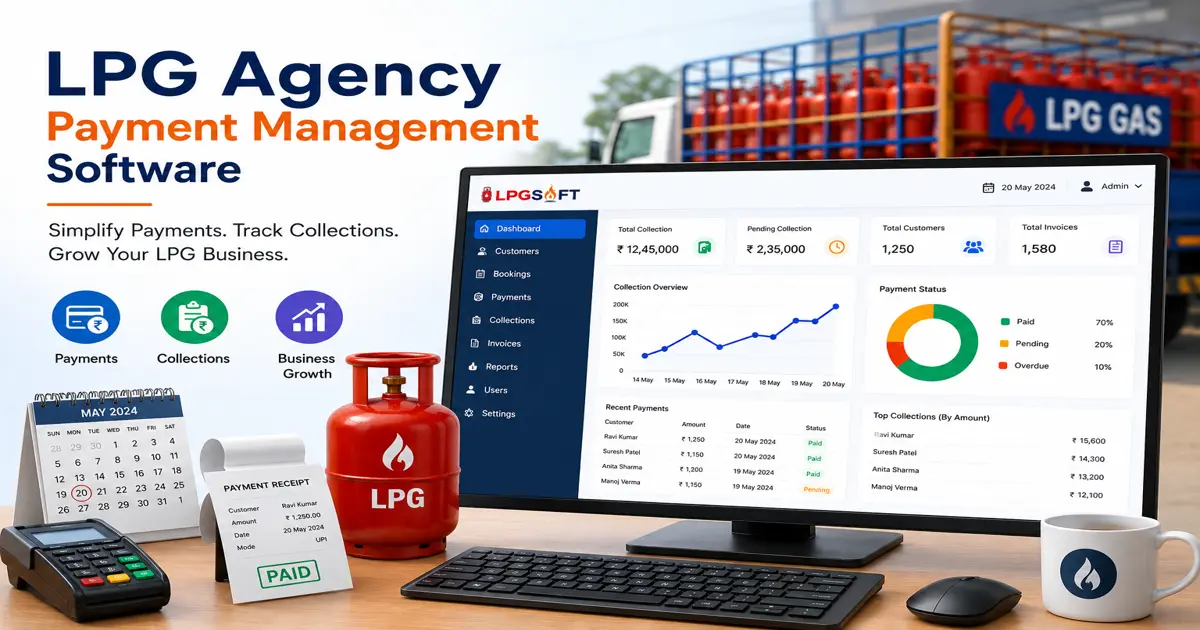
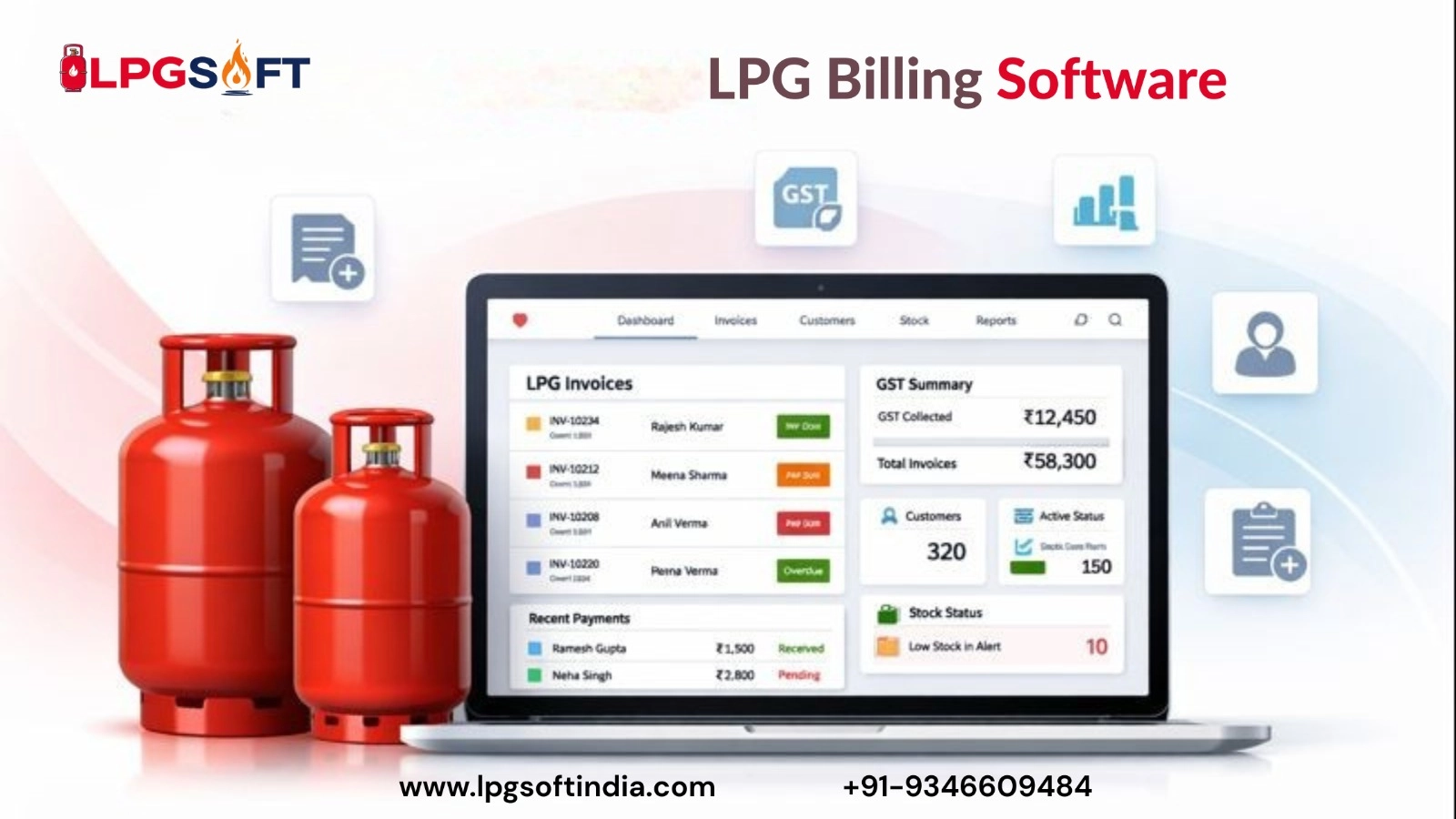
- Billing and Invoicing: Generate accurate invoices and preserve billing records.
- Delivery Management: Track assigned, pending, completed, and returned deliveries.
- Business Reports: Access inventory, sales, payment, collection, and operational reports.
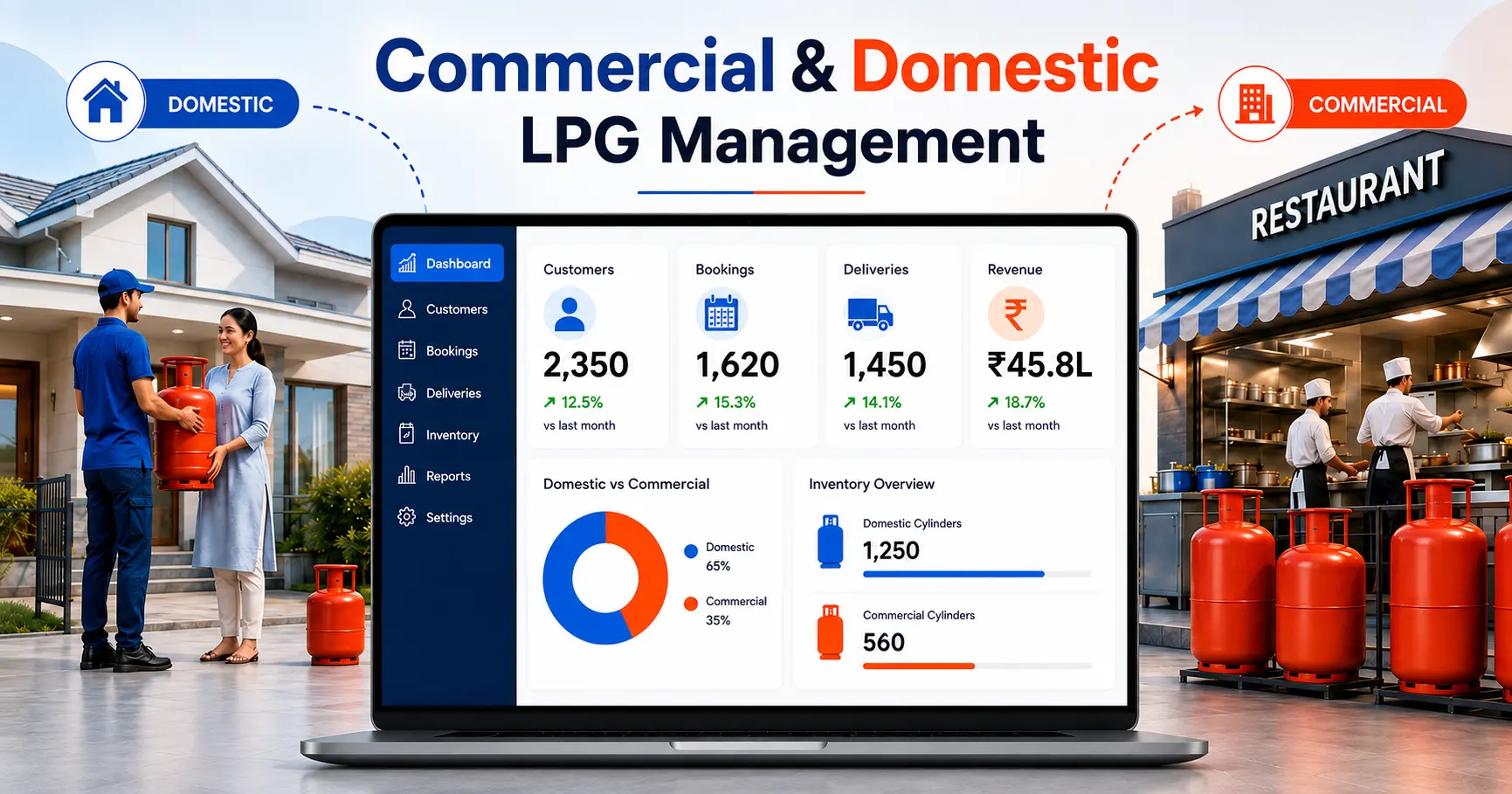
As an LPG distributor software, LPGSoft reduces dependence on disconnected registers and spreadsheets. Agencies looking for organized gas agency software can use it to manage billing, inventory, customers, deliveries, and reports from one system.
However, software alone cannot guarantee audit readiness. Employees must enter transactions accurately, verify stock regularly, and review reports consistently.
Best Practices to Stay Audit-Ready Throughout the Year
Maintaining audit readiness requires consistent record management rather than additional last-minute work.
- Update records daily: Record bookings, invoices, payments, deliveries, cylinder returns, and inventory transactions without delay.
- Verify cylinder stock regularly: Compare physical stock with system records and investigate differences immediately.
- Maintain accurate LPG stock records:Document every receipt, issue, exchange, return, and adjustment.
- Keep customer information current: Update changes in customer contact details, address, connection, or account status.
- Review business reports: Check inventory, billing, delivery, collection, and outstanding reports at regular intervals.
- Follow one documentation process: Ensure every employee uses the same method for entering and updating records.
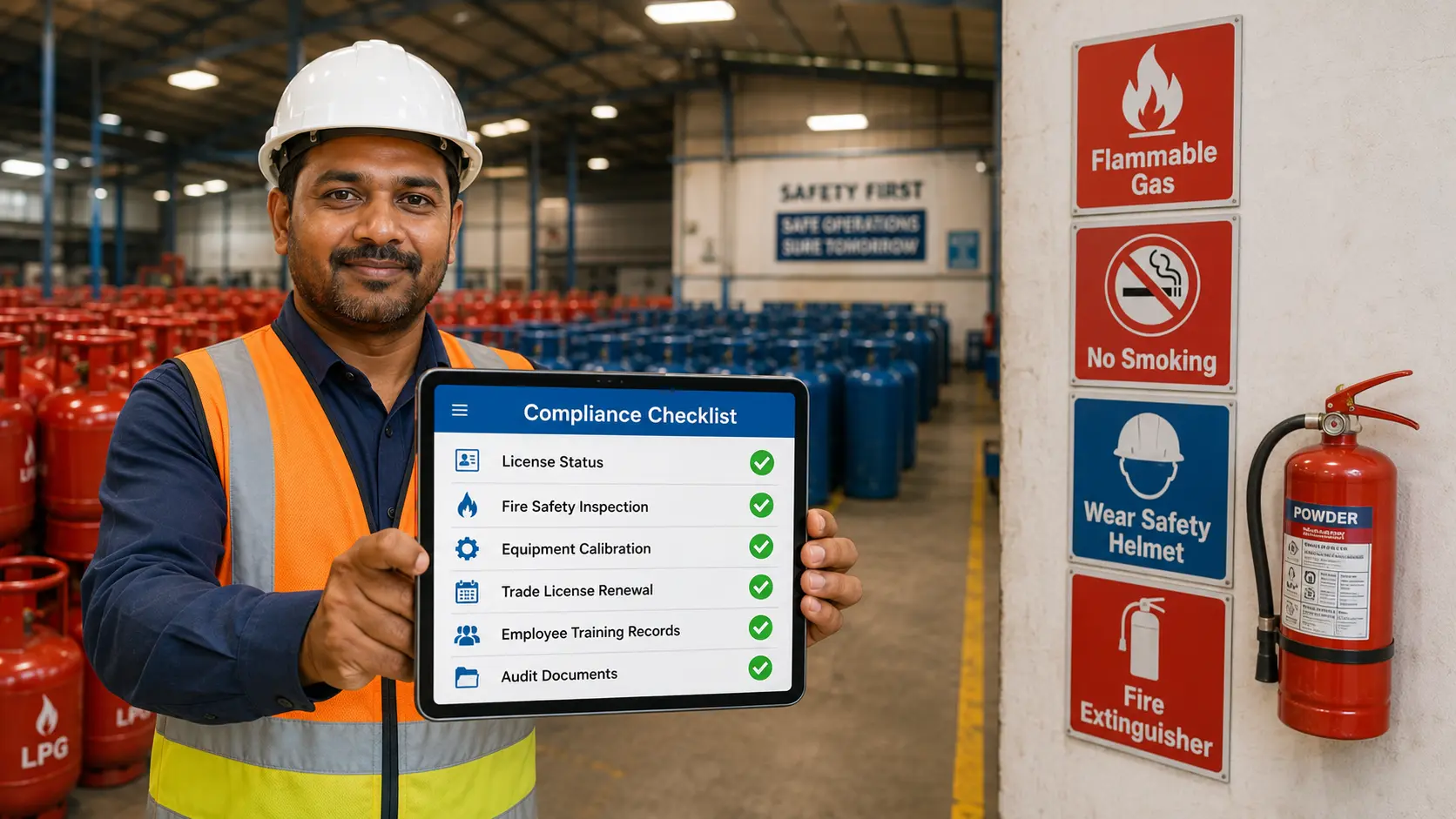
- Use an LPG audit checklist: Review the checklist periodically instead of waiting for an audit notification.
- Train employees: Explain why accurate documentation, stock updates, and delivery confirmation are important.
- Back up digital records: Protect customer, billing, inventory, and financial information from accidental loss.
These practices strengthen LPG inventory management, improve daily operational control, and help agencies remain prepared for an LPG agency audit throughout the year.
FAQ’S
An LPG agency audit is a review of inventory, billing, customer records, deliveries, and operational documents to ensure business records are accurate, organized, and properly maintained
Digital records improve data accuracy, reduce manual errors, simplify record retrieval, and make day-to-day operations more efficient.
Every LPG agency should maintain inventory records, billing records, customer information, booking history, delivery records, payment details, employee activities, and business reports.
Inventory should ideally be verified daily or at regular intervals to identify stock mismatches and maintain accurate cylinder records.
Yes. Since all business information is stored in one system, reports and historical records can be accessed quickly without searching through paper files.
LPG management software helps automate billing, inventory tracking, delivery management, customer record maintenance, reporting, and overall business monitoring.
Conclusion:
Accurate LPG digital records help agencies simplify LPG agency audits, improve inventory control, and reduce billing, stock, and reporting errors. With LPGSoft, distributors can manage inventory, cylinder tracking, customer records, billing, deliveries, and business reports from one centralized system. This improves transparency, supports LPG compliance, and keeps operations audit-ready throughout the year. Stay organized, reduce manual work, and make every audit easier request an LPGSoft demo today for a more accurate, efficient, and future-ready LPG business.