
LPG Soft
10th Oct 2026
How LPG Agencies Can Improve Cylinder Inventory Accuracy
Managing cylinder inventory accurately is one of the most important parts of running an LPG agency. Cylinders continuously move through receiving, storage, dispatch, delivery, customer returns, and refilling. When these movements are not recorded properly, the physical stock can differ from the records.
Effective LPG cylinder inventory management helps agencies maintain accurate records of filled and empty cylinders, incoming stock, dispatches, deliveries, and returns. When every movement is recorded properly, agencies can compare physical stock with recorded inventory and identify discrepancies more easily.
For agencies still depending on registers, spreadsheets, or disconnected records, a structured inventory process can make stock control easier and help identify discrepancies before they become larger operational problems.
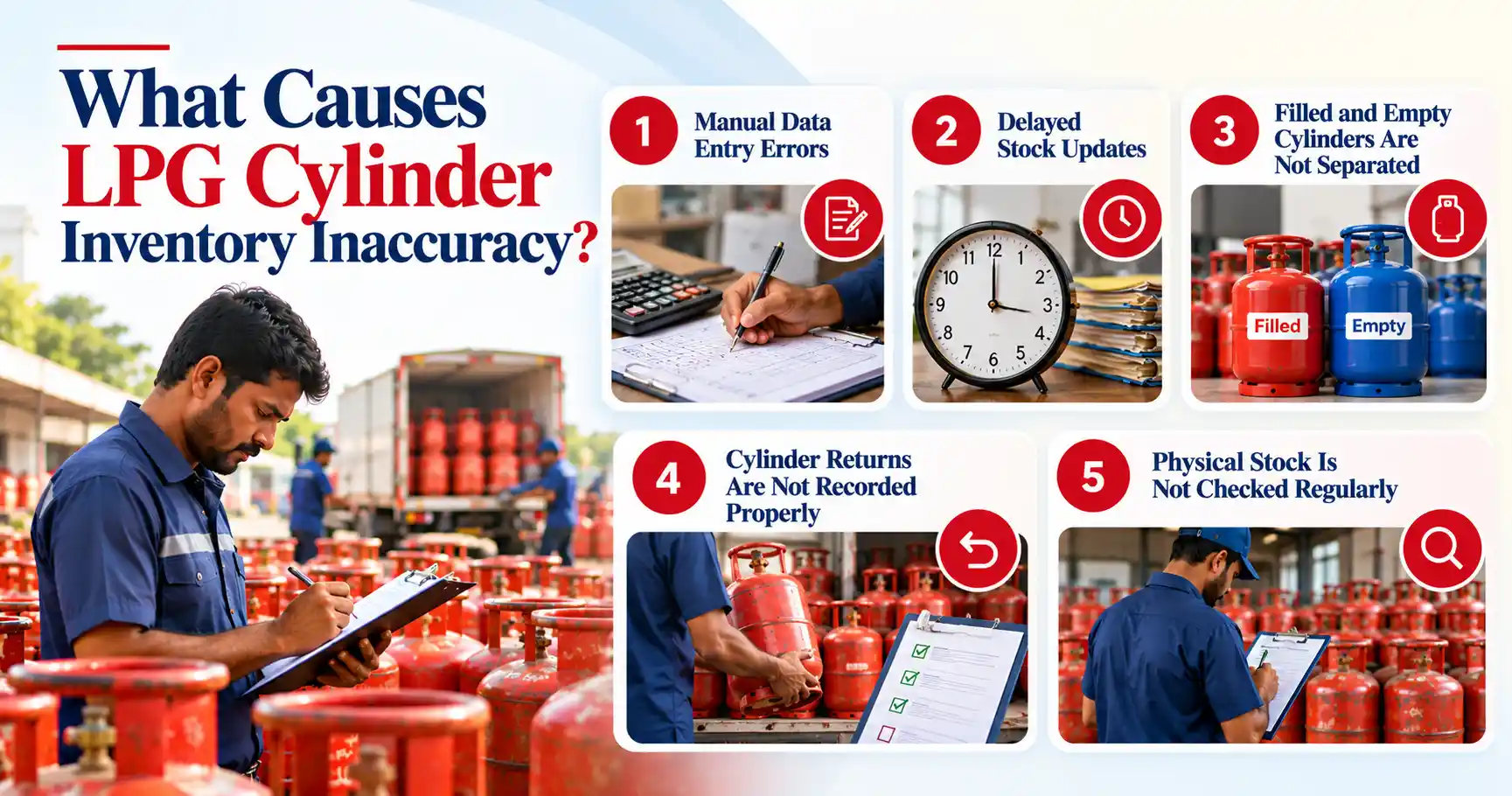
What Causes LPG Cylinder Inventory Inaccuracy?
Cylinder inventory problems usually do not come from one large mistake. Small errors across receiving, dispatch, delivery, and returns can gradually create a difference between actual and recorded stock.
1. Manual Data Entry Errors
When cylinder movements are recorded manually, an entry can be missed, duplicated, or recorded with the wrong quantity. These errors can become difficult to identify when there are many transactions every day.
2. Delayed Stock Updates
A cylinder may already be dispatched or returned physically while the corresponding record is updated later. During that period, the system or register may show an inaccurate stock position.
3. Filled and Empty Cylinders Are Not Separated
LPG agencies need visibility into different cylinder statuses. Treating all cylinders as one stock figure makes it harder to understand how many filled cylinders are actually available for delivery.
4. Cylinder Returns Are Not Recorded Properly
Customer returns are an important part of cylinder inventory. If returned cylinders are not recorded immediately, the physical stock may increase while the recorded inventory remains unchanged.
5. Damaged or Unusable Cylinders Remain in Stock Records
A cylinder that cannot currently be used should not be treated the same as an available cylinder. Without clear status records, reported stock can look higher than the stock that is actually available for operations.
6. Delivery Records Do Not Match Stock Movement
A cylinder dispatched for delivery creates an inventory movement. If the delivery and return information is not updated correctly, reconciliation becomes difficult.
7. Physical Stock Is Not Checked Regularly
Even a well-maintained record can develop discrepancies over time. Regular physical verification helps identify differences between actual cylinders and recorded inventory.
What Is LPG Cylinder Inventory Management?
LPG cylinder inventory management is the process of recording, tracking, and reconciling cylinder stock throughout an LPG agency's daily operations. It covers activities such as receiving cylinders, maintaining filled and empty stock, dispatching cylinders for delivery, recording returns, and checking physical inventory against recorded stock.
A proper inventory management process helps LPG agencies maintain better stock visibility and identify differences before they affect daily operations.
How Can LPG Agencies Improve Cylinder Inventory Accuracy?
Improving inventory accuracy requires more than simply counting cylinders. The agency needs a consistent process for recording and checking every movement.
1. Record the Opening Stock
Start each inventory period with a verified opening quantity.
The opening record should distinguish the relevant cylinder statuses so the team knows what stock is actually available for operations.
2. Separate Filled and Empty Cylinders
Maintain separate visibility for filled and empty cylinders.
This makes it easier to answer basic operational questions such as:
- How many filled cylinders are available?
- How many empty cylinders have been returned?
- How many cylinders are currently outside the agency?
- How many cylinders are available for the next delivery cycle?
3. Record Every Cylinder Movement
Every significant movement should be reflected in the inventory record.
This includes:
- Cylinders received
- Cylinders filled or refilled
- Cylinders dispatched
- Cylinders delivered
- Empty cylinders returned
- Cylinders sent for return or replacement
- Damaged or unavailable cylinders
A complete movement history makes it easier to trace where a discrepancy occurred.
4. Update Dispatches on Time
When cylinders leave the agency for delivery, the stock record should reflect the movement without unnecessary delay.
Timely updates give staff a more accurate view of available inventory and reduce confusion during the next dispatch cycle.
5. Record Cylinder Returns
Returned cylinders should be updated as soon as the return is confirmed.
This is particularly important when delivery staff handle a large number of customer deliveries and returns throughout the day.
6. Keep Damaged Cylinders Separate
If cylinders are damaged, unavailable, or under maintenance, their status should be recorded separately from usable inventory.
This prevents unavailable cylinders from being counted as ready-to-deliver stock.
7. Reconcile Physical and Recorded Stock
Regular reconciliation is one of the most important inventory controls.
Compare:
Physical cylinder count ↔ Recorded inventory
If there is a difference, investigate the relevant receiving, dispatch, delivery, return, or adjustment records instead of simply changing the final number.
8. Review Inventory Reports Regularly
Daily or periodic stock reports can help identify unusual differences, movement patterns, and inventory issues.
The objective is not just to produce a report, but to use the information to correct discrepancies and improve the process.
What Should an LPG Agency Track in Cylinder Inventory?
An LPG agency should have clear visibility into the different types of cylinder movements and statuses.
| Inventory Item | What Should Be Tracked? |
|---|---|
| Filled cylinders | Available, dispatched, delivered |
| Empty cylinders | Returned and available |
| Incoming cylinders | Received from suppliers or refill points |
| Dispatched cylinders | Sent for delivery |
| Returned cylinders | Returned from customers or delivery routes |
| Damaged cylinders | Damaged or unavailable stock |
| Cylinders in transit | Currently outside the main inventory location |
The exact categories may vary based on how an agency operates, but the basic principle remains the same: the recorded inventory should reflect the actual movement and status of cylinders.
How Does LPG Cylinder Stock Reconciliation Work?
Cylinder reconciliation means comparing the expected inventory with the physical stock available at the agency.
A simple inventory calculation can be represented as:
Opening Stock + Receipts − Dispatches + Returns ± Adjustments = Expected Closing Stock
For example, if an agency starts with 500 cylinders, receives 100 additional cylinders, and dispatches 250 cylinders, the expected balance would be 350 cylinders, before considering any additional returns or adjustments.
The agency can then compare this expected figure with the physical count.
If the physical count is different, the team can review:
- Receiving records
- Dispatch records
- Delivery records
- Return records
- Damaged or unavailable cylinders
- Manual adjustments
This makes reconciliation a process of finding and understanding the difference, rather than simply changing the stock number.
Manual Cylinder Inventory vs Digital Inventory Management
Manual records can work for simple operations, but maintaining accuracy becomes more difficult as the number of daily transactions increases.
| Process Area | Manual Inventory | Digital Inventory Management |
|---|---|---|
| Stock updates | Manual entries | Digital updates |
| Filled/empty visibility | Requires separate checking | Easier to monitor |
| Cylinder movement | Registers or spreadsheets | Centralized records |
| Reconciliation | Time-consuming | Faster to review |
| Reports | Prepared manually | Generated from recorded data |
| Stock visibility | Limited between updates | Better operational visibility |
| Error investigation | Requires checking multiple records | Easier with centralized history |
The goal of digital inventory management is not simply to replace a register. It is to create a more consistent record of what came in, what went out, what was returned, and what is currently available.
What Should LPG Cylinder Inventory Management Software Track?
The right LPG cylinder inventory management software should do more than maintain a basic stock count. It should help agencies record cylinder movements, monitor stock status, manage returns, and generate reports that support daily inventory control.
A suitable system should support important operational areas such as:
Cylinder Stock Management
Track available cylinder inventory and relevant stock movements.
Filled and Empty Cylinder Tracking
Maintain visibility into different cylinder statuses.
Cylinder Returns
Record returned cylinders and update inventory accordingly.
Delivery-Related Movements
Connect cylinder dispatch and delivery activities with inventory records.
Inventory Reports
Provide daily, monthly, and other relevant stock reports for review.
Purchase and Return Records
Maintain records related to cylinder purchases and returns.
Customer and Transaction History
Connect customer activity with delivery and transaction records where required.
Centralized Operational Data
Keep important inventory and business information in one system rather than spreading it across multiple registers or spreadsheets.
These capabilities help an agency build a more consistent inventory process and make stock information easier to review.
How LPGSoft Helps Improve Cylinder Inventory Accuracy
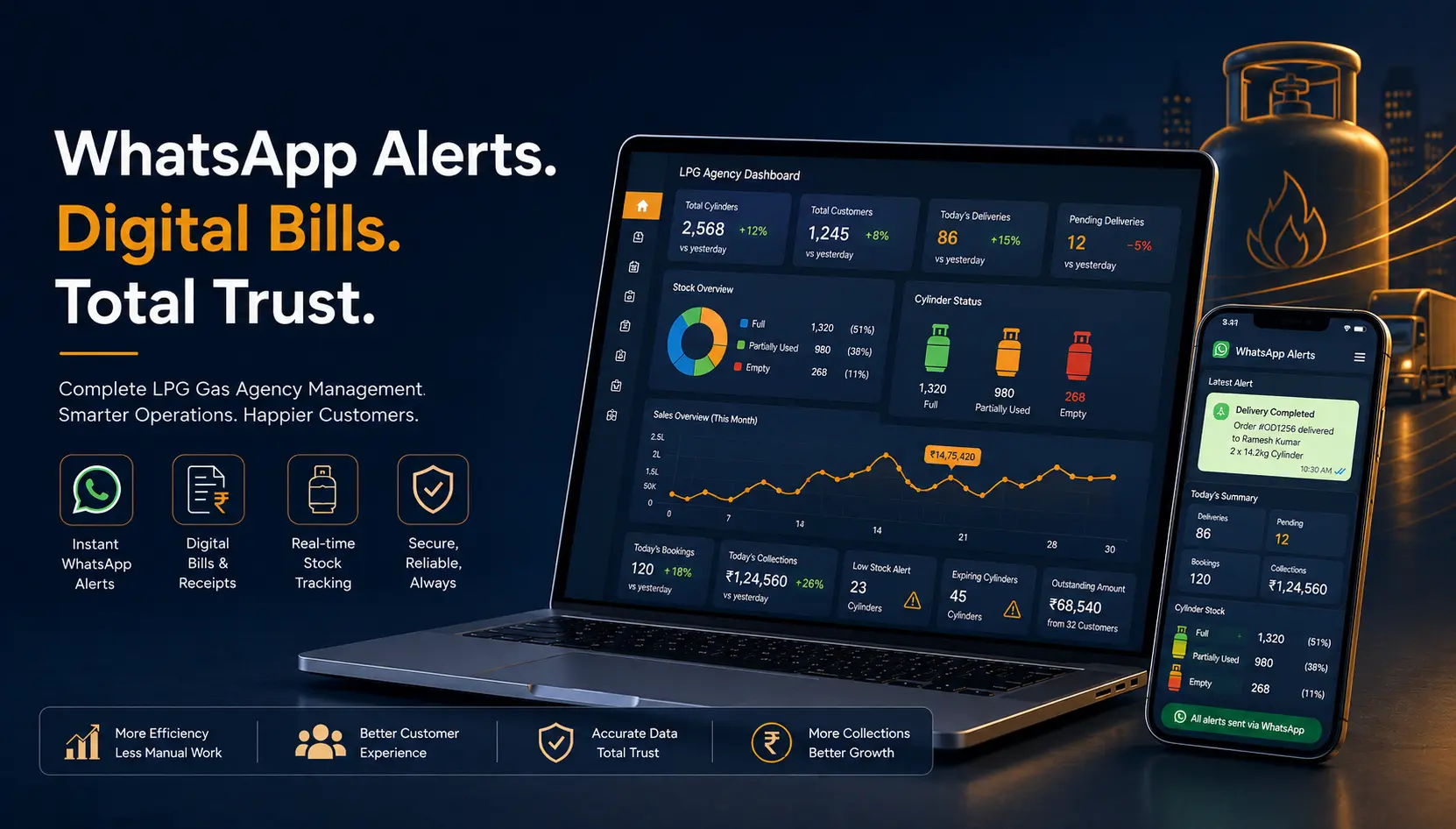
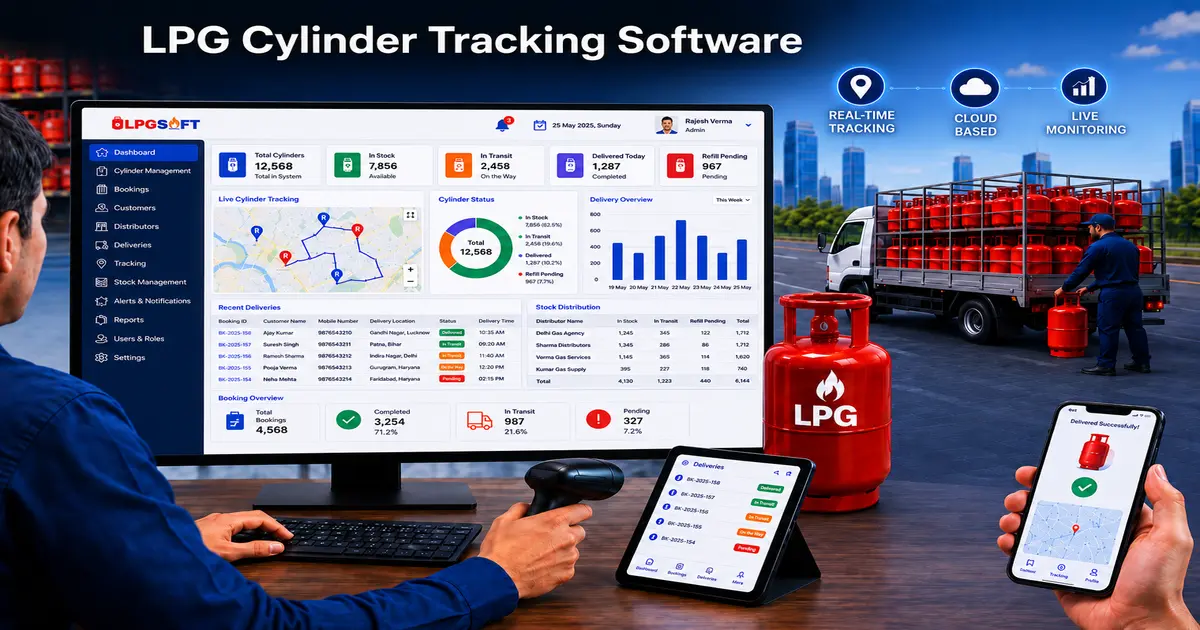
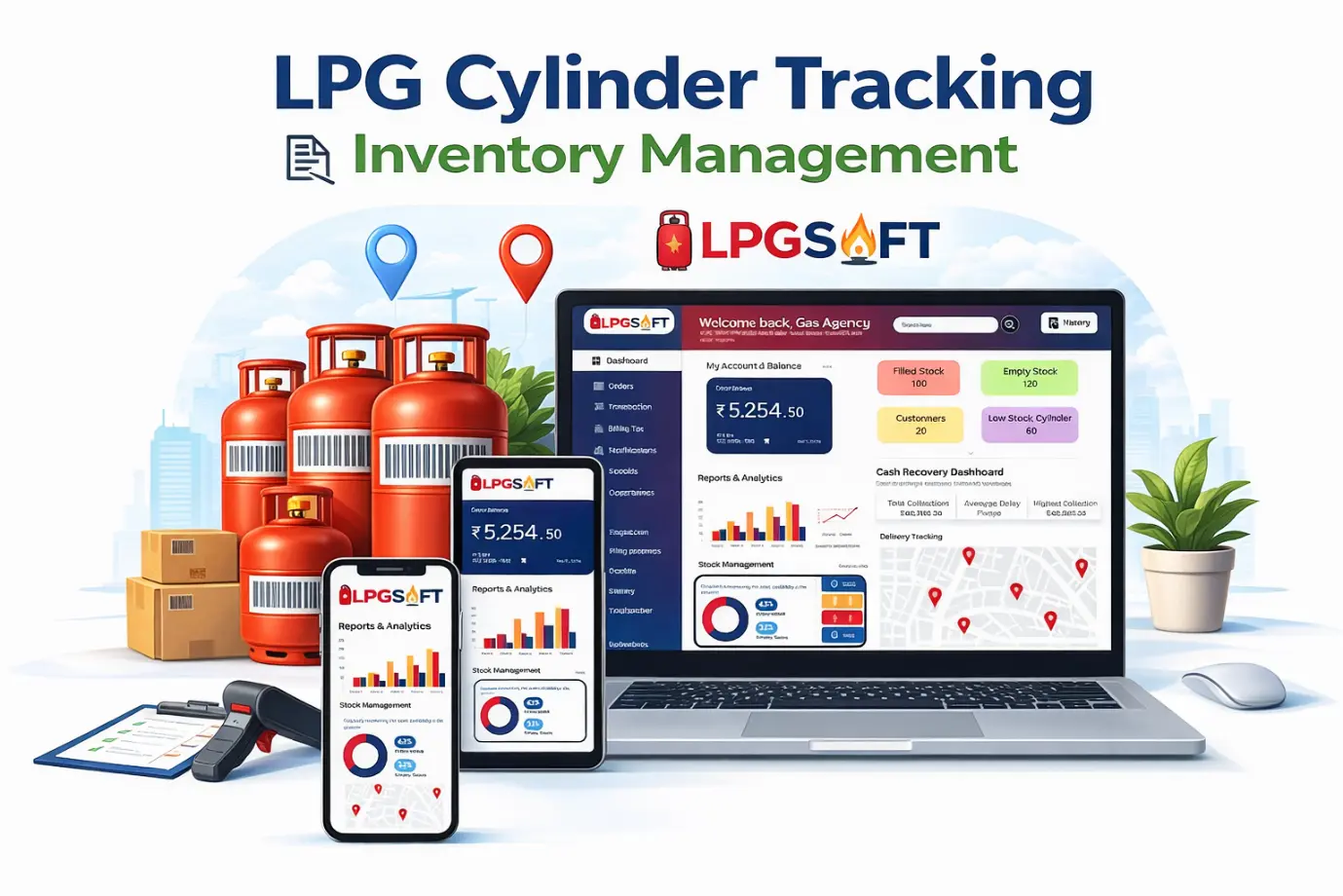
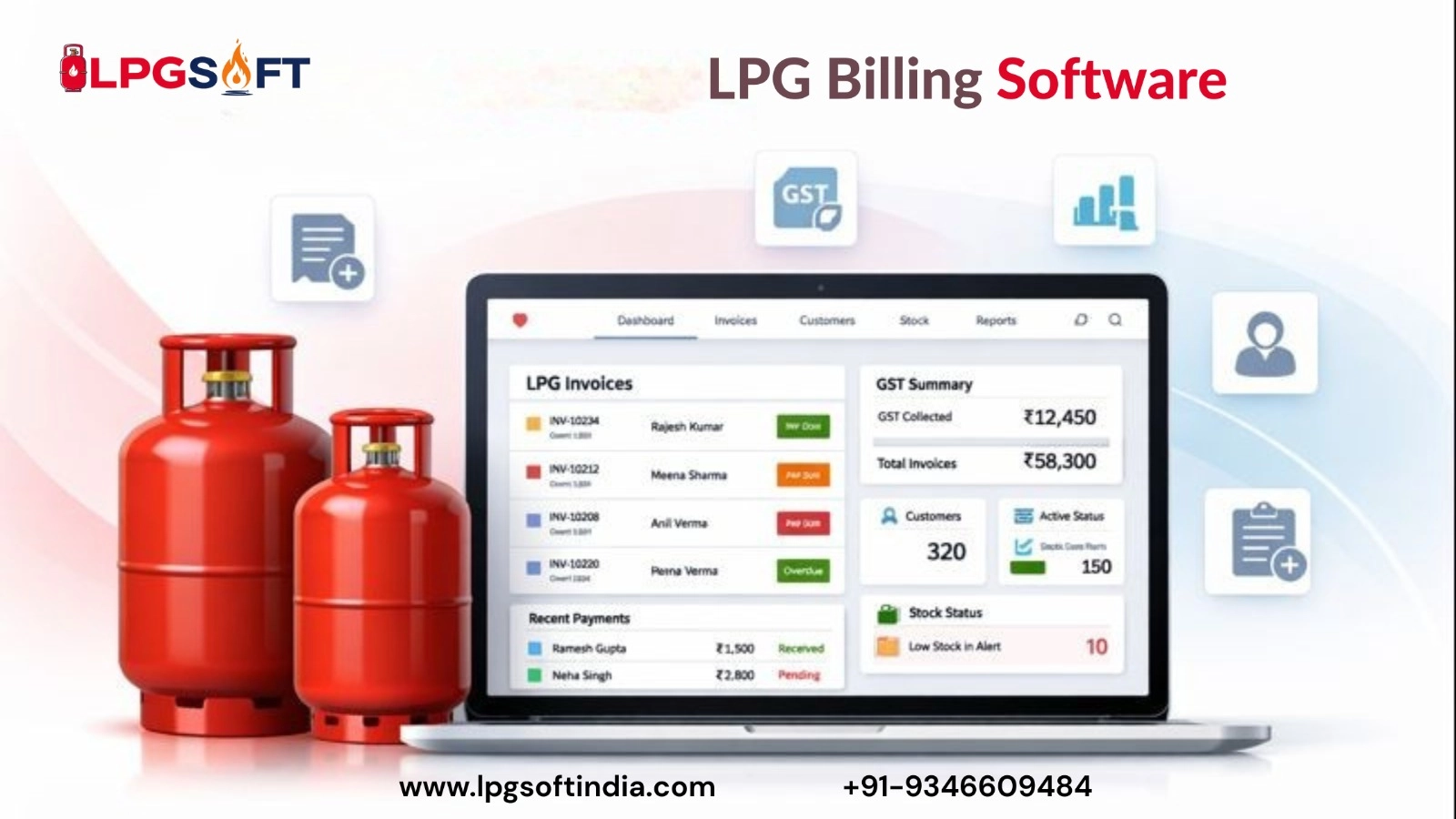
LPGSoft provides LPG agencies with tools to support cylinder inventory management, delivery operations, customer records, and reporting. By keeping important inventory and operational information in one system, agencies can improve visibility into daily cylinder movements and stock.
Its current feature set includes cylinder return management, delivery assignment and status tracking, inventory reports, daily/monthly sales and stock reports, and cylinder purchase and return reports.
For cylinder-focused operations, LPGSoft can help agencies:
- Track cylinder inventory digitally
- Monitor filled and empty cylinder movement
- Record cylinder returns during delivery
- Maintain delivery and cylinder movement records
- Review daily and monthly stock reports
- Check cylinder purchase and return information
- Keep customer and transaction information organized
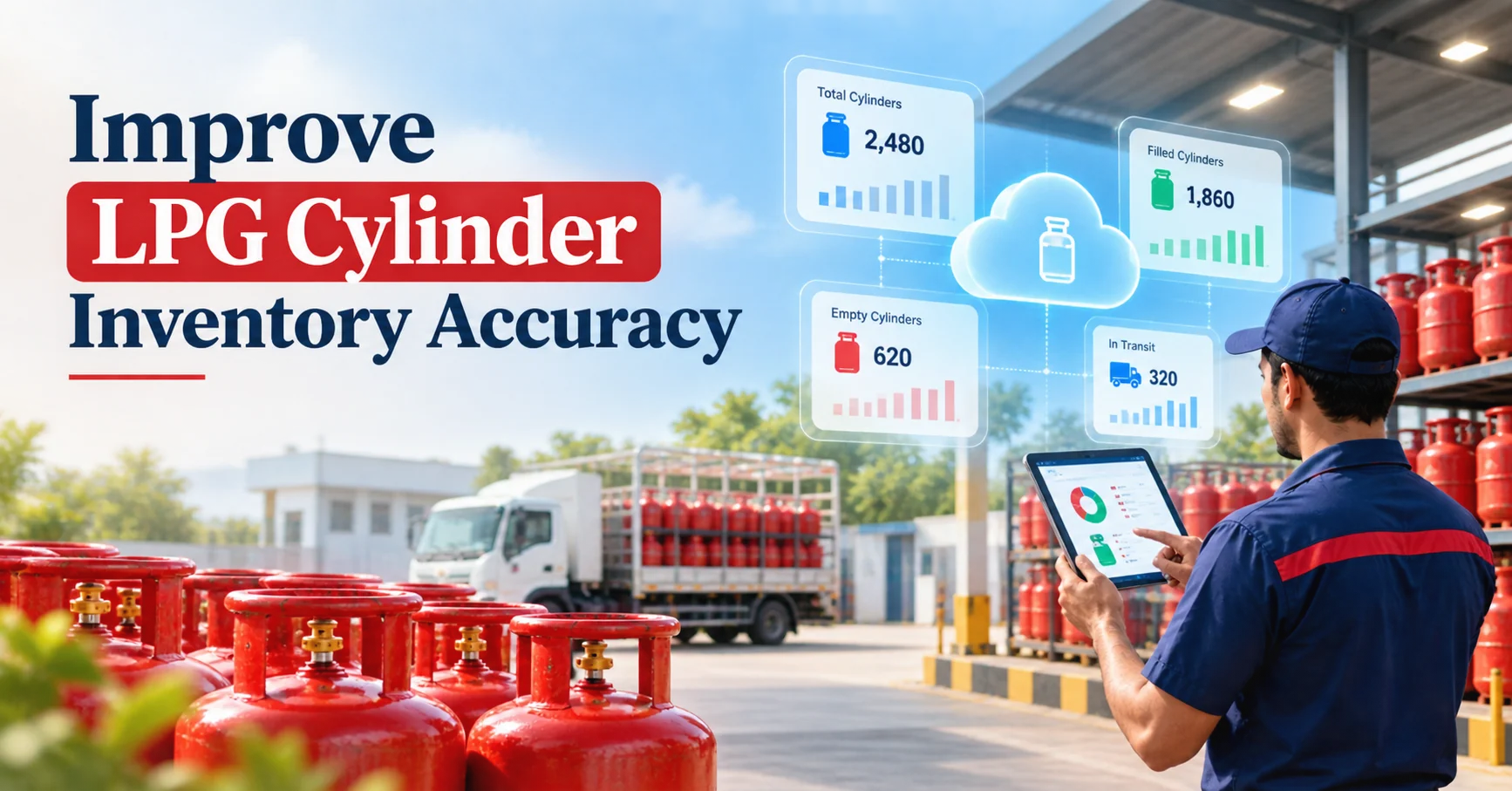
LPGSoft's existing cylinder inventory guidance also describes centralized inventory records and visibility into filled, empty, and in-transit cylinders.
The key advantage is better visibility into daily cylinder movement, making it easier for agency teams to identify discrepancies and keep inventory records aligned with physical stock.
Daily LPG Cylinder Inventory Accuracy Checklist
A simple daily check can help an LPG agency catch inventory differences before they become difficult to trace.
Before Closing Daily Operations
- □ Verify opening stock
- □ Check filled cylinder stock
- □ Check empty cylinder stock
- □ Record all received cylinders
- □ Record all dispatched cylinders
- □ Update delivered cylinders
- □ Record returned cylinders
- □ Separate damaged or unavailable cylinders
- □ Compare physical stock with recorded stock
- □ Investigate any stock difference
- □ Review the daily inventory report
This checklist can be adapted to the agency's own workflow. The important part is to make stock verification a regular process rather than something done only when a discrepancy appears.
Stop Losing Time to Cylinder Stock Mismatches
LPGSoft centralizes cylinder inventory, deliveries, returns, and reports, helping LPG agencies improve stock visibility and reduce manual tracking.
Take control of your cylinder inventory today.
Call: +91 9346609484
Final Thoughts
Better Inventory Accuracy Starts with Better Control
Accurate cylinder inventory depends on tracking every movement from receiving and dispatch to returns and reconciliation. LPGSoft helps LPG agencies centralize inventory and daily operations, reducing manual tracking and improving stock visibility.
If your agency still relies on registers or spreadsheets, LPGSoft can help you move toward more organized and reliable inventory management.
Start with a better way to control your cylinder inventory with LPGSoft.
FAQ’S
An LPG agency can maintain accurate inventory by recording every cylinder movement, separating filled and empty cylinders, updating dispatches and returns on time, regularly counting physical stock, and reconciling it with digital records.
Common causes include manual entry errors, delayed stock updates, unrecorded returns, incorrect dispatch records, damaged cylinders being counted as available stock, and infrequent physical reconciliation.
Filled and empty cylinders should be recorded separately, with their movements updated when cylinders are received, dispatched, delivered, returned, or otherwise moved between operational stages.
Cylinder reconciliation helps identify differences between physical and recorded stock. Regular reconciliation can make it easier to find missing entries, incorrect quantities, delayed updates, or other inventory issues.
LPG cylinder inventory management is the process of tracking cylinder stock and movements, including receiving, dispatch, delivery, returns, and reconciliation. It helps LPG agencies maintain accurate records and better visibility into their available inventory.
It should ideally support cylinder stock, filled and empty cylinders, dispatches, deliveries, returns, purchases, relevant customer transactions, and inventory reporting.