
LPG Soft
14th Oct 2026
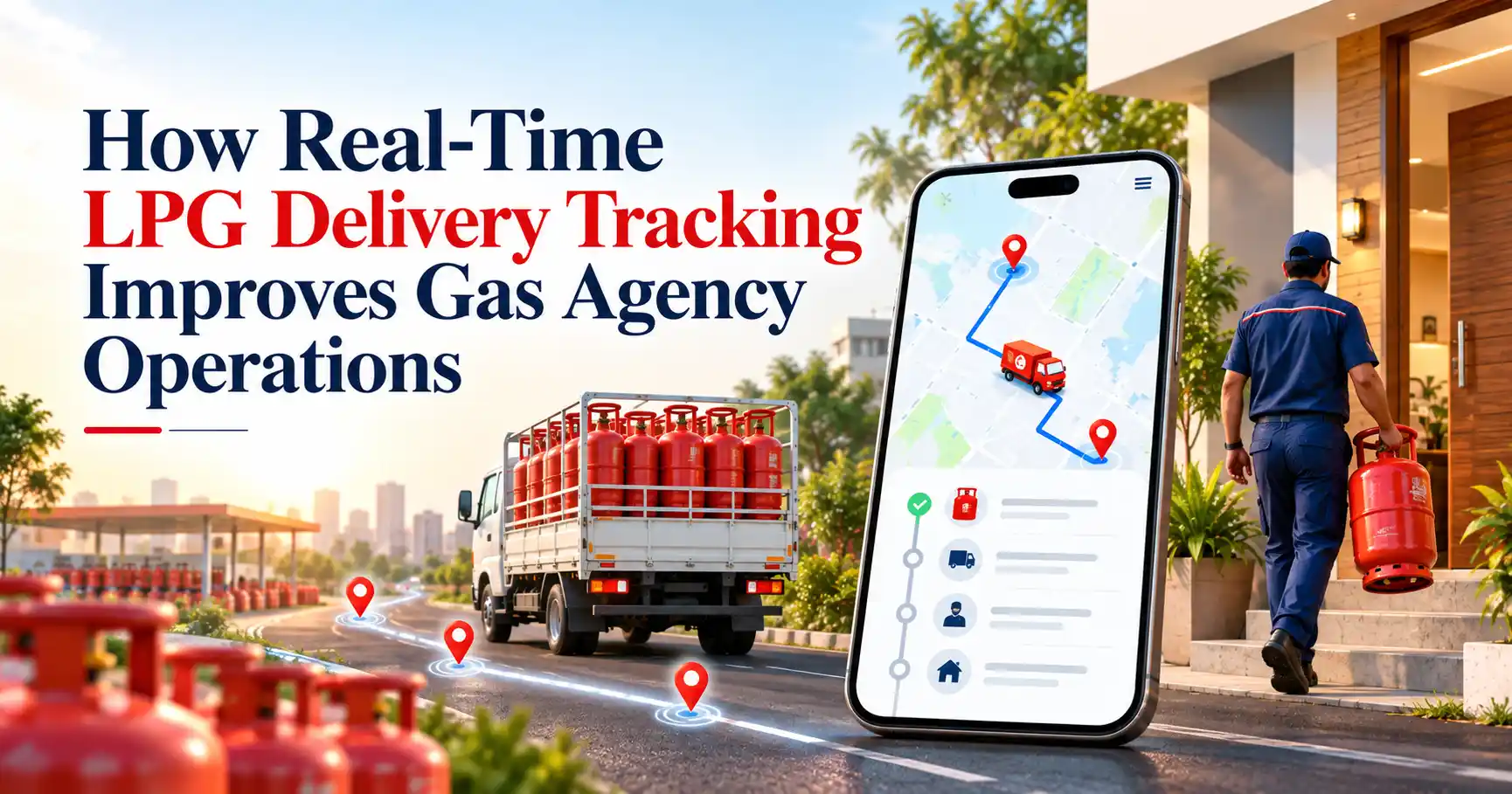
How Real-Time LPG Delivery Tracking Improves Gas Agency Operations
c, check cylinder availability, track pending orders, handle customer enquiries, and maintain accurate delivery records. When these activities depend on phone calls and manual registers, keeping track of daily operations can become difficult.
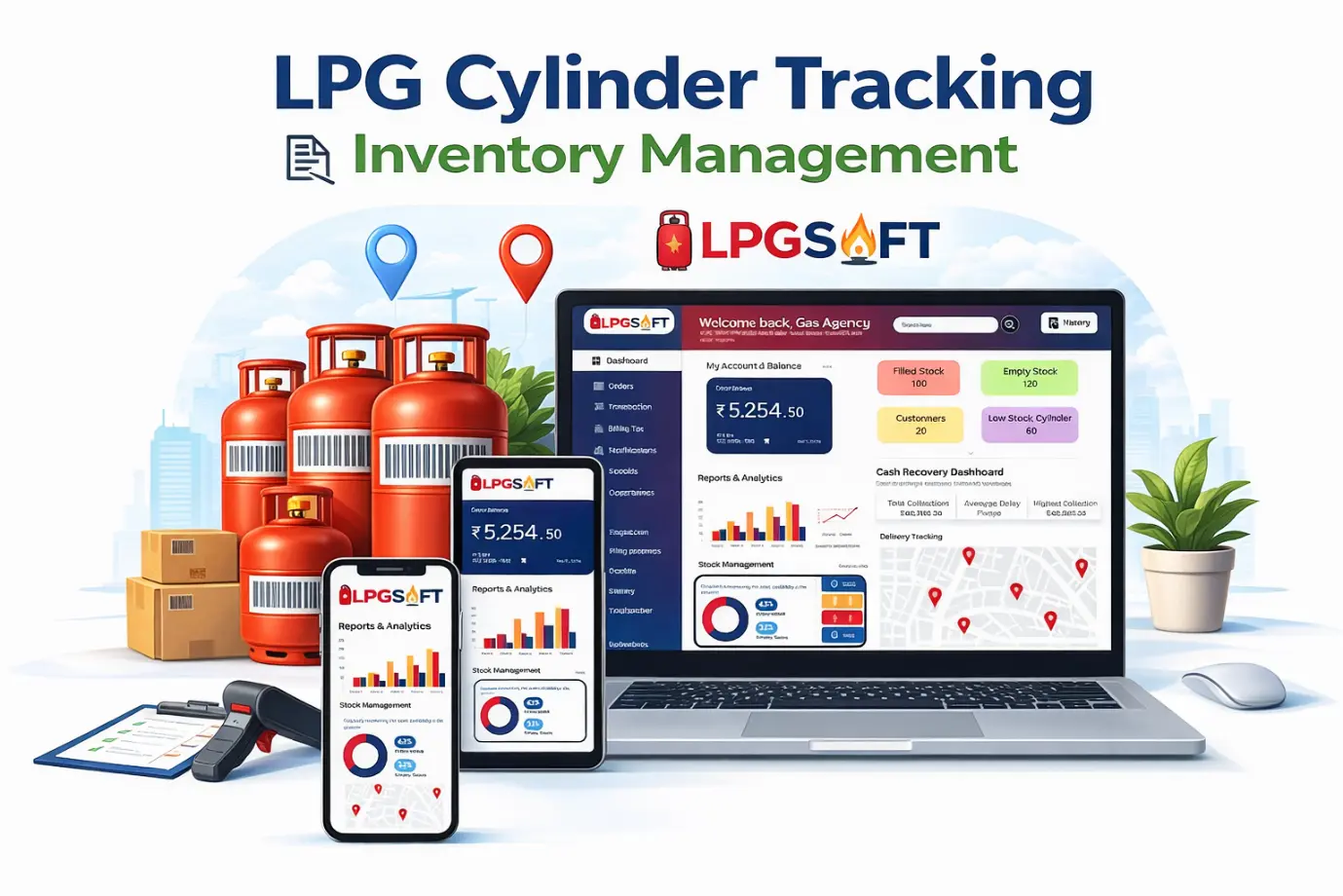
Real-time LPG delivery tracking helps gas agencies monitor delivery progress, improve staff coordination, reduce communication gaps, and maintain better control over daily deliveries. With the right LPG delivery management software, agencies can organize orders, review delivery updates, and identify delays before they create bigger problems.
In this blog, we will explain how real-time LPG delivery tracking works, its key benefits, and how it can help gas agencies improve their daily operations.
What Is Real-Time LPG Delivery Tracking?
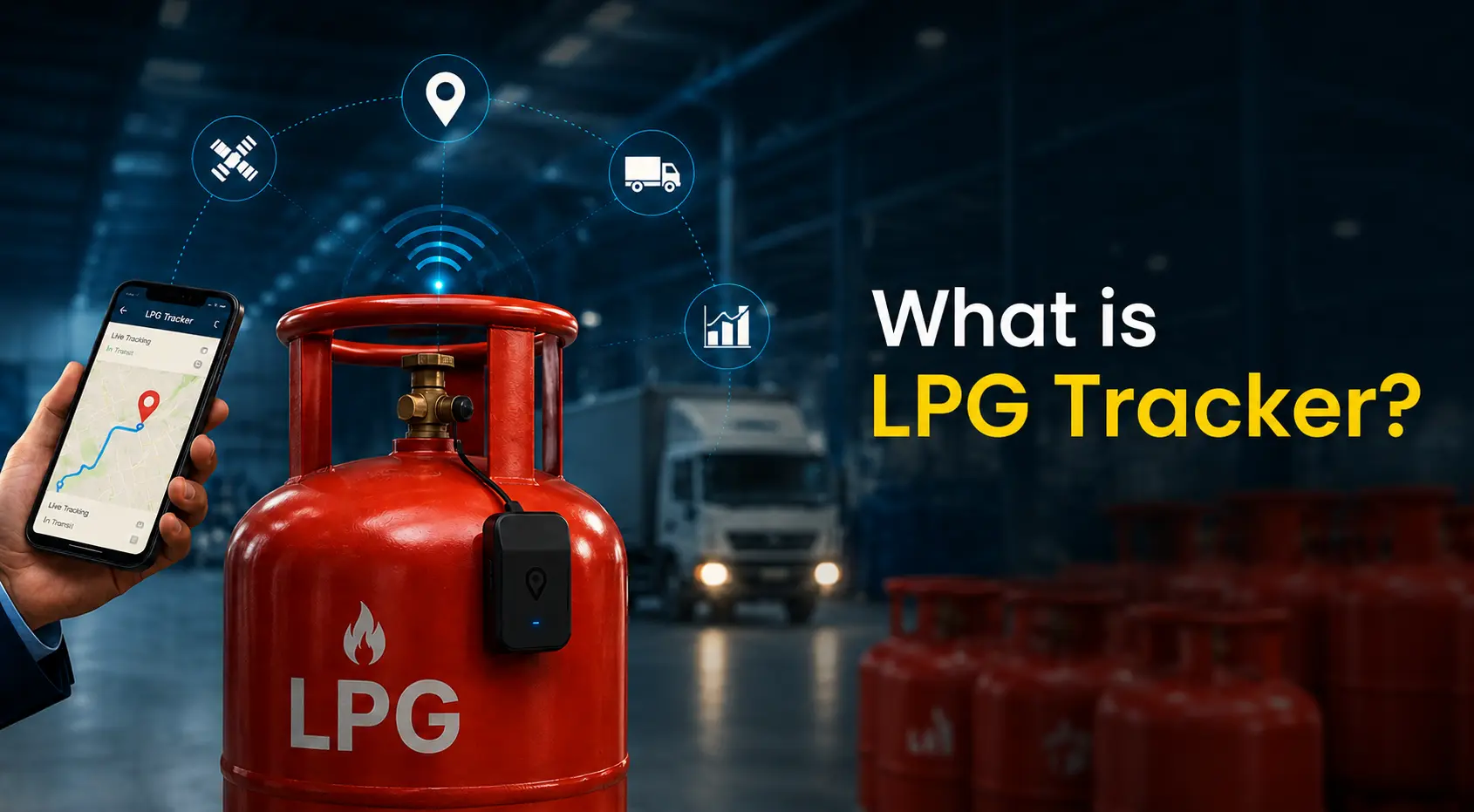
Real-time LPG delivery tracking is a way of monitoring the progress of gas cylinder deliveries from dispatch to completion using digital systems.
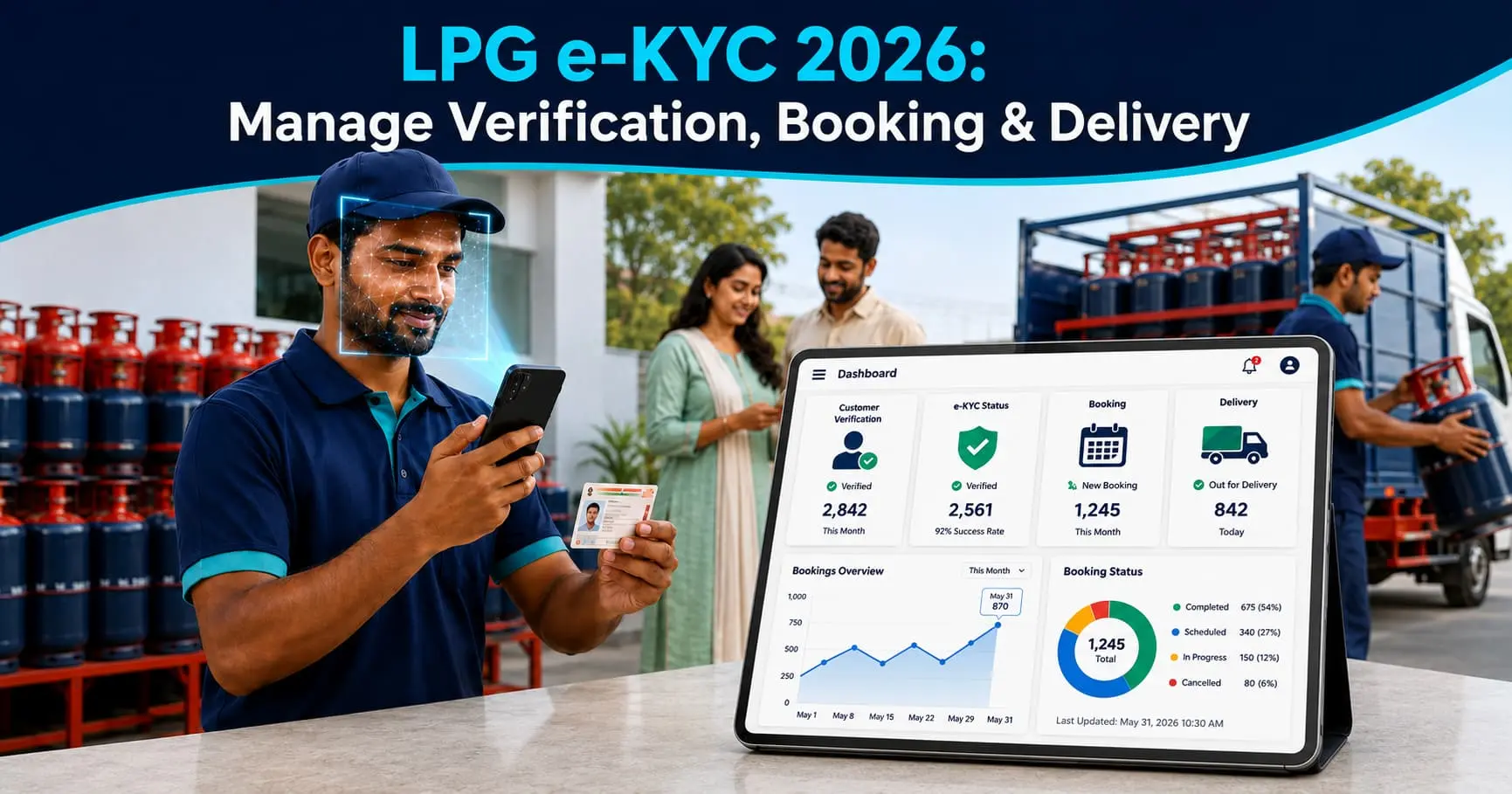
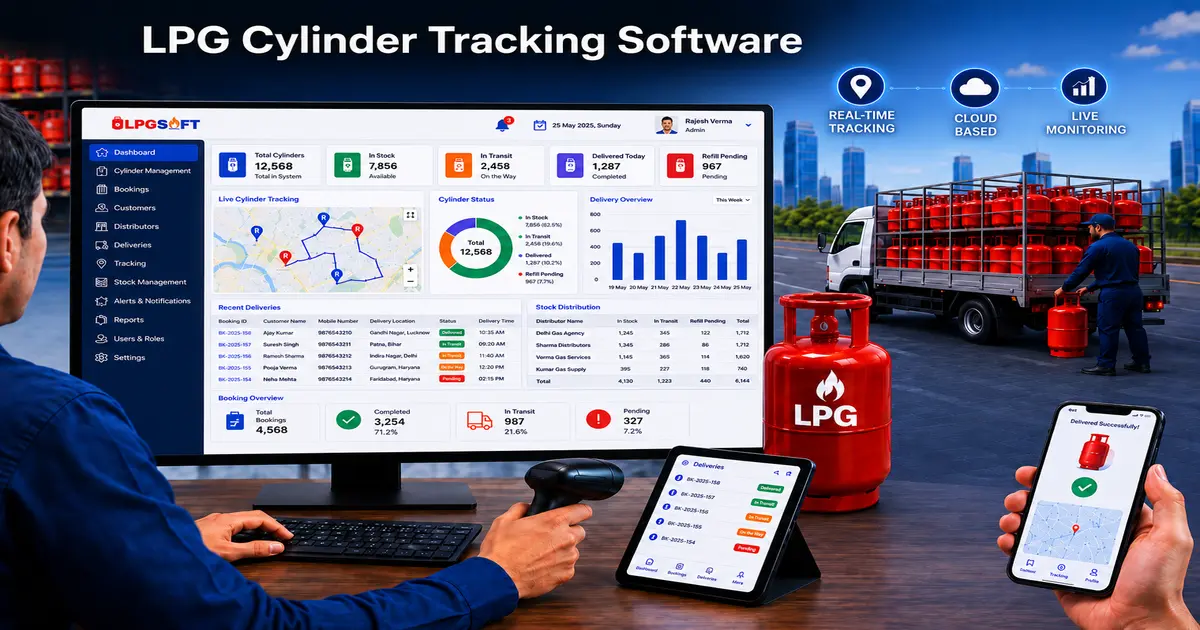
Instead of relying entirely on phone calls or handwritten records, gas agency staff can use software to check delivery assignments, review pending orders, and record completed deliveries. Depending on the software, tracking may also include delivery timestamps, customer notifications, and live GPS vehicle location.
For example, if a customer books an LPG cylinder in the morning, the agency can record the order, assign it to a delivery person, and update its status as the delivery progresses. Office staff can then check the latest recorded status without repeatedly calling the delivery team.
This improves visibility across the delivery process and helps agencies coordinate their daily work more effectively.
Why Do LPG Gas Agencies Face Delivery Management Problems?
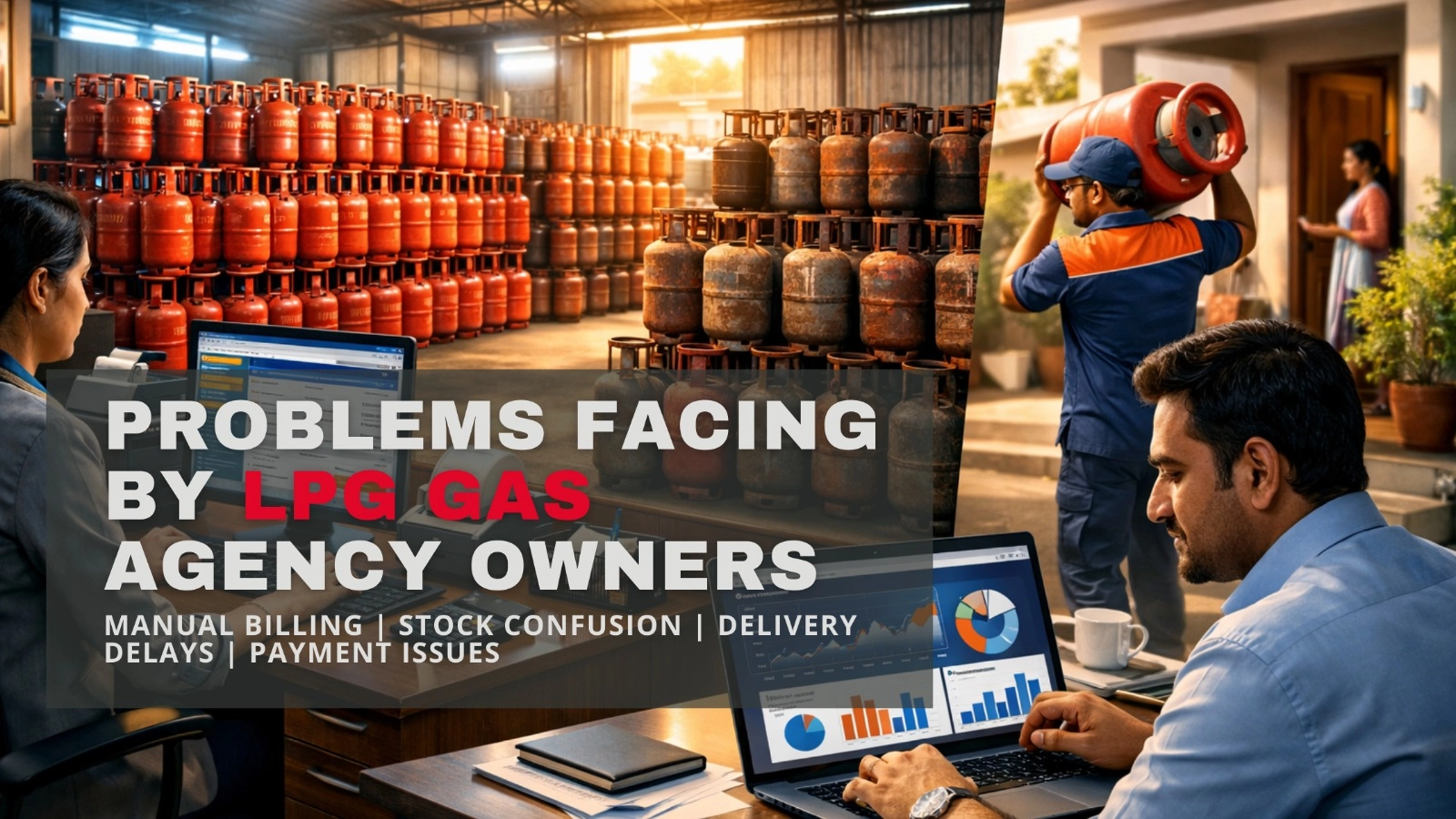
Many gas agencies handle multiple customer bookings and deliveries every day. Without a well-organized tracking process, even routine activities can become difficult to manage.
Some common challenges include:
- Delayed deliveries : Staff may struggle to identify which orders are still pending.
- Poor communication : Office employees may need to contact delivery personnel repeatedly for updates.
- Customer complaints : Customers may call the agency several times when they do not know the status of their bookings.
- Cylinder record mismatches : Dispatched, delivered, and returned cylinders may not be recorded consistently.
- Difficulty coordinating staff : Assigning orders and organizing delivery routes can take additional time.
- Manual reporting : Employees may need to collect information from different registers and spreadsheets to prepare daily reports.
These problems can affect productivity, customer satisfaction, and the accuracy of operational records. A digital delivery tracking system helps agencies organize these activities in a more consistent way.
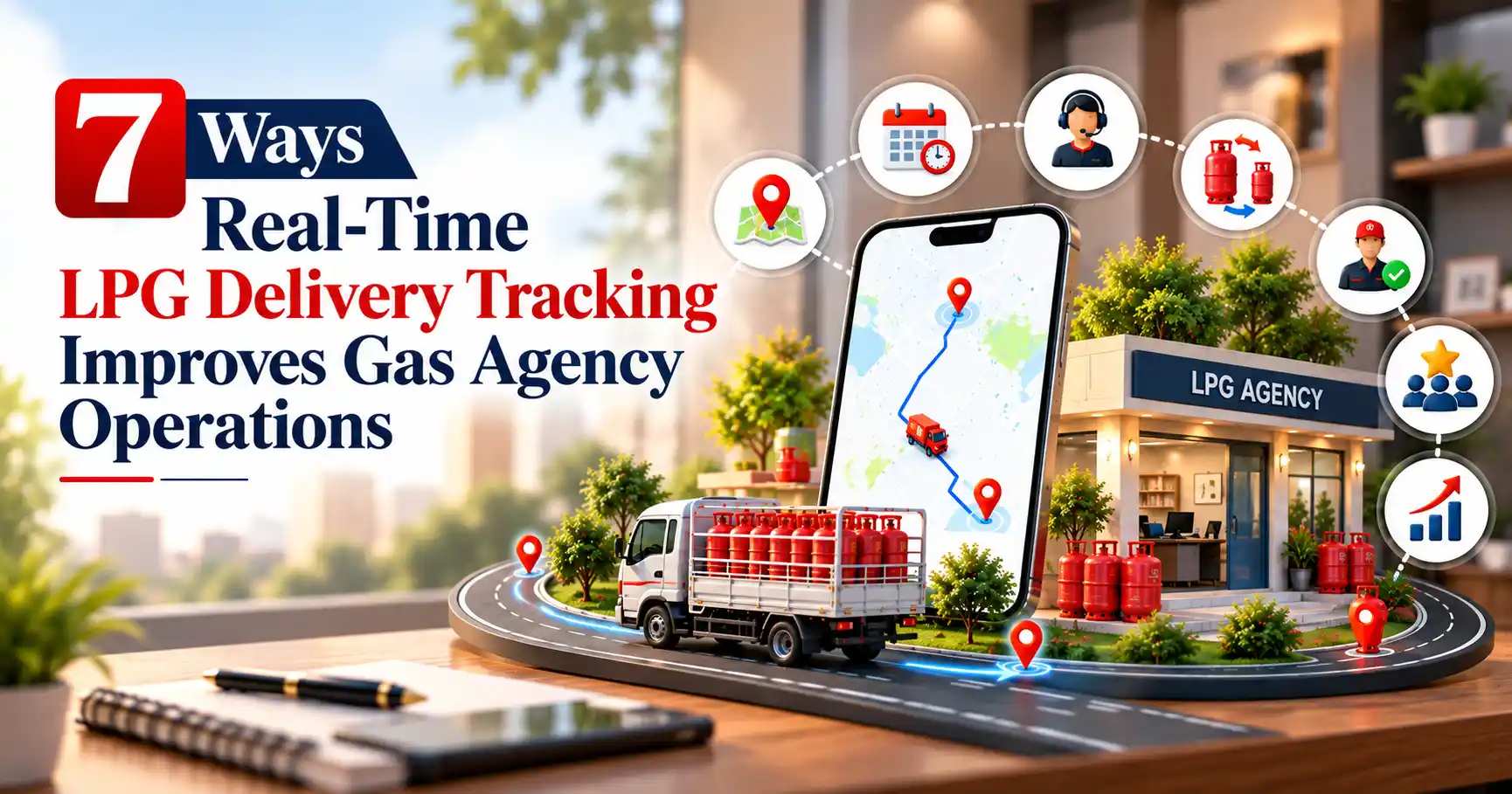
7 Ways Real-Time LPG Delivery Tracking Improves Gas Agency Operations
1. Provides Better Visibility into Delivery Status
Knowing which deliveries are pending, in progress, or completed helps agency staff make better decisions throughout the day.
With a suitable LPG delivery tracking system, employees can review recorded delivery statuses and identify orders that need attention. This reduces dependence on repeated phone calls and makes it easier to follow up on delayed deliveries.
For example, if several orders remain pending beyond their expected delivery time, the agency can identify them and contact the concerned delivery personnel.
The benefit: Better visibility helps gas agencies respond to delivery issues sooner and organize daily operations more effectively.
2. Improves Delivery Planning and Staff Coordination
Assigning the right orders to the right delivery personnel is an important part of running a gas agency.
When assignments are handled manually, employees may spend considerable time checking customer addresses, communicating with drivers, and adjusting delivery schedules.
Digital delivery management helps agencies organize delivery assignments and review the orders allocated to each staff member. Where route-planning features
are available, agencies can also group deliveries by location and plan more efficient delivery schedules.
This can reduce unnecessary coordination, improve staff utilization, and help delivery teams complete their assigned work in a more organized manner.
The benefit:Better planning helps agencies use their available staff and delivery resources more effectively.
3. Reduces Repeated Customer Enquiries
Customers often contact gas agencies to ask whether their cylinders have been dispatched or when their deliveries will arrive.
When employees do not have access to updated delivery information, they may need to call delivery personnel before answering these questions. This can interrupt other office activities and increase the workload.
A digital tracking process gives staff a more organized way to check available delivery information and respond to customer enquiries. If the software supports customer notifications, agencies may also be able to send updates through supported communication channels.
For example, an employee can check the latest recorded order status before responding to a customer instead of starting a separate enquiry with the delivery team.
The benefit: Better communication can save staff time and provide customers with clearer delivery information.
4. Improves Cylinder Dispatch and Return Records
Tracking deliveries is not only about knowing where an order stand. It is also about maintaining accurate records of cylinder movement.
Gas agencies need to account for cylinders dispatched for delivery, cylinders successfully delivered, and cylinders returned to the agency. When these records are maintained inconsistently, identifying differences can become difficult.
A digital delivery management process can help employees record dispatch quantities, delivery completion, and cylinder returns. These records can then be compared with LPG cylinder tracking and inventory management records to identify discrepancies that require investigation.
For instance, if the number of cylinders recorded as dispatched does not match the delivery and return records, staff can investigate the difference instead of relying on memory.
The benefit: Consistent records support better cylinder accountability and inventory reconciliation.
5. Strengthens Delivery Staff Accountability
Delivery managers need to know whether assigned orders have been completed and which deliveries require follow-up.
Without clear records, reviewing staff performance can become difficult. Supervisors may have to depend on verbal updates or manually compare delivery registers.
A suitable LPG delivery management system can maintain delivery assignments, recorded status updates, completion details, and timestamps where supported. These records help managers review outstanding orders and understand where follow-up is needed.
They can also identify recurring delays and discuss practical improvements with the concerned staff.
The benefit:Clear delivery records make it easier to review work progress and improve operational accountability.
6. Helps Improve Customer Satisfaction
Timely deliveries and clear communication are important for maintaining customer trust.
When customers do not receive clear information about their orders, they may become frustrated and contact the agency repeatedly. Delivery delays can create further dissatisfaction when staff cannot provide an accurate update.
Delivery tracking helps agencies maintain better visibility into order progress. Combined with timely staff updates and effective customer communication, it can make the delivery experience more predictable.
Although tracking cannot prevent every delay, it helps the agency identify pending orders and communicate more effectively when problems occur.
The benefit:Better coordination and communication can help build stronger customer relationships.
7. Supports Better Daily Reporting and Decision-Making
Gas agency owners need accurate information to understand how their daily delivery operations are performing.
Without organized records, preparing reports may require collecting information from multiple employees, registers, or spreadsheets.
Digital delivery records can make it easier to review completed deliveries, pending orders, delivery delays, and cylinder movements, depending on the available reporting features.
By reviewing this information regularly, agency owners can identify recurring operational problems, plan staff requirements, and improve their delivery processes.
The benefit: Reliable delivery records help owners make decisions based on recorded operational information rather than assumptions.
How Does LPG Delivery Tracking Work?
A typical digital LPG delivery process follows a series of steps. The exact workflow depends on the software used by the agency.
Step 1: Record customer bookings
The agency records customer orders and the required cylinder details.
Step 2: Check cylinder availability
Staff review available stock before preparing orders for dispatch.
Step 3: Assign delivery personnel
Orders are allocated to delivery staff according to the agency's delivery process and service areas.
Step 4: Update delivery status
The agency records the progress of assigned orders, including dispatch and pending or completed status.
Step 5: Confirm delivery and record returns
Completed deliveries and applicable cylinder returns are recorded to maintain accurate operational information.
Step 6: Review daily reports
The agency checks outstanding orders, delivery records, and stock discrepancies that require follow-up.
When these steps are connected through a digital system, staff can maintain more consistent records and coordinate activities with less manual effort.
It is important to distinguish delivery-status tracking from live GPS tracking. A system may provide order updates without showing a vehicle's exact location. Agencies that require live vehicle tracking should confirm that GPS functionality is available in the selected software.
Manual LPG Delivery Tracking vs. Digital Delivery Management
Many agencies begin with registers, spreadsheets, and phone calls. These methods may work for a small number of orders, but they can become harder to maintain as daily operations grow.
| Operational Activity | Manual Process | Digital Process |
|---|---|---|
| Checking delivery status | Phone calls and register checks | Review recorded order updates |
| Assigning delivery orders | Manual communication | Organized digital assignments |
| Identifying pending orders | Check individual records | Review available order statuses |
| Recording cylinder returns | Handwritten entries | Digital return records |
| Reviewing daily deliveries | Compile information manually | Use available delivery reports |
| Responding to customer enquiries | Contact delivery staff for updates | Check recorded delivery information |
Digital systems do not eliminate every operational problem automatically. Their effectiveness depends on accurate data entry, timely status updates, staff adoption, and the features provided by the software.
However, a consistent digital process can make daily delivery management easier to monitor and maintain.
What Should You Look for in LPG Delivery Tracking Software?
Before choosing LPG delivery management software, gas agency owners should consider whether it supports their daily operational requirements.
Important features to evaluate include:
- Order tracking: The ability to review customer bookings and delivery status.
- Delivery staff assignment: Options for assigning orders to delivery personnel.
- Route planning: Tools for organizing deliveries by route or service area, where available.
- Cylinder inventory management: Records of available, dispatched, delivered, and returned cylinders.
- Customer communication: Supported notifications and updates about bookings and deliveries.
- Delivery reporting: Reports that help review pending orders and completed deliveries.
- Billing integration: Connections between customer orders, billing records, and delivery operations where supported.
Choosing software that connects these activities can reduce information gaps between the office, delivery team, and inventory records.
How LPGSoft Helps Gas Agencies Improve Daily Operations
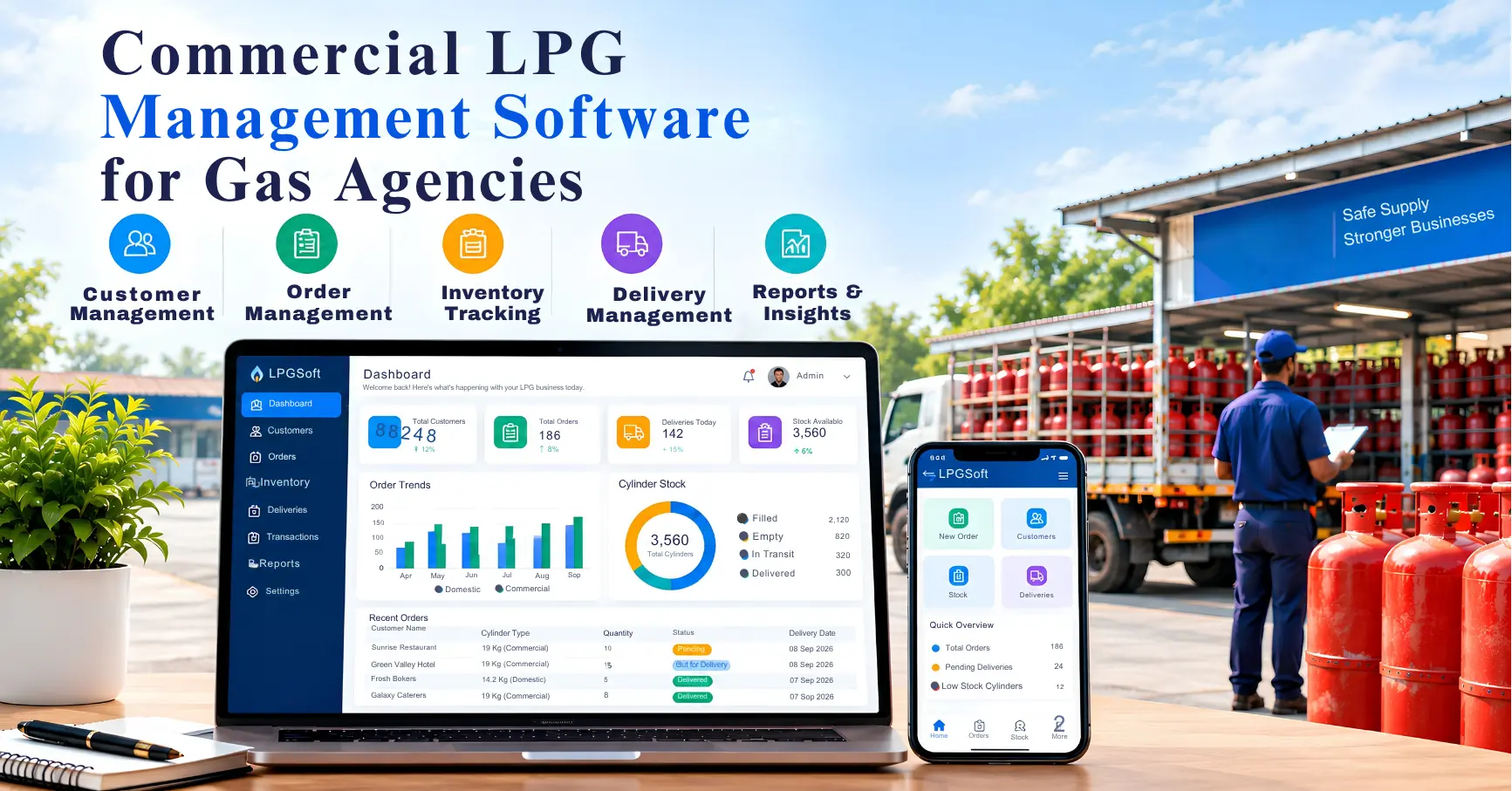
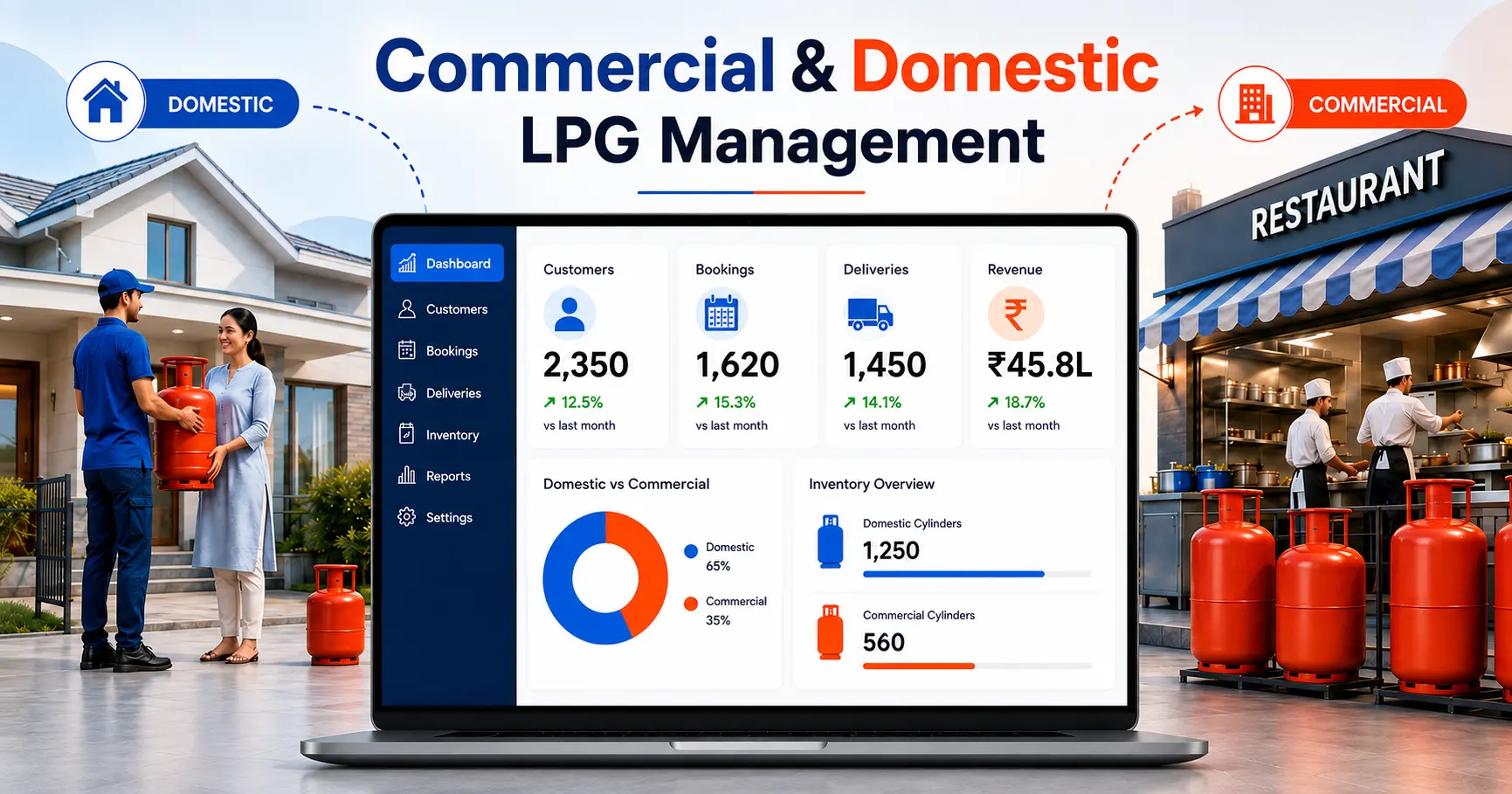
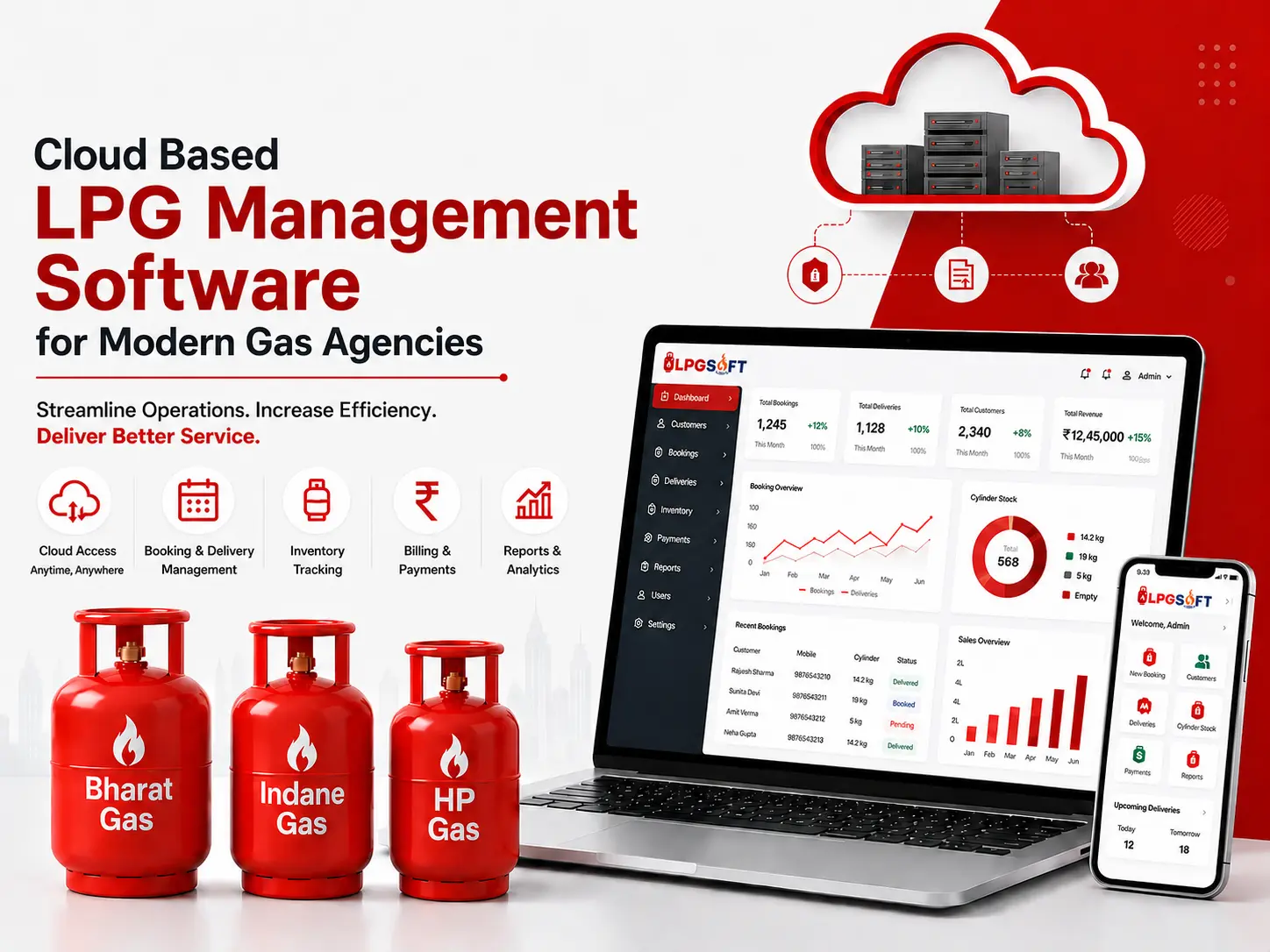
Simplify LPG delivery coordination, track pending orders, maintain cylinder records, and improve daily operational visibility with LPGSoft. Bring your delivery management, inventory, and reporting activities into a more organized workflow.
Ready to improve your gas agency operations? Book a free demo today!
Final Thoughts
Real-time LPG delivery tracking helps gas agencies improve delivery visibility, staff coordination, customer communication, and cylinder record accuracy. With suitable LPG management software, agencies can reduce manual follow-ups and build more efficient daily operations.
FAQ’S
Real-time LPG delivery tracking involves monitoring the progress of gas cylinder deliveries through digital systems. It helps agencies review order status, identify pending deliveries, and coordinate delivery staff. Depending on the software, it may also support live GPS tracking, delivery timestamps, and customer notifications.
LPG delivery tracking software helps agencies organize delivery assignments, review order progress, maintain delivery records, and identify pending orders. It can also reduce repeated staff follow-ups and support better coordination between office employees and delivery personnel.
Yes, software with delivery-status tracking features can record pending and completed deliveries. The available status options depend on the system. Agencies should ensure that staff update delivery information consistently so that the recorded status accurately reflects operational progress.
Delivery tracking helps staff check the latest recorded order status before responding to customer enquiries. This can reduce uncertainty, avoid repeated internal follow-ups, and support clearer communication. However, tracking alone does not guarantee on-time deliveries or eliminate customer complaints.
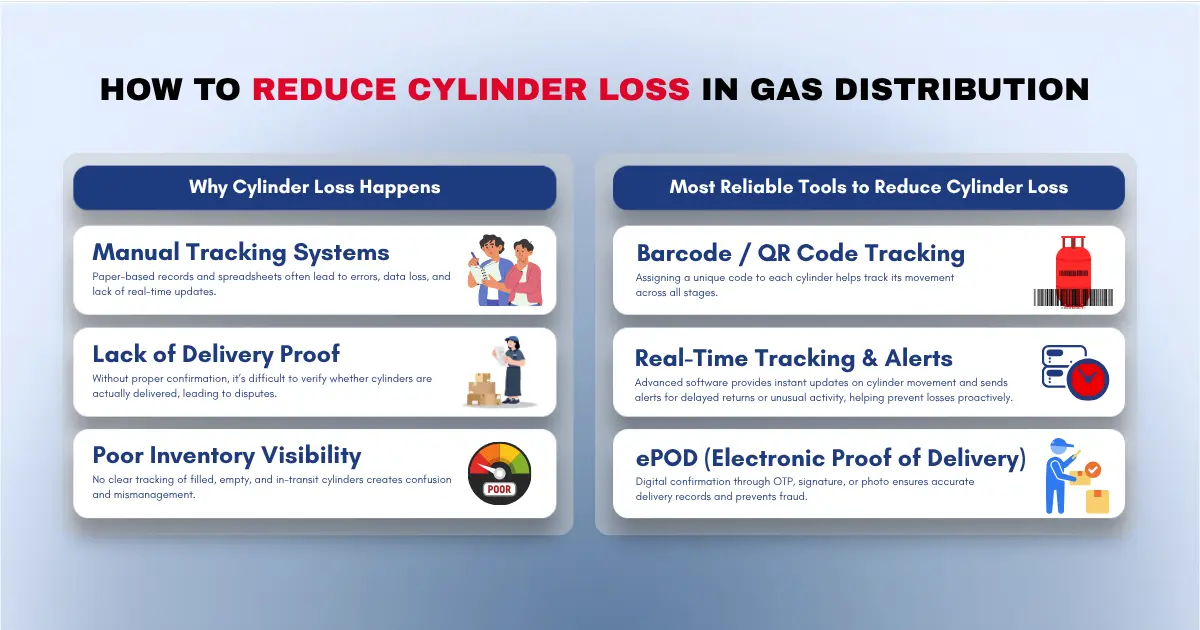
It can, when delivery tracking is connected with inventory management. Agencies can compare cylinder dispatches, completed deliveries, and recorded returns to identify discrepancies. Accurate records and timely updates remain essential for maintaining reliable stock information.
LPG delivery tracking monitors the progress and status of customer orders. GPS tracking monitors a vehicle's location using location data. Some software provides both capabilities, while other systems only record delivery statuses. Gas agencies should check the available features before choosing a solution.