
LPG Soft
04th Sep 2026
LPG Supply Disruptions & Panic Buying: How Gas Agencies Can Manage Customer Demand Spikes
When LPG supply chains face disruption due to geopolitical events, import delays, or regional shortages customer panic buying can overwhelm gas agencies within hours. Agencies that use digital booking, priority-based delivery, and automated customer communication recover faster and retain customer trust, while agencies relying on manual processes see longer delays, higher complaint volumes, and lost bookings.
Why LPG Supply Disruptions Trigger Panic Buying
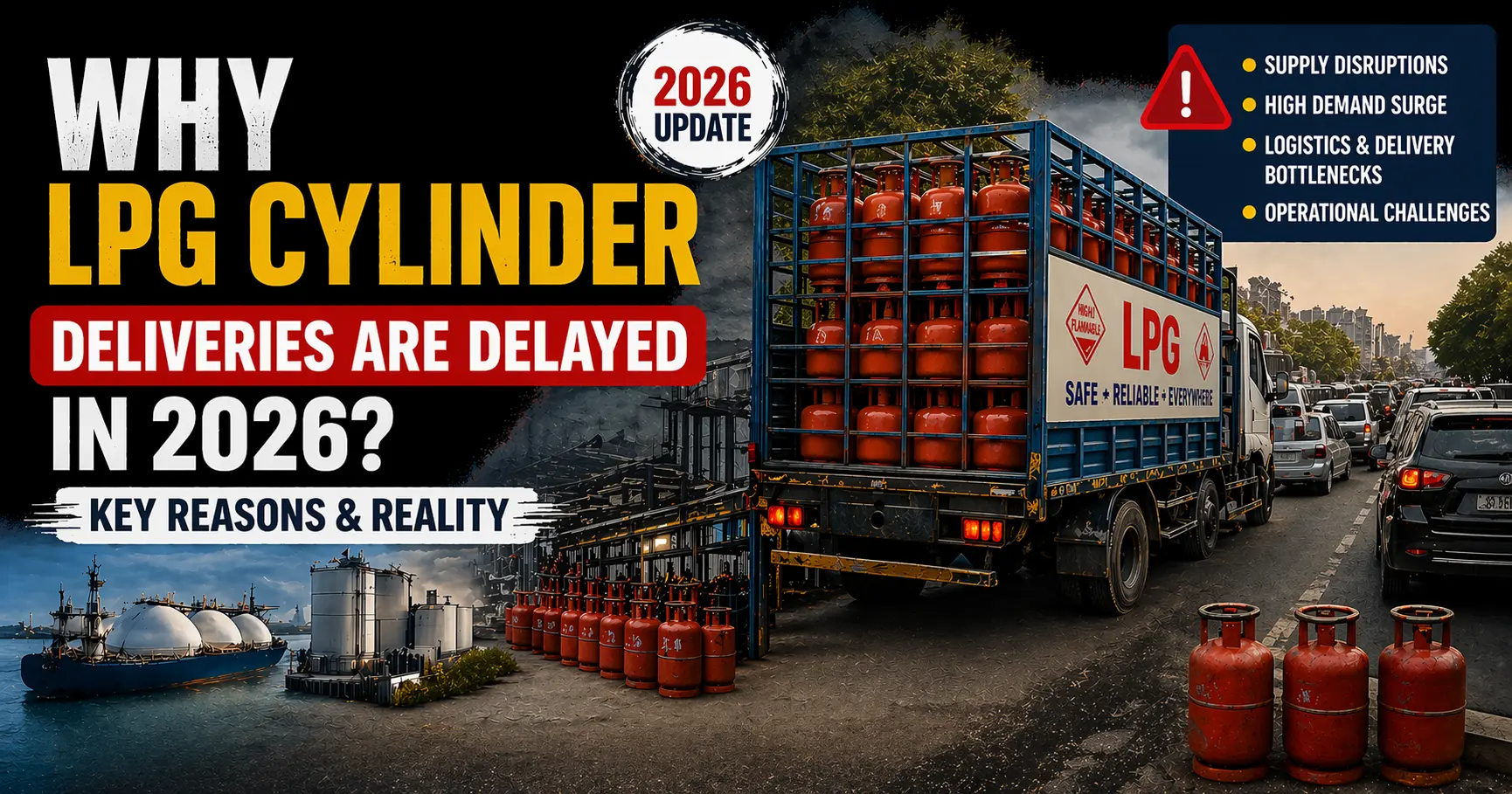
India imports a significant share of its LPG requirement, and a large portion moves through routes affected by regional geopolitical tensions. When supply news breaks even temporarily customers react faster than agencies can communicate accurate information. Rumors spread on social media, bookings spike unnaturally, and genuine priority customers (hospitals, restaurants, large households) get pushed behind hoarding-driven bulk bookings.
For a gas agency, this creates a short but intense operational stress test: Can your systems absorb 3x normal booking volume without breaking delivery commitments?
The Real Cost of Managing This Manually
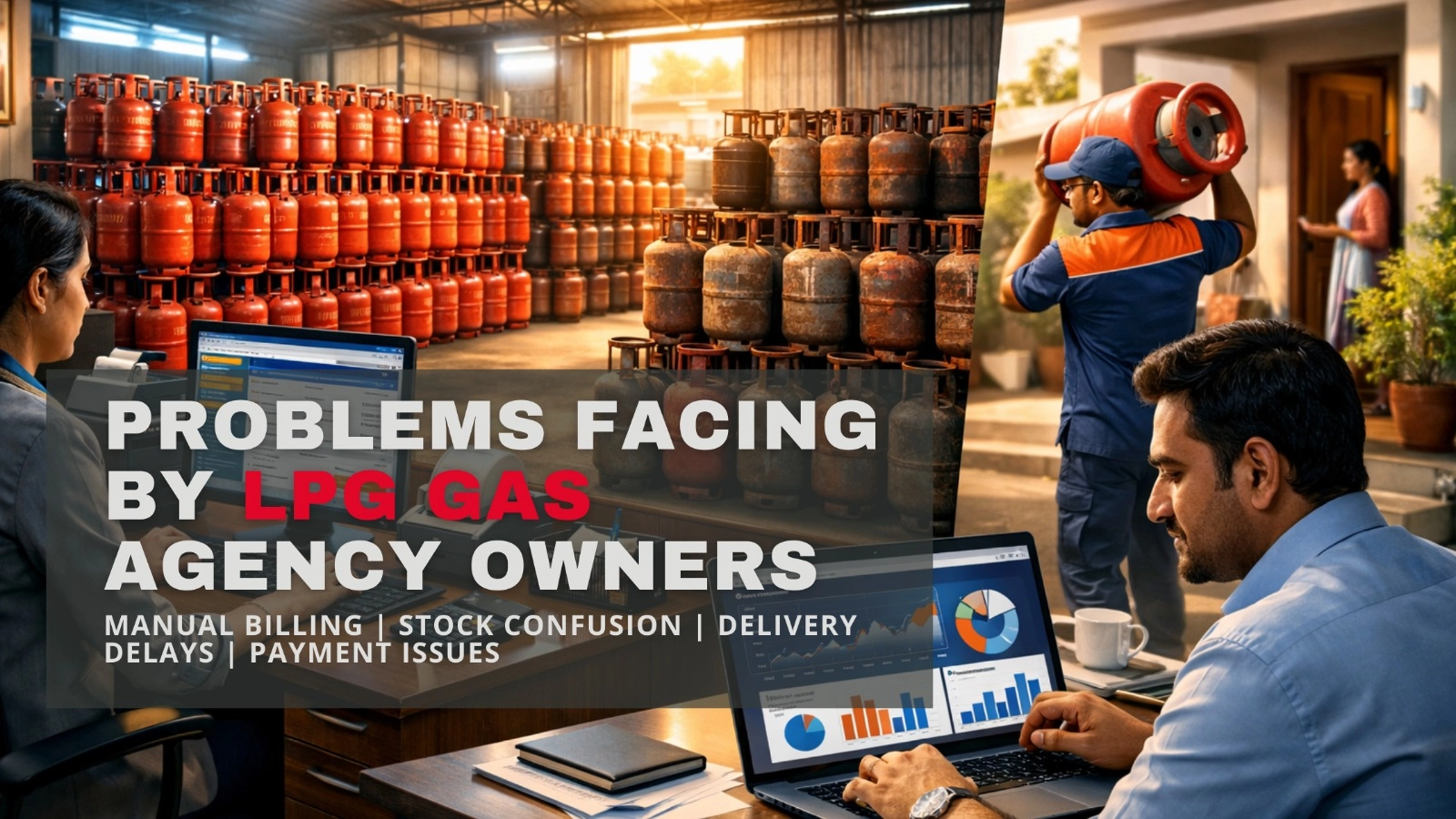
Agencies still running on registers, phone calls, and WhatsApp broadcast groups face compounding problems during a demand spike — double bookings, no visibility into who is genuinely due for a refill versus who is panic-booking early, and delivery staff working without a prioritized route.
Manual Process vs LPGSoft-Managed Process During a Demand Spike
| Metric | Manual Process | LPGSoft-Managed Process |
|---|---|---|
| Average booking-to-confirmation time | 2–4 hours (phone/register-based) | Under 5 minutes (auto-confirmed) |
| Duplicate/fraudulent booking detection | Manual cross-check, error-prone | Automatic flagging via booking history |
| Delivery prioritization | Staff judgment, first-come-first-served | Rule-based priority (overdue customers, commercial essentials first) |
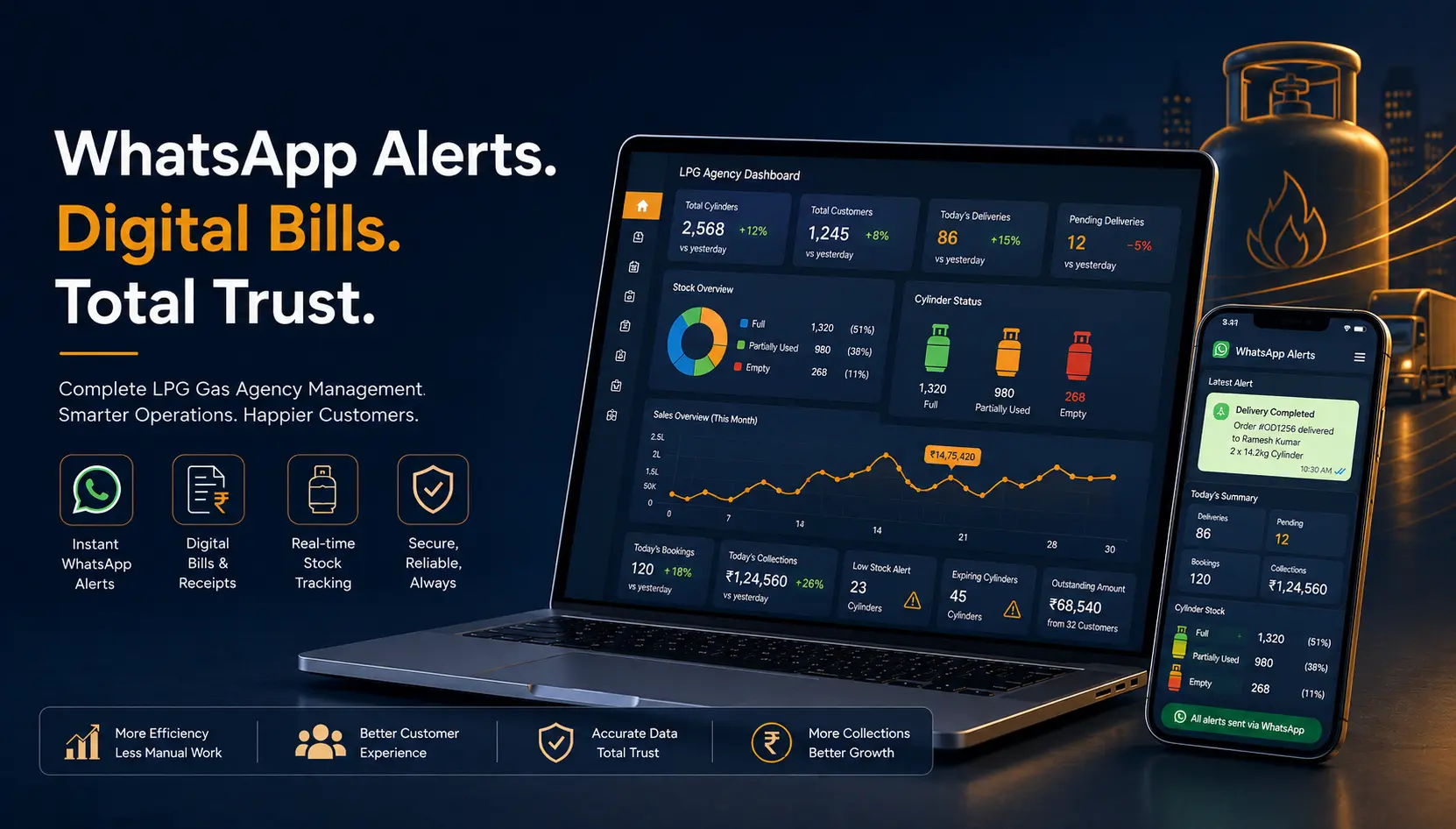
| Customer status updates | Ad-hoc calls, inconsistent | Automated WhatsApp notifications at each stage |
| Staff hours needed during a spike | High (extra staff for calls/registers) | Same team, higher throughput |
| Visibility into pending vs fulfilled orders | Limited, paper-based | Real-time dashboard |
The gap widens exactly when it matters most during the first 48–72 hours of a supply scare, when call volumes and walk-ins are highest.
What Changes for the Customer
Customers don't distinguish between "the supply chain is disrupted" and "my agency is disorganized." Both feel the same to them a cylinder that doesn't arrive on time. The agencies that communicate clearly and deliver predictably during a disruption are the ones customers stay loyal to afterward.
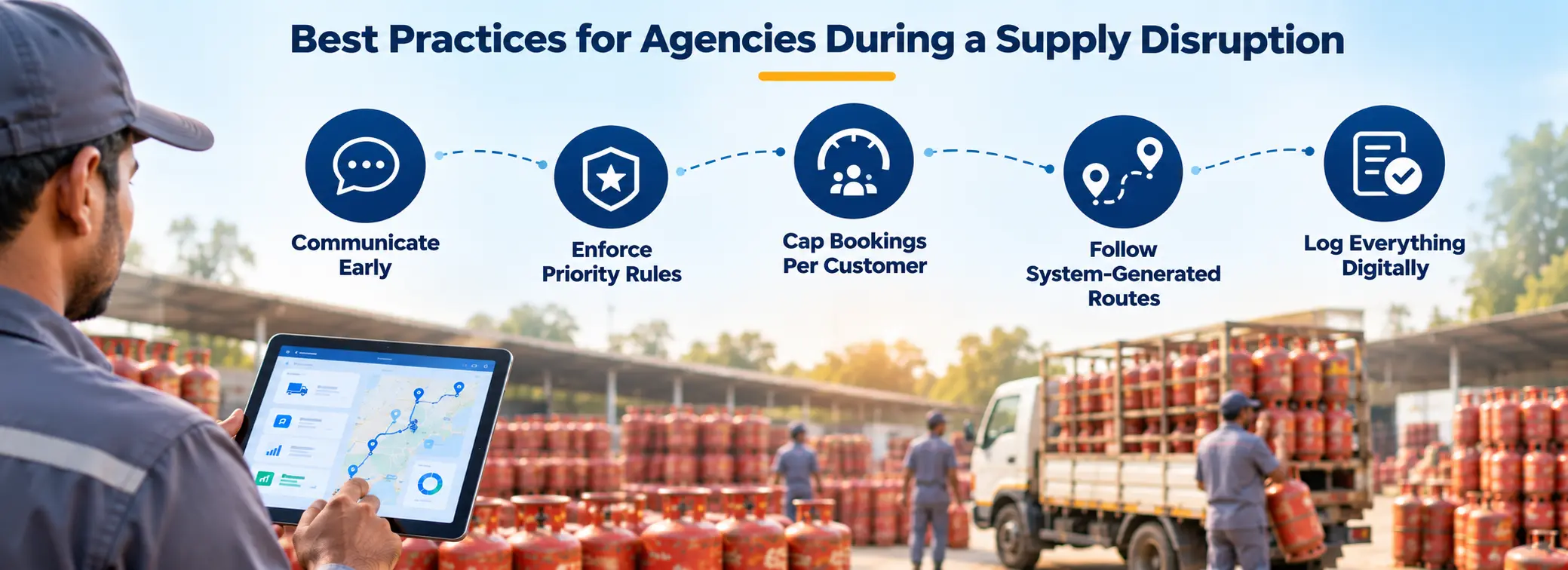
Best Practices for Agencies During a Supply Disruption
1. Communicate early and factually - send a WhatsApp update the moment supply news breaks, before rumours fill the gap.
2. Turn on priority rules - ensure overdue domestic customers and commercial essentials (hospitals, hotels) are served before speculative bulk bookings.
3. Cap bookings per customer window - a simple digital rule prevents one customer from booking multiple cylinders under different requests.
4. Keep delivery staff on a system-generated route - not a manually re-ordered list, to avoid bias and confusion.
5. Log everything digitally - in case of an audit or a hoarding complaint, digital records protect the agency as much as they protect the customer.
The Payoff: Customer Trust After the Disruption Ends
Every supply scare eventually passes but how an agency performed during it stays in customers' memory. Agencies that stayed organized keep their customer base; agencies that struggled visibly often see customers quietly shift to a competitor once normal supply resumes.
Customer Experience Normal Period vs Panic-Buying Period
| Metric | Normal Period | Panic-Buying Period (Without Digital Tools) | Panic-Buying Period (With LPGSoft) |
|---|---|---|---|
| Booking volume vs baseline | 1x (steady) | 2.5x–3x (spike) | 2.5x–3x (spike, but absorbed) |
| Average delivery delay | Same-day to 24 hrs | 3–5 days | 24–48 hrs |
| Customer complaint rate | Low | High (no visibility, repeated calls) | Low–moderate (status updates reduce calls) |
| Repeat bulk-booking (hoarding) attempts | Rare | Frequent, hard to detect | Flagged and restricted automatically |
| Customer retention post-disruption | Stable | Drops (customers switch agencies) | Stable to improved (trust reinforced) |
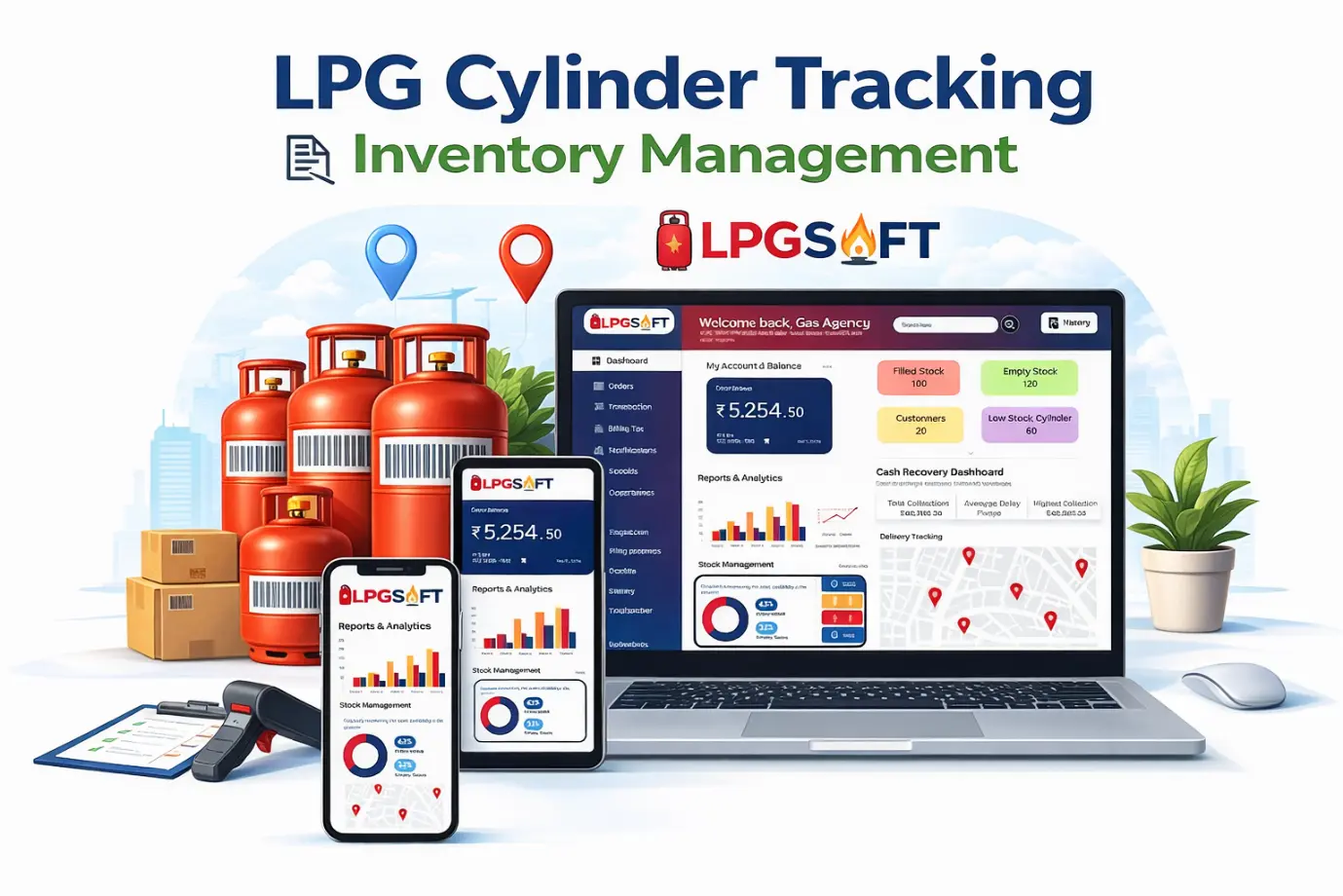
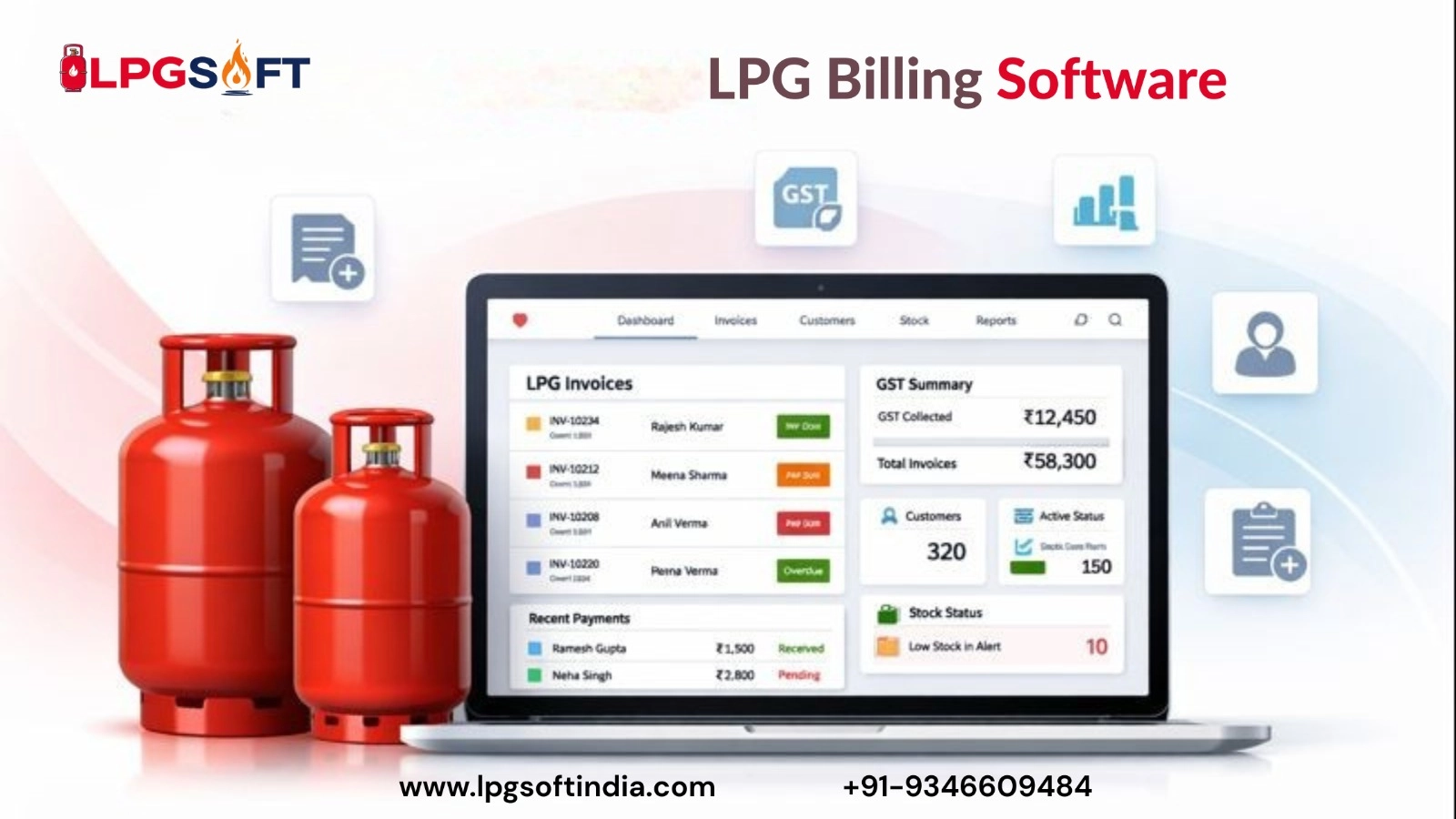
Ready to keep your agency running smoothly during the next supply spike? See how LPGSoft booking, priority-delivery, and notification tools work together
FAQ’S
With a digital system already in place, agencies can push a customer-wide notification within minutes. Agencies relying on manual calling typically take a full day or more to reach even their regular customer base.
No priority rules are based on objective factors like days since last refill and customer category (commercial essential vs domestic), not manual discretion, which keeps the process transparent and defensible.
Yes. Timestamped booking and delivery logs give agencies a clear, verifiable trail to demonstrate fair distribution if questioned by authorities.
No, the same tools apply to any localized disruption: a delayed tanker, a festival-season spike, or a temporary refinery slowdown. Building the process once means it's ready for every future spike.