
LPG Soft
25 April 2026
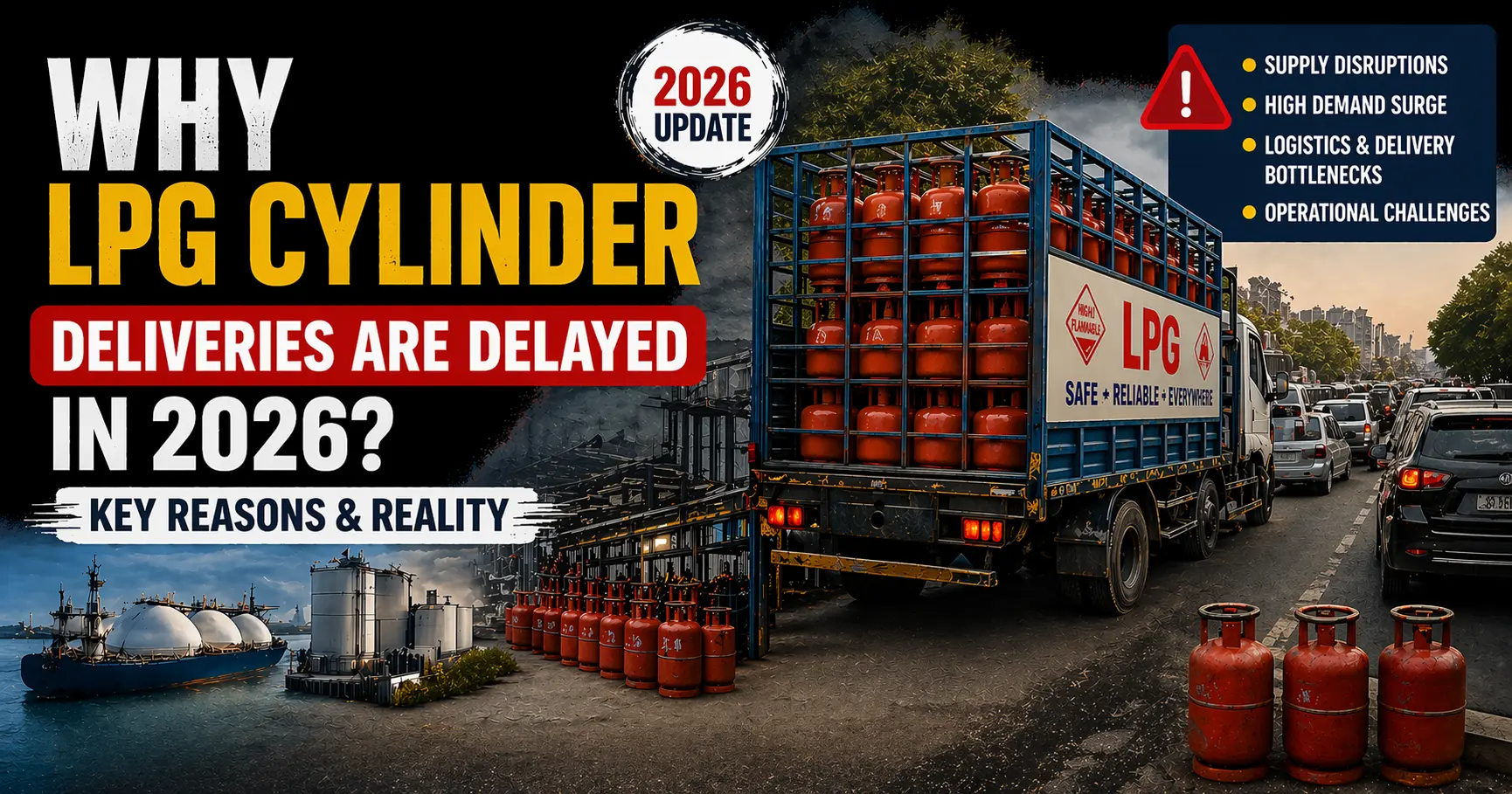
Why LPG Cylinder Deliveries Are Delayed in 2026? Key Reasons & Reality
New Delhi | April 2026
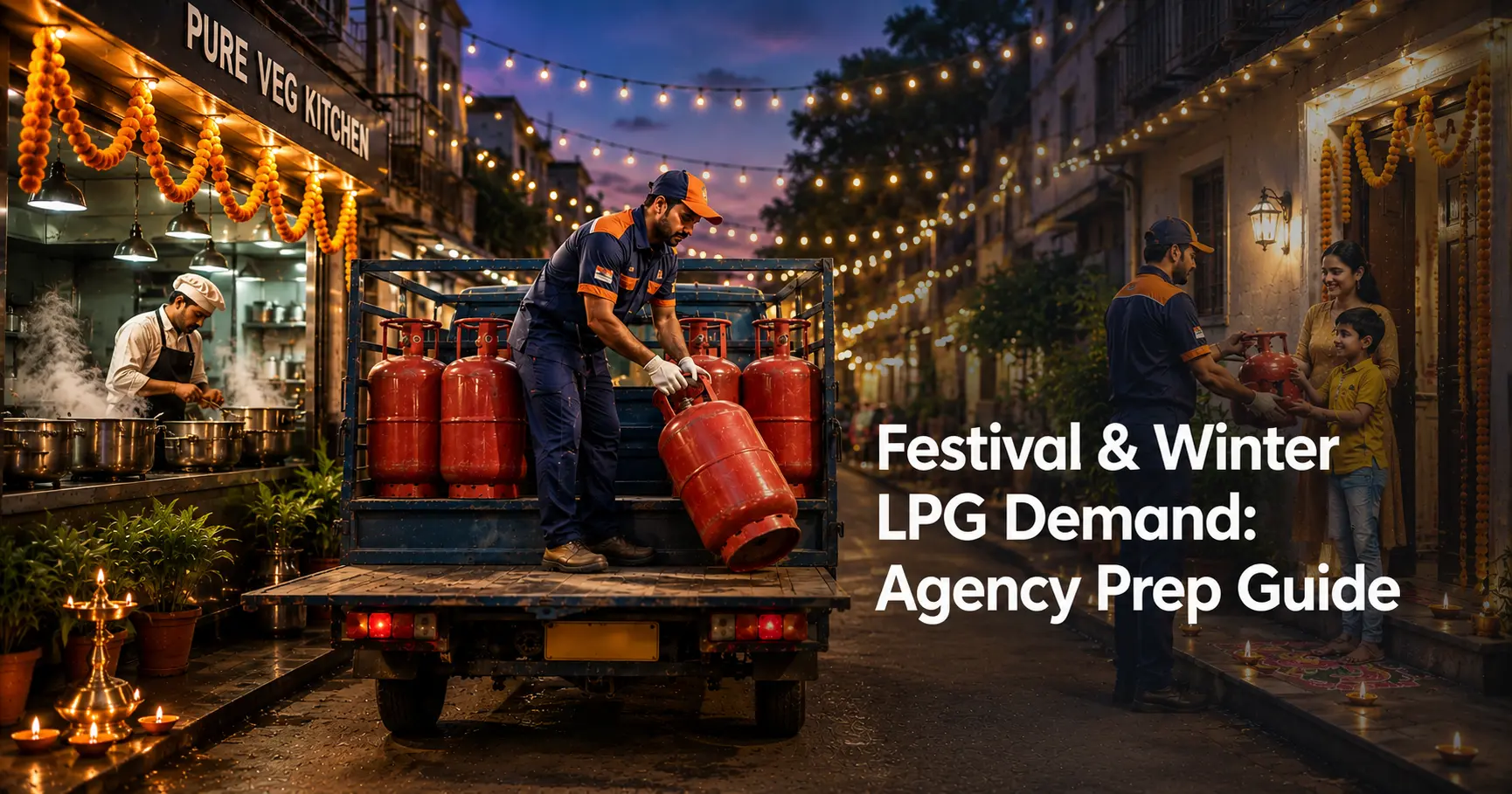
Across multiple cities and towns in India, LPG cylinder delivery delays continue to be reported in 2026, raising concerns among households and distributors alike. What was once a routine service with predictable timelines has, in recent years, become increasingly inconsistent.
While the situation has improved compared to earlier disruption phases, delivery timelines in many regions still extend beyond expected durations. This shift has drawn attention to deeper structural issues within the LPG distribution ecosystem.
This article presents a ground-level investigation into why LPG deliveries are getting delayed, how the problem developed over time, what triggered the 2026 disruption, and whether the situation has truly been resolved.
Understanding the LPG Delivery System: Where It All Begins
Before analyzing delays, it is important to understand how LPG reaches a consumer.
The distribution chain typically follows this structure:
- Import terminals / refineries
- Bottling plants
- Regional distributors
- Local delivery networks
- End consumers
Each stage depends on the efficiency and timing of the previous one. Any delay at an upstream level gradually impacts all downstream processes.
For years, this system functioned smoothly under predictable demand conditions. However, as consumption patterns changed, the system began experiencing pressure at multiple points.
Phase 1: The Silent Build-Up of Pressure (Pre-2026)
Rapid Expansion of LPG Consumption
Over the last decade, LPG usage has grown significantly due to:
- Increased access to domestic gas connections
- Expansion of urban housing
- Adoption in rural households
- Shift away from traditional cooking fuels
This steady rise in consumption created sustained pressure on supply and distribution systems.
However, infrastructure expansion including bottling capacity, logistics networks, and delivery resources did not always keep pace with this growth.
Outcome: The system continued to operate, but with gradually reducing buffer capacity.
Dependence on Imports and External Supply Conditions
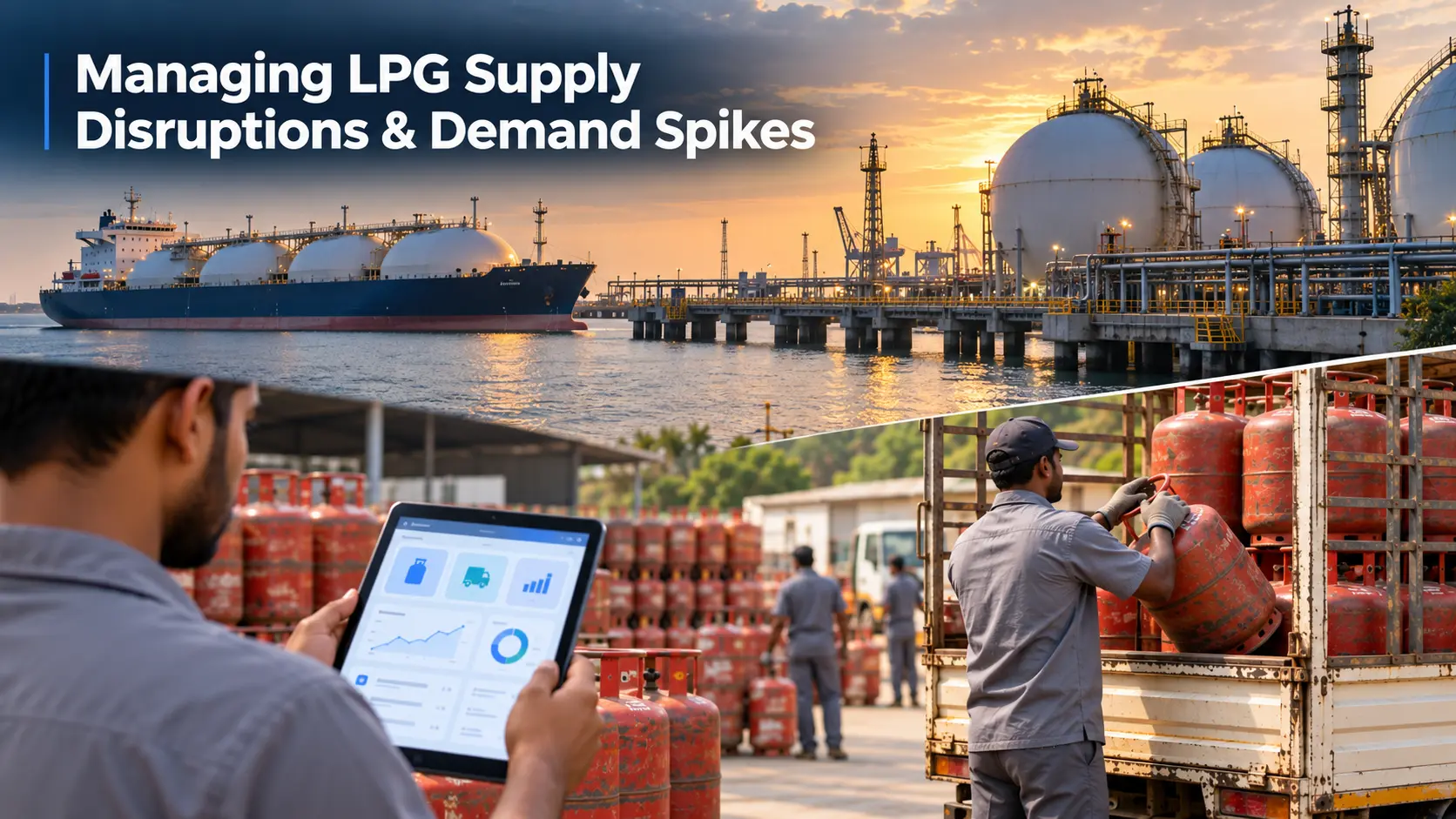
A significant portion of LPG supply is dependent on imports.
This introduces exposure to:
- Global price fluctuations
- Shipping delays
- Geopolitical disruptions
- International supply constraints
When global supply chains face disruptions, domestic availability is directly affected.
Outcome: Supply instability begins at the top of the chain.
Limited Bottling and Processing Capacity
After LPG is sourced, it must be processed and filled into cylinders.
Challenges at this stage include:
- Capacity limits at bottling plants
- Increased processing load during demand peaks
- Maintenance and operational delays
Even if LPG is available in bulk, converting it into deliverable cylinders can take time.
Outcome: A bottleneck forms between supply and distribution.
Phase 2: The 2026 Disruption When Pressure Became Visible
The issues that had been building gradually became more visible in 2026 when several factors converged.
Supply Disruptions and Stock Storages
In multiple regions, LPG agencies reported:
- Delayed or reduced supply
- Irregular stock replenishment
- Shortage of filled cylinders
These disruptions created immediate backlogs in delivery.
Consumers who expected timely delivery began experiencing delays, leading to increased inquiries and complaints.
Sudden Surge in Consumer Demand
The supply issue triggered a behavioural response among consumers.
- Early booking became common
- Some households booked cylinders before actual need
- Repeat bookings increased
This created a surge in demand that was higher than actual consumption.
The system was now dealing with both real demand and panic-driven demand.
Booking System Overload
During peak demand:
- IVRS systems experienced heavy load
- Mobile applications slowed down or failed
- Booking confirmations were delayed
This resulted in:
- Duplicate bookings
- Missed entries
- Confusion in order queues
The digital layer of the system struggled to manage high volume.
Pressure on Distribution and Delivery Networks
At the agency level:
- Daily delivery volumes increased significantly
- Staff were required to handle more orders than usual
- Route planning became more complex
In urban areas:
- Traffic congestion slowed down deliveries
- Time per delivery increased
Even when cylinders were available, delivery timelines extended.
Phase 3: Post-Peak Situation Why Delays Continue
Although the most severe phase of disruption has passed, delivery delays have not disappeared entirely.
Backlog from Earlier Disruptions
One of the major reasons is the backlog effect.
- Orders delayed during peak periods carried forward
- Dispatch schedules were pushed ahead
- Delivery cycles became extended
Even after supply improved, clearing this backlog took time.
Demand Patterns Have Changed Permanently
Consumer behaviour has not fully returned to previous patterns.
- Early booking habits continue
- Higher consumption levels remain
- Increased customer base sustains demand pressure
Demand has stabilized, but at a higher baseline level.
Operational Inefficiencies Still Exist
Several structural challenges remain at the distribution level:
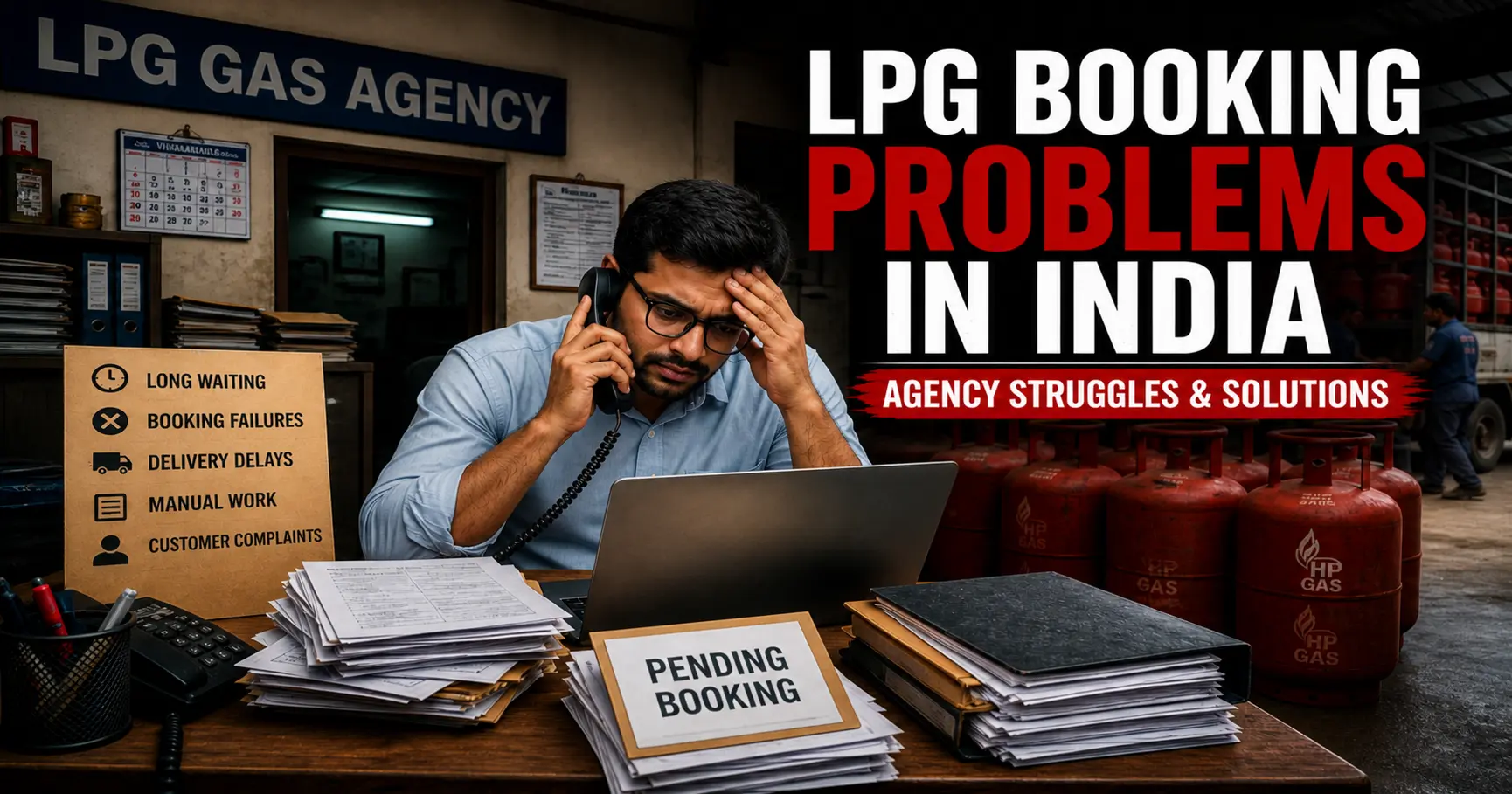
- Limited real-time tracking of deliveries
- Coordination gaps between office and delivery staff
- Lack of visibility into inventory levels
These inefficiencies were less noticeable earlier but became significant under pressure.
Last-Mile Delivery Constraints
The final stage of delivery remains one of the most challenging.
- Physical delivery capacity is limited
- Each delivery requires time and manpower
- Urban congestion further slows operations
Unlike digital systems, delivery capacity cannot be scaled instantly.
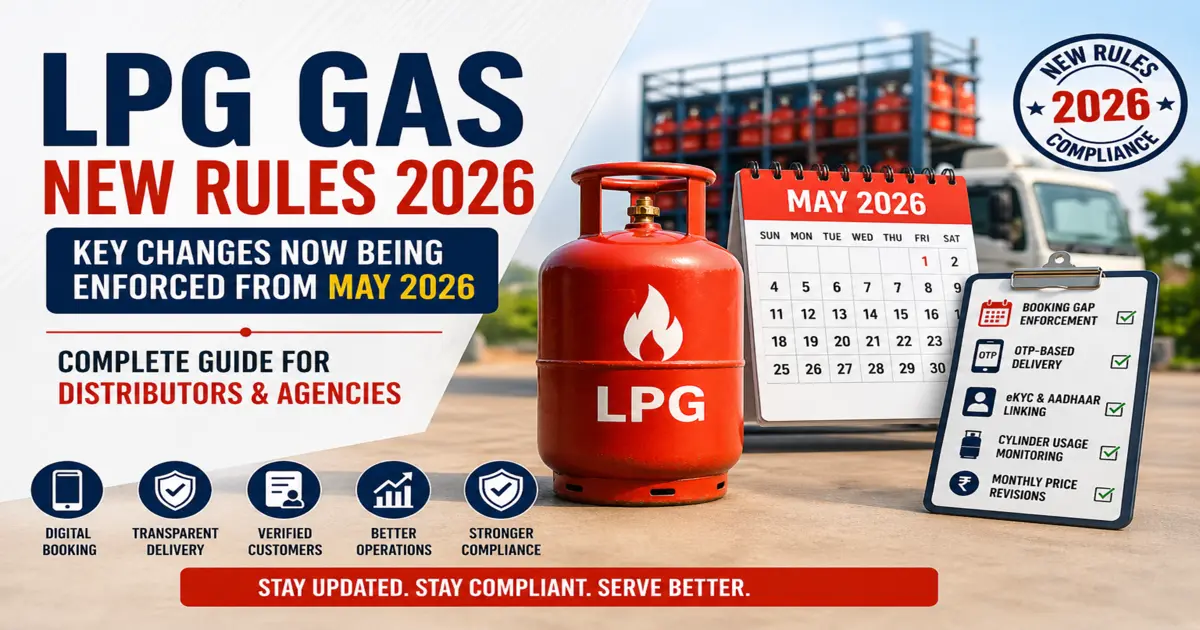
Regulatory and Verification Processes
Compliance requirements also contribute to delays.
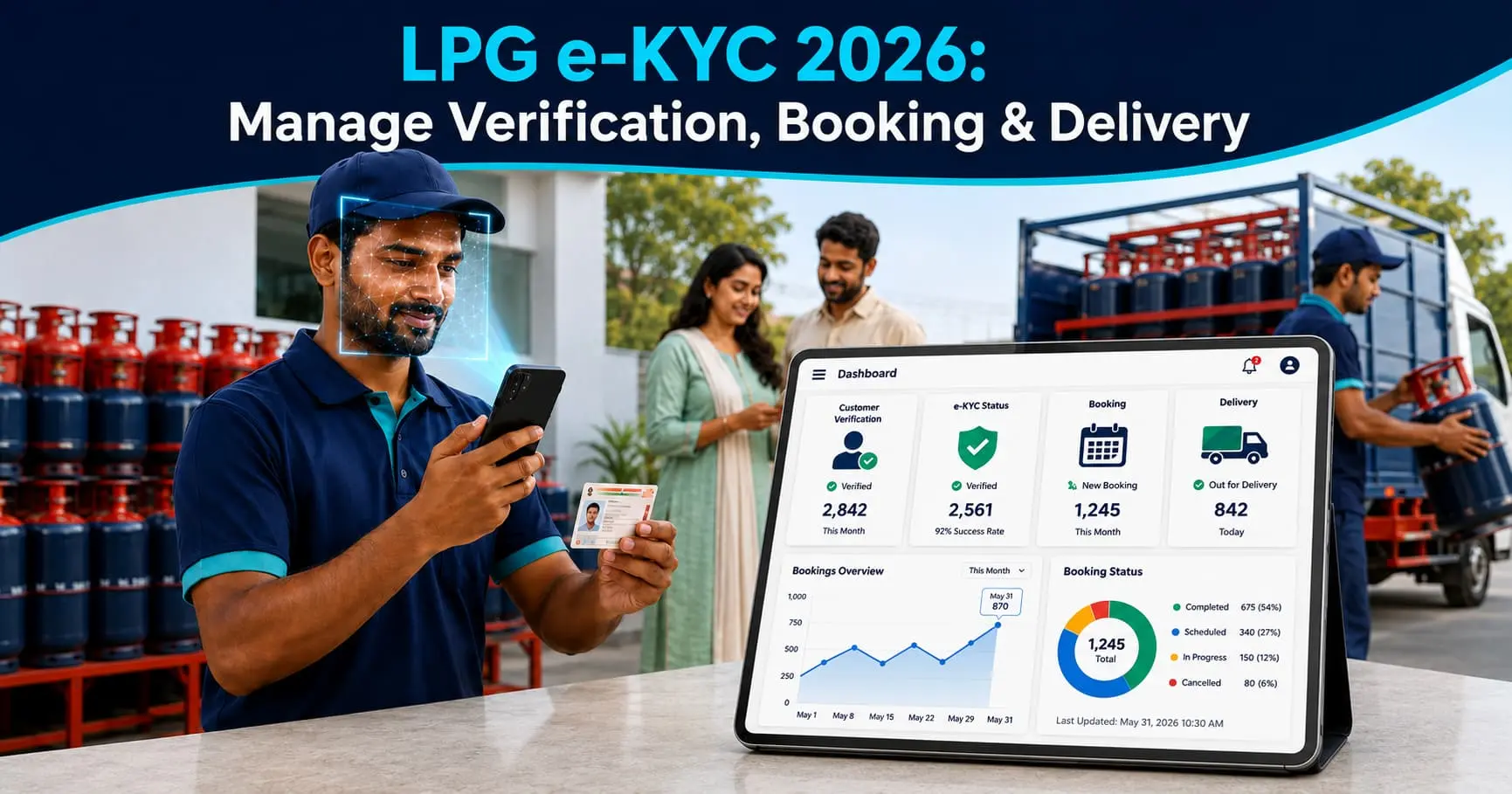
- eKYC verification
- Connection validation
- Documentation checks
While necessary, these steps add processing time before delivery.
Current Scenario in 2026: Stabilized but Not Fully Resolved
Areas of Improvement
- Supply flow has become more consistent
- Extreme shortages have reduced
- Booking systems are more stable than peak periods
In many regions, delivery timelines have improved compared to earlier disruptions.
Ongoing Challenges
However, several issues continue:
- Localized delays still occur
- High-demand areas experience pressure
- Operational inefficiencies remain
Delivery timelines of 2–7 days or longer are still reported in certain regions.
Ground Reality
The LPG distribution system is currently in a recovery phase.
It is:
- Functioning more smoothly than during crisis
- But still adapting to higher demand levels
- Not yet fully optimized
A System-Level Perspective: Why This Is Not a Temporary Issue
LPG delivery delays are not caused by a single factor.
They are the result of multiple interconnected elements:
- Global supply dependencies
- Domestic demand growth
- Infrastructure limitations
- Operational inefficiencies
Each factor contributes to delays at different stages.
The final delay seen by the customer is the combined effect of all these layers.
Conclusion
Here’s your updated conclusion with added lines (naturally integrated):
LPG cylinder delivery delays in 2026 reflect the challenges of managing a large-scale distribution system under evolving demand conditions.
What began as a supply imbalance gradually escalated into a broader operational issue, affecting multiple stages of the distribution chain.
Although improvements have been observed, the problem has not been completely resolved. The system continues to adjust to higher demand levels and structural complexities.
The current situation can best be described as stabilized, but still evolving where delays are less severe than before, but still present in many areas.
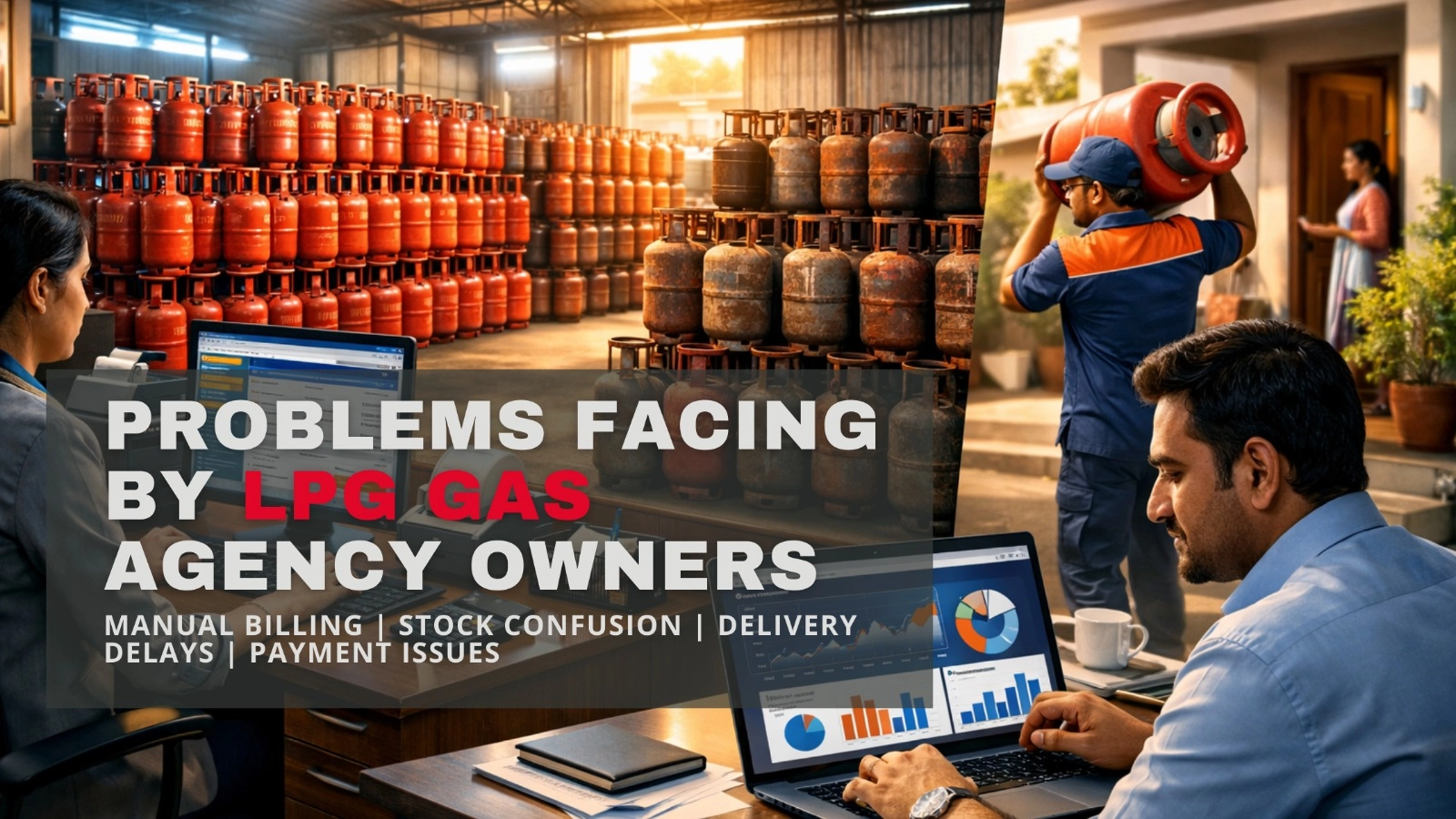
For LPG agency owners, these delays also highlight the growing pressure in managing daily operations, customer expectations, and delivery coordination efficiently. Addressing these challenges requires better operational visibility and streamlined processes to handle increasing demand effectively.